
Warming ocean water a threat to predatory species, Woods Hole study determines
Tuna, billfishes and sharks in the Northwest Atlantic Ocean and Gulf of Mexico could lose 40 to 70 percent of their suitable habitat due to warming ocean water.



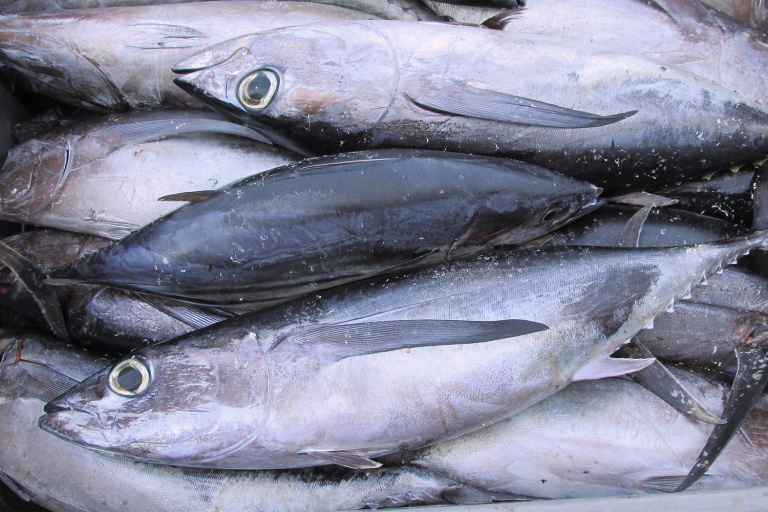
The method developed in this study will promote the development of tuna fishery monitoring and provide a strategy for fish biodiversity research.
Tuna, billfishes and sharks in the Northwest Atlantic Ocean and Gulf of Mexico could lose 40 to 70 percent of their suitable habitat due to warming ocean water.

Fisheries researchers examine all environmental impacts of bottom-trawling and compare the fishing method to other forms of food production.

Global tuna fishing leader Tri Marine is partnering with FlyWire to install electronic monitoring capabilities on its longline vessels.
This study estimated surface concentrations of the copepod Calanus finmarchicus using standardized satellite-derived enhanced RGB imagery.
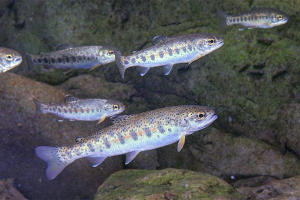
Efforts totaling more than $9 billion have failed to improve stocks of salmon and steelhead in the Columbia River Basin, new research finds.
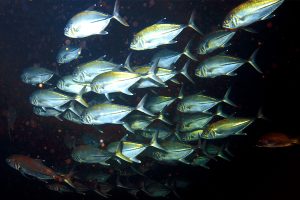
This research supports a future molecular database for fish stock identification, genetic health, understanding population patterns and management.

A new underwater artificial intelligence bot could "revolutionize" ocean monitoring and IUU fishing identification, scientists say.

Ocean warming and increased frequency of marine heatwaves could lead to higher Chinook salmon bycatch rates, scientists say.
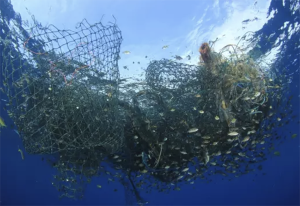
Biodegradable fishing gear must improve to help address the environmental and economic impacts of ghost fishing, a new study concludes.
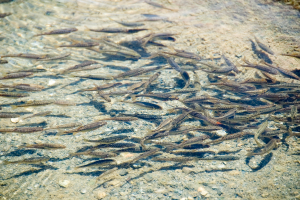
The phenotypically plastic response may preadapt offspring to perform better in the expected future thermal environment.

Peru last week issued a decree to enable fish-harvester cooperatives to legally register for its mahimahi and jumbo flying squid fisheries.
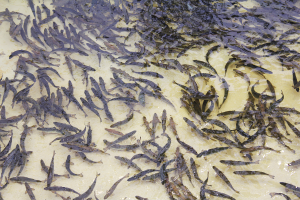
A well-documented ecological regime shift in the Northeast Atlantic did not have a large impact on salmon post-smolts’ diets in Norwegian fjords.
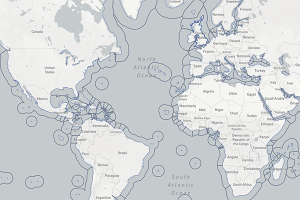
A "one-of-a-kind" interactive map consolidates regulatory information for more than 21,000 marine protected areas worldwide.

A U.S. court rules NOAA must vacate a biological opinion that found Maine's lobster fishery violated the Endangered Species Act.
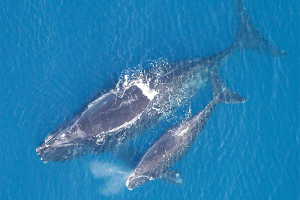
NOAA Fisheries says a recent peer review of its North Atlantic right whale risk assessment tool will lead to management improvements.