
Key fisheries performance declines for sixth year, industry urged to act
The SFP 2023 Reduction Report shows a continued drop in fisheries performance, highlighting the need for improved fisheries management.




IOTC resolution bans the use of fully non-biodegradable drifting fish aggregating devices and takes other fishery management measures.
The SFP 2023 Reduction Report shows a continued drop in fisheries performance, highlighting the need for improved fisheries management.

A new five-step plan explains how fisheries can use population genomics to reveal key details, like fish spawning and migration.
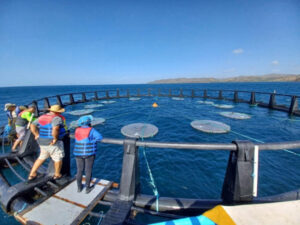
Trials are underway to validate a new fish aggregation device that is biodegradable, floating and submersible.

Once operational, the UK plans to make Remote Electronic Monitoring technology mandatory for all vessels in five priority fisheries.

Thanks to a new multistakeholder framework, researchers are a step closer to better understanding destructive fishing and addressing its impacts.
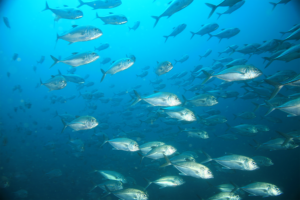
Research provides important population trends for Crevalle jack in Texas waters, informing future fisheries management strategies for the species.

A new net-free, nearly 100 percent biodegradable design for fish aggregating devices could help minimize the impact of commercial tuna fishing.

Identifying reproductive stages of female southern red snapper is an effective way to define the spawning season and support better management.

A new study details the rapid spread of the lionfish invasion in the Mediterranean Sea and its potential ecological impacts.

The Kellogg Dam removal is expected to enhance critical spawning habitats and reduce environmental hazards for threatened fish species.
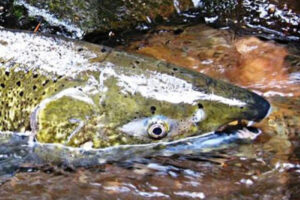
A new study finds hatchery-born Chinook salmon could help re-establish wild salmon populations, potentially improving health over generations.
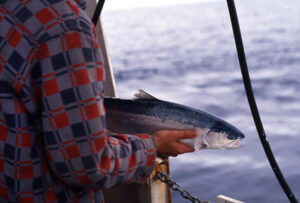
A new analysis of where salmon are concentrated at sea could aid with fisheries management and help curb IUU fishing.

Spatial and seasonal data are essential to understanding fishing effort dynamics and improving fisheries management in less-studied areas.

A new tool uses growth rings on octopus beaks and stylets to validate their age, possibly leading to improved octopus fishery management.

To replenish adult spawners, marine protected areas, or MPAs, need strong enforcement, effective management and climate-friendly design to succeed.