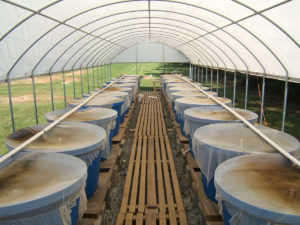
Grain distillers dried yeast in practical diets for juvenile Pacific white shrimp, part 2
Field trials evaluated inclusion levels of grain distillers dried yeast of 0 to 150 grams per kilo with excellent performance of shrimp during grow-out.



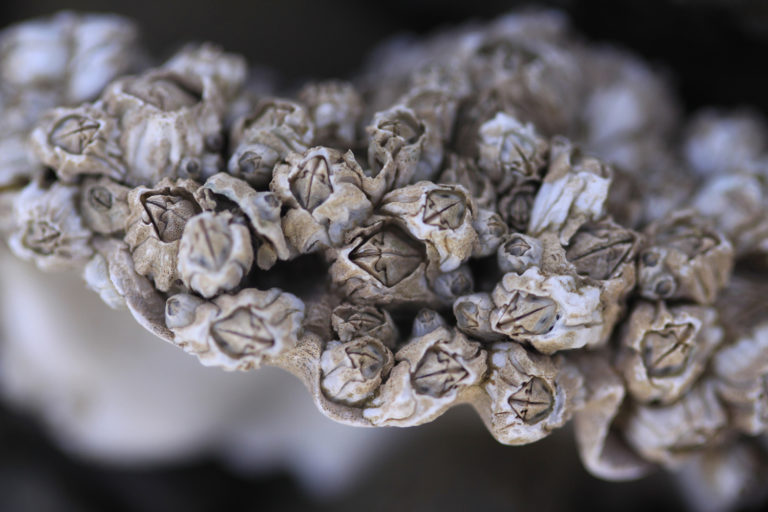
Norwegian startup Planktonic AS believes that it has hit upon a viable alternative to traditional live diets in the form of nauplii from barnacles.
Field trials evaluated inclusion levels of grain distillers dried yeast of 0 to 150 grams per kilo with excellent performance of shrimp during grow-out.
The increasing use of automatic feeding systems in shrimp ponds has brought attention to the need to improve the physical quality of aquafeeds, because their properties largely affect the performance of these feeders.
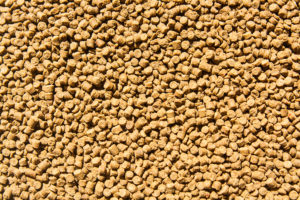
At the Barcelona Seafood Summit, an expert panel discussed a sustainable future for aquafeeds. What stands between us and that future?
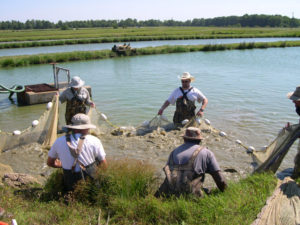
A significant reduction is possible in the digestible protein level in commercial diets for hybrid striped bass using ideal protein diet formulation, a robust set of ingredient nutrient availabilities, and a higher level (45 percent) of muscle profile as the formulation target.
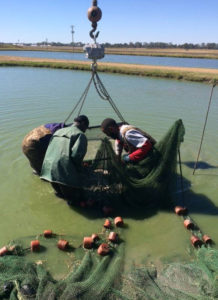
This study evaluated a commercially available prebiotics and probiotics under conditions simulating commercial production in hybrid catfish. Results showed that the various dietary treatments did not have any significant effects on processing characteristics or composition.
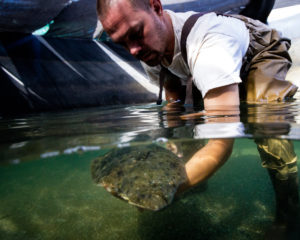
A two-year grant of $276,000 seeks to improve the nutrition of live feed for, and therefore the production of, larval California yellowtail and halibut, with the hopes that the technology will be applicable to other species.
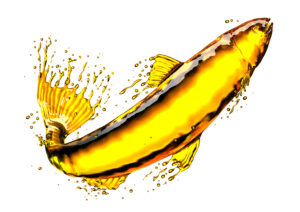
The Future of Fish Feed (F3) initiative aims to jumpstart innovation in terms of viable fish-free substitutes to fish oil through the global F3 Fish Oil Challenge.
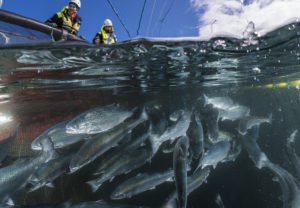
The benefits of omega-3 fatty acids to human health are well known. Fish need them too. To supplement current supplies from wild-caught fish, one innovative venture is turning to the corn fields of Nebraska – yes, Nebraska – for answers.
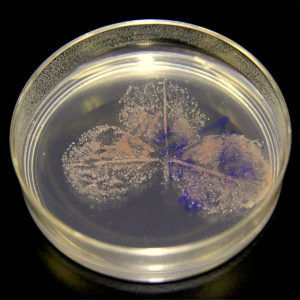
Leader in fermentation, bio-refining technology a “great strategic fit” for single-cell protein aquafeed ingredient maker transitioning from R&D labs to commercial production.
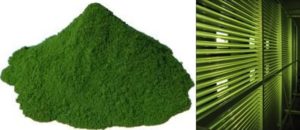
This study assessed the efficacy and nutritional properties of the marine alga Nannochloropsis salina as a feed ingredient using tilapia (Oreochromis niloticus) as a model species. Results showed adequate growth, survival, FCR and enhanced EPA levels.
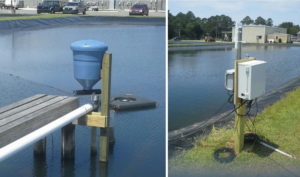
Results of this study show that automated feeding systems are significantly more efficient than hand feeding in shrimp production ponds and that increases in feed input, application of adaptive technology and training of people to maintain the feeding system must all be considered.

The World Aquaculture Society’s latest Lifetime Achievement Award recipient reflects on 50 years in the business of producing high-quality, nutritious feeds for the poultry, livestock and aquaculture industries.
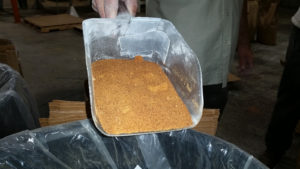
Results of a study show that alternative, sustainable, plant-based protein sources such as improved soybean meal may potentially replace fishmeal in Pacific white shrimp diets.
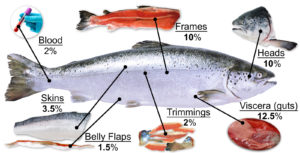
With byproducts representing between 25 to 50 percent of the weight of various fish species, we need to be looking at how the entire fish is being used: even the heads, guts and skin.
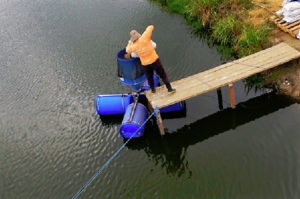
Studies showed that the demand feeding system for farmed shrimp – based on multi-rations and combined with sound detection – can be used to distribute the correct dosage of aquafeed with high nutritional density.