


Can a bioengineered oilseed replace synthetic pigments in farmed salmon and shrimp?

Scientists bioengineer oilseed crop to produce pink pigment for farmed salmon and shrimp, offering scalable alternative to synthetics

Scientists have genetically engineered the oilseed crop Camelina sativa to produce high levels of astaxanthin, a red antioxidant widely used to pigment farmed salmon and shrimp.
Led by researchers in the United States and the United Kingdom, the work uses plant-derived genes rather than bacterial pathways and may offer a viable alternative to costly synthetic astaxanthin, which is typically produced through chemical synthesis or harvested from algae. This development could support more sustainable practices in aquaculture.
Astaxanthin is part of a group of red pigments called ketocarotenoids, prized not only for their vivid color but also for their powerful antioxidant properties. These compounds don’t naturally occur in most crops, but by inserting genes from the scarlet flax flower (Adonis aestivalis), researchers created a new biosynthetic pathway in Camelina seeds that successfully produced ketocarotenoids.
Unlike earlier attempts using bacterial genes, this plant-based approach proved cleaner and more efficient, converting nearly all the β-carotene in the seed into ketocarotenoids, with astaxanthin making up more than a third, at levels of around 47 micrograms per gram of seed.
![Ad for [BSP]](https://www.globalseafood.org/wp-content/uploads/2025/07/BSP_B2B_2025_1050x125.jpg)
The benefits extended beyond pigment production. The extracted oil showed increased resistance to oxidation, a trait with potential applications in the food industry, especially for plant-based formulations like oleogels. Notably, the genetically modified Camelina plants grew normally in field trials across both the U.S. and the U.K., showing no signs of stress or stunted growth, demonstrating the stability and scalability of the innovation.
“With growing pressure to find natural, scalable alternatives to synthetic additives, we believe this approach could pave the way for a new generation of sustainable pigment-rich oilseeds,” said Dr. Richard Haslam, one of the co-authors of the research paper and a senior research scientist at Rothamsted Research.
Now that you've reached the end of the article ...
… please consider supporting GSA’s mission to advance responsible seafood practices through education, advocacy and third-party assurances. The Advocate aims to document the evolution of responsible seafood practices and share the expansive knowledge of our vast network of contributors.
By becoming a Global Seafood Alliance member, you’re ensuring that all of the pre-competitive work we do through member benefits, resources and events can continue. Individual membership costs just $50 a year.
Not a GSA member? Join us.
Author

Related Posts

Aquafeeds
Canada eagerly looks to camelina oil as a fish oil alternative
Grown worldwide, Camelina sativa is a tiny seed used for human consumption that also has big potential for driving the “green” economy.
Intelligence
It pays to be pink: Farmed shrimp production chain protects its price points with pigmentation
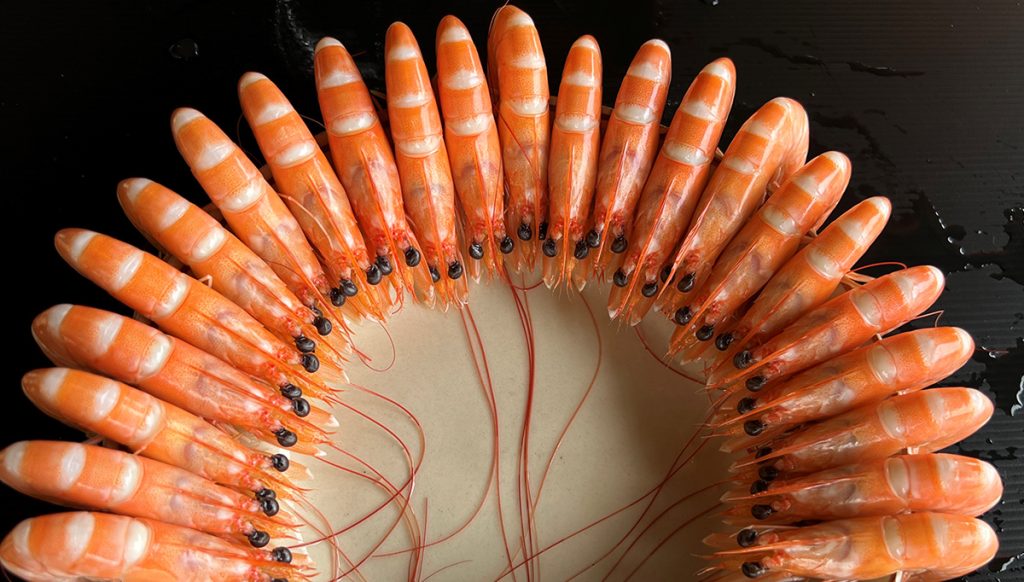
Shrimp color is critically important because of the visual impact and the ability to command higher prices. To some, it’s also a signal of good health.
Intelligence
The color of salmon: How fish farmers can add value by focusing on pigmentation
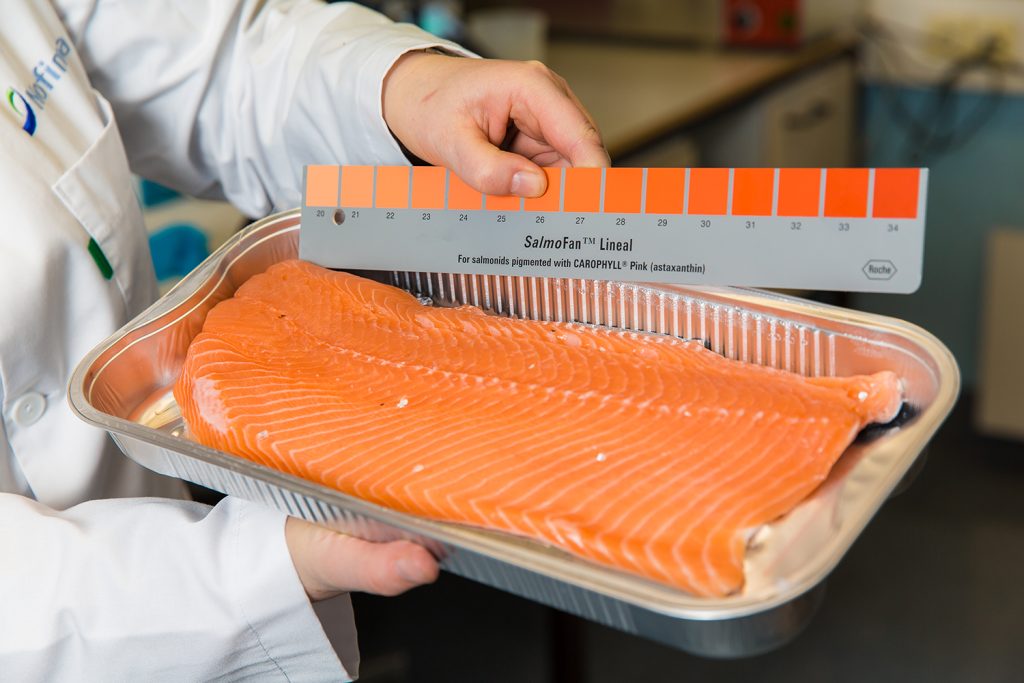
Are Norwegian salmon fillets getting paler? Researchers there are poring over pigmentation data to find commonalities in the color of salmon.

Aquafeeds
The pink powder that could revolutionize aquaculture
KnipBio, a Massachusetts-based biotechnology startup founded in 2013, is refining the manufacturing process for a promising aquaculture feed ingredient that may one day form the foundation of the food that farmed fish eat.