
Aquafeeds
Can a bioengineered oilseed replace synthetic pigments in farmed salmon and shrimp?
Scientists bioengineer oilseed crop to produce pink pigment for farmed salmon and shrimp, offering a scalable alternative to synthetics.


Aquafeeds
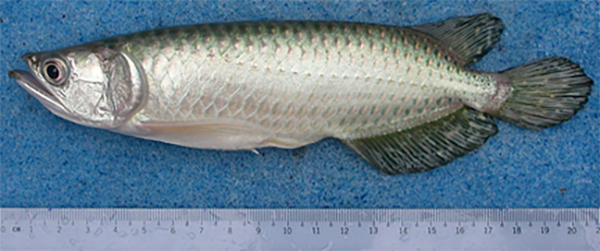
Late nymphal stages of the lobster cockroach can be live feed for better growth and feed efficiency for arowanas and possibly other species.
Aquafeeds
Scientists bioengineer oilseed crop to produce pink pigment for farmed salmon and shrimp, offering a scalable alternative to synthetics.
Aquafeeds
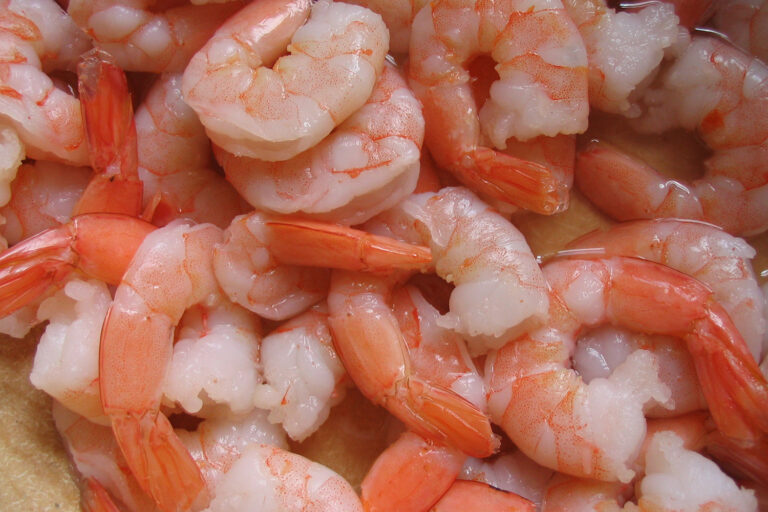
Algal-derived carotenoids can enhance growth and pigmentation in shrimp, supporting the development of functional feeds and improving quality.
Aquafeeds
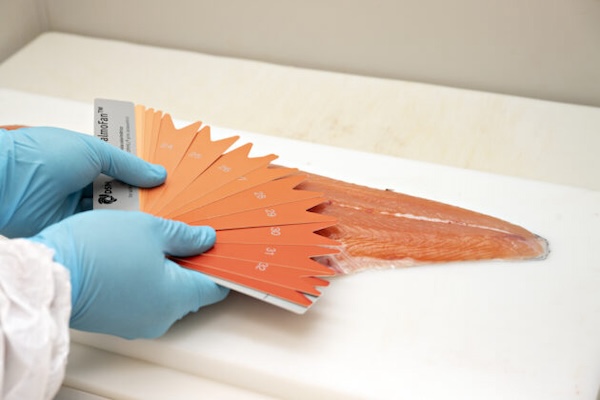
Stress reduces the color intensity of farmed salmon fillets, but adding high levels of vitamin A and astaxanthin in feed may help maintain pigmentation under pressure.
Health & Welfare
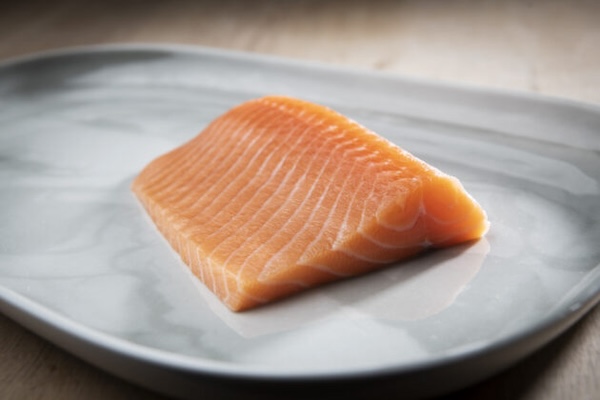
A new Nofima study reveals that mechanical delousing and fast growth negatively impact salmon fillet color.
Health & Welfare
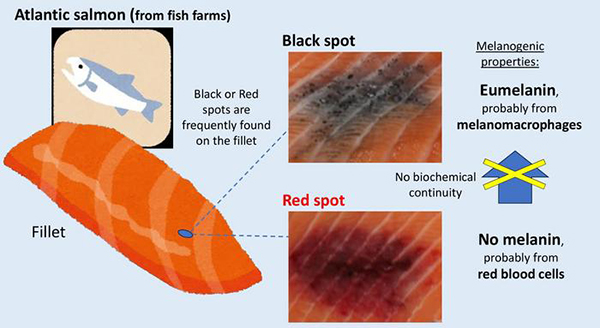
Black spots on salmon fillets differ in origin from red spots, prompting scientific exploration beyond just bleeding causes.
Intelligence
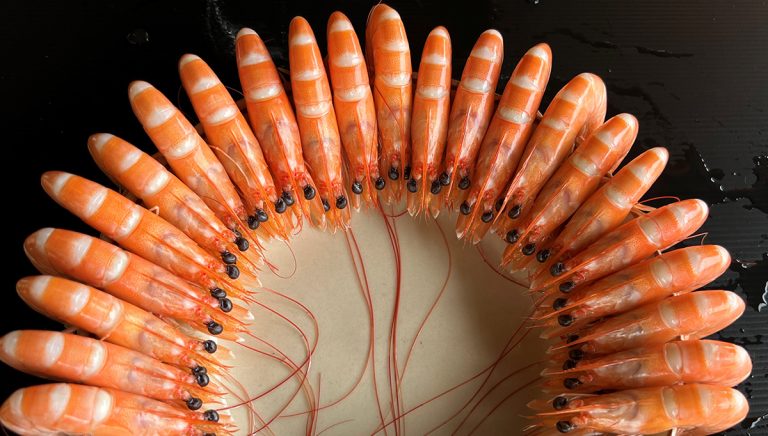
Shrimp color is critically important because of the visual impact and the ability to command higher prices. To some, it’s also a signal of good health.
Intelligence
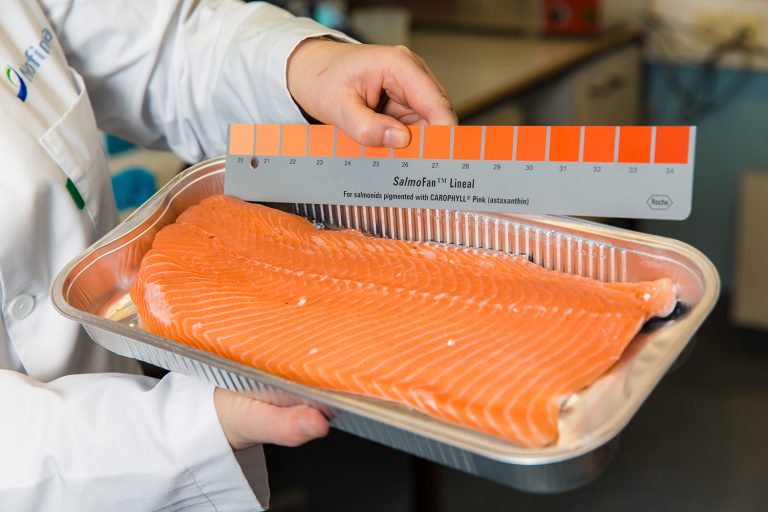
Are Norwegian salmon fillets getting paler? Researchers there are poring over pigmentation data to find commonalities in the color of salmon.
Intelligence
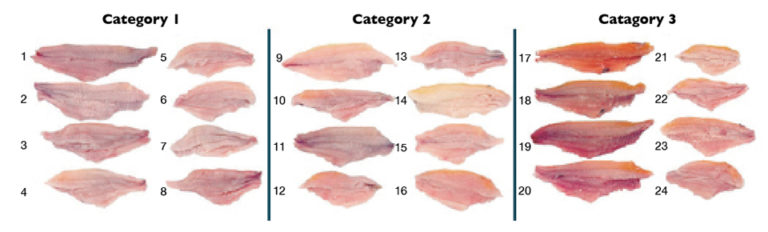
The yellow coloration in catfish fillets caused by carotenoids does not affect flavor, but many consumers see the yellowish fillets as inferior.
Health & Welfare
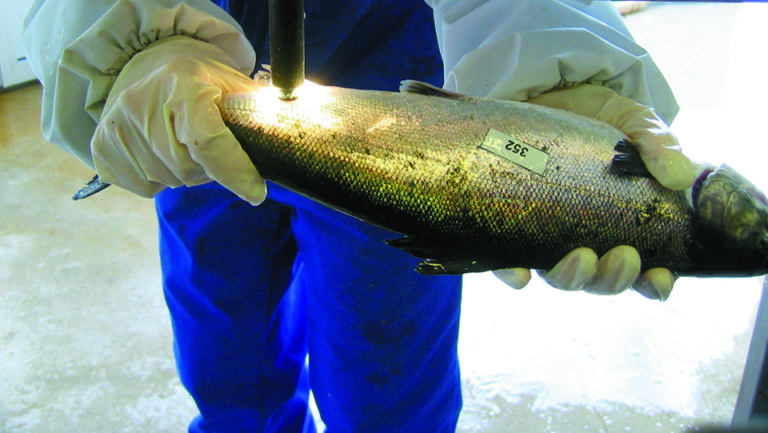
Successful non-invasive predictions of pigment and fat levels in whole salmon were demonstrated by the authors using visible and near infrared spectroscopy to study how these traits vary genetically during growth.