


Cambodia designates aquatic foods a national priority in new development roadmap

New food systems strategy positions fish at the center of nutrition, livelihoods and planning
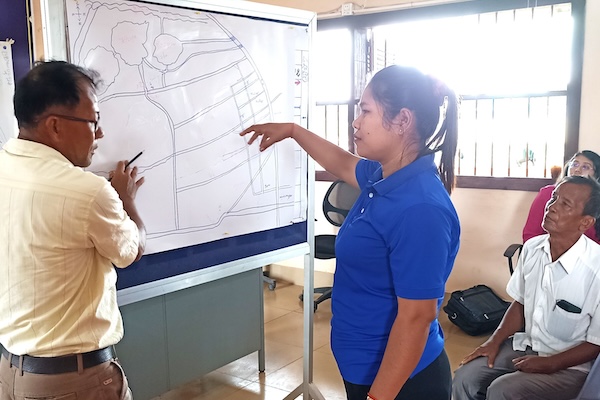
Cambodia has formally designated aquatic food systems as a national priority, naming fish and other aquatic foods as one of six “Game-Changing Actions” in its Second Roadmap for Food Systems for Sustainable Development (2025–2030).
The roadmap, led by the Council for Agricultural and Rural Development (CARD), marks the first time aquatic foods have been integrated into national food systems planning.
Fish already accounts for more than half of all animal protein consumed in Cambodia – among the highest rates globally – and is a key source of micronutrients for millions of rural households.
The roadmap builds on earlier policy momentum in 2025, when CARD’s Third National Strategy for Food Security and Nutrition placed fish at the center of the country’s nutrition agenda, expanding that focus across agriculture and food systems planning.
![Ad for [BSP]](https://www.globalseafood.org/wp-content/uploads/2025/07/BSP_B2B_2025_1050x125.jpg)
The shift follows more than a decade of research and community-level interventions across Cambodia’s floodplains and rice-fish systems. Since 2012, WorldFish and its partners have supported more than 160 Community Fish Refuges (CFRs), improving management across over 200,000 hectares and reaching an estimated 80,000 to 127,000 households.
In Kampong Thom province, data from the Sustainable Aquaculture and Community Fish Refuges (SAFR) project showed annual catch per fishing household increased from 170 kilograms (375 pounds) to 250 kilograms (55 pounds) within one year, alongside gains in consumption and income.
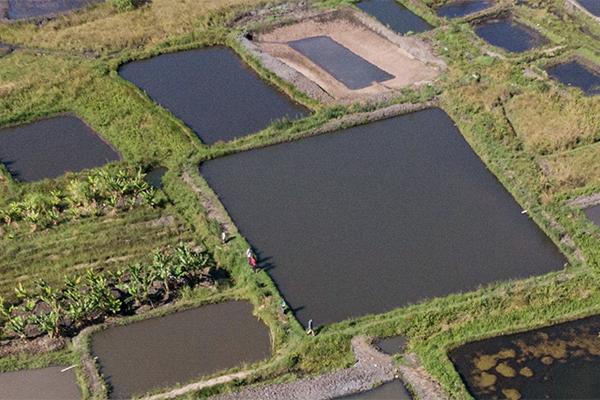
Integrated rice-field pond systems have also been introduced to support year-round fish production on existing farmland. The roadmap includes plans to integrate aquatic foods into the national school feeding system, with pilot programs underway in Kampong Thom and Prey Veng provinces.
Cambodia adds fish to national food security and nutrition strategy to aid health outcomes
Under the CGIAR Scaling for Impact Program, WorldFish and the International Institute of Rural Reconstruction (IIRR) have worked with agricultural cooperatives to link smallholder producers to schools, including training communities to produce small fish powder for use in school meals. Across 28 primary schools, 1,251 participants have been trained, including 671 women and girls, and five cooperatives are now supplying fish and vegetables to schools.
District-level governance reforms are also supporting implementation. In 2024, WorldFish, the International Water Management Institute (IWMI) and Cambodia’s Inland Fisheries Research and Development Institute (IFReDI) piloted District Technical Working Groups (DTWGs) to coordinate water and fisheries management.
In Ba Phnom district, the approach contributed to a 28 percent increase in dry-season water retention at Boeng Sneh Lake in 2024, helping restore fisheries and reduce conflicts between irrigation and fish production. In 2025, CARD moved to formalize and expand the model, establishing permanent district working groups for food security and nutrition.
Now that you've reached the end of the article ...
… please consider supporting GSA’s mission to advance responsible seafood practices through education, advocacy and third-party assurances. The Advocate aims to document the evolution of responsible seafood practices and share the expansive knowledge of our vast network of contributors.
By becoming a Global Seafood Alliance member, you’re ensuring that all of the pre-competitive work we do through member benefits, resources and events can continue. Individual membership costs just $50 a year.
Not a GSA member? Join us.
Author

Related Posts
Fisheries
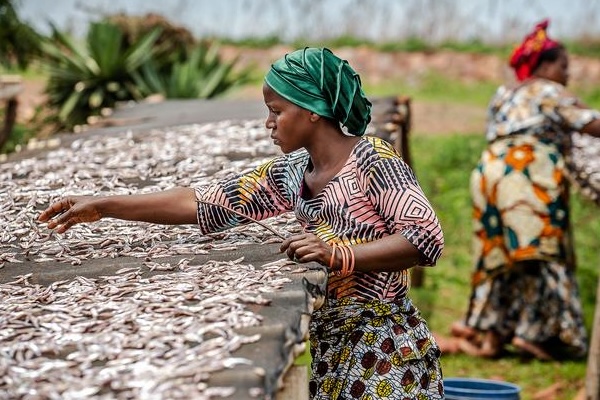
Study: Small-scale fisheries essential to global food security, livelihoods
New study highlights small-scale fisheries’ critical role in global food security, nutrition and livelihoods, urging stronger policy support.
Intelligence
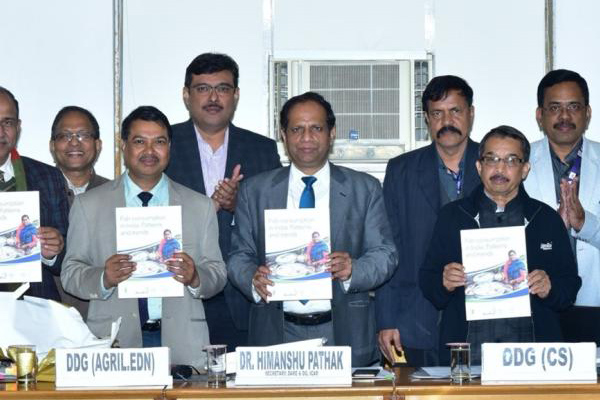
Fish consumption in India projected to double by 2048
A recent study found most Indians eat fish, and if this trend continues, fish consumption in India is projected to double by 2048.
Responsibility
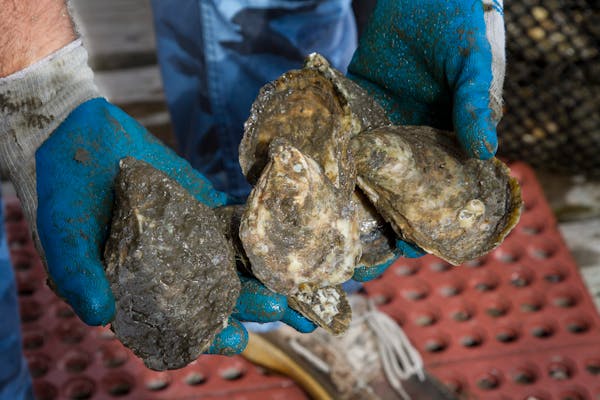
Sustainable mollusk farming project aims to boost food security in Asia
New global research initiative targets more sustainable, resilient mollusk farming in Asia amid climate and food security challenges.
Innovation & Investment
Report: Africa’s seafood sector needs investment, policy reform to sustain growth and ensure food security
Africa’s seafood sector is growing fast, but investment and policy reforms are key to ensuring food security, concludes a new report.