


How can the ‘dynamic and innovative’ aquaculture business attract the next generation of workers?

FEAP, Sea Grant and APROMAR among the groups looking to secure seafood’s future workforce via business training.
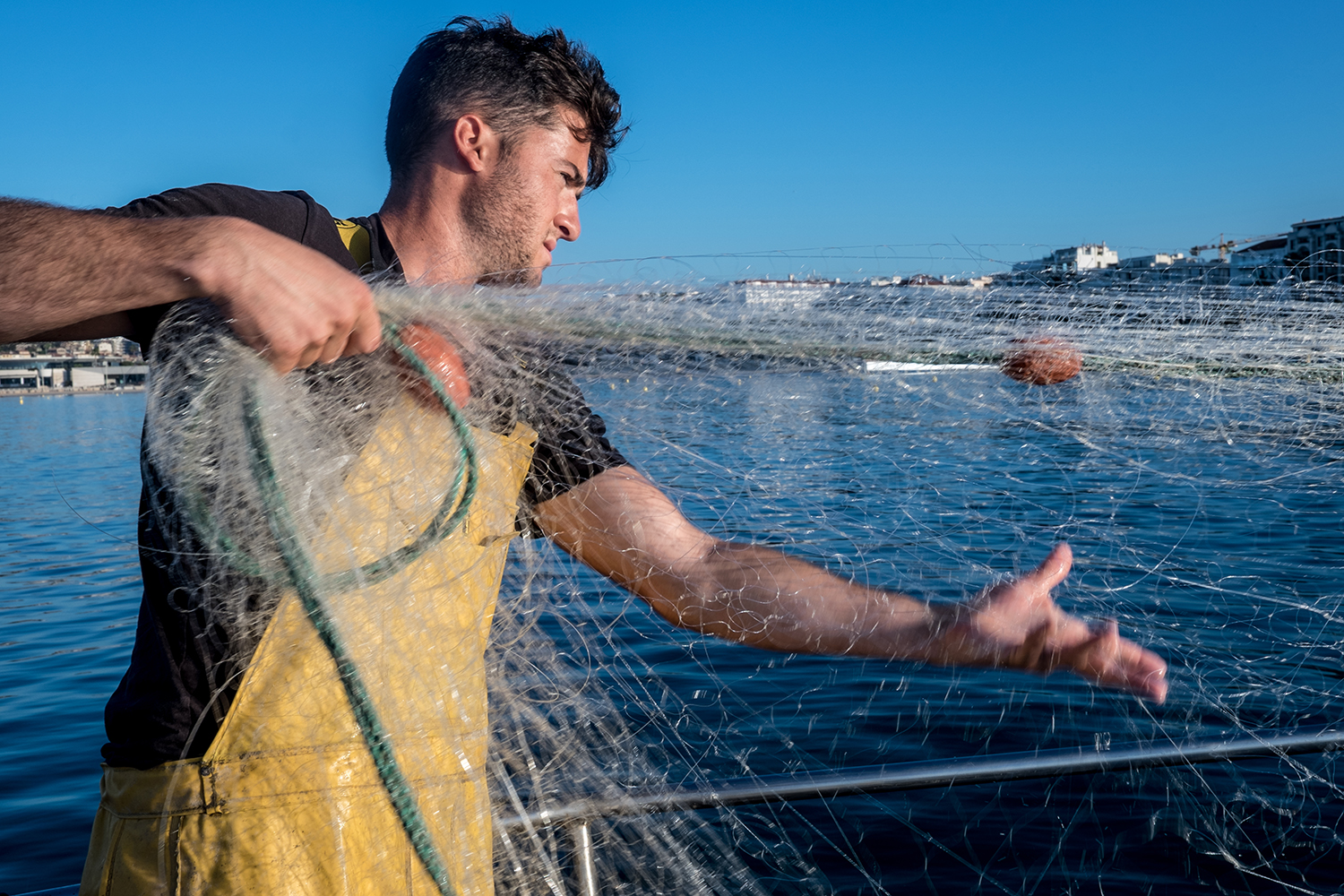
Global aquaculture is the fastest-growing food sector in the world and is projected to grow in tandem with an expanding human population. But as the industry looks to the future, one pressing question looms: Who will make up its workforce?
Attracting a new generation of professionals while ensuring long-term continuity across the sector is a challenge being addressed now, amid increasing pressure to create career paths that feel relevant, inclusive and appealing to younger people entering the workforce.
The sector relies on a wide range of skills, from production and processing to distribution and sales, yet it often struggles with its public image. It’s frequently associated with uncertainty, administrative complexity, environmental pressures and physically demanding work, all of which can discourage new entrants.
At the same time, shifting market dynamics, evolving consumer preferences, digitalization and growing global demand are reshaping the sector and the jobs within it. These changes are creating opportunities for innovation and renewal, with the potential to offer meaningful and rewarding careers if the right support is in place.

The Federation of European Aquaculture Producers (FEAP) in Brussels has underlined the need to strengthen youth engagement across aquaculture. In March 2026, it hosted the second edition of its NextGen “Deep Dive into EU Institutions” training program, designed to equip emerging professionals with the knowledge and skills needed for future leadership roles in European aquaculture.
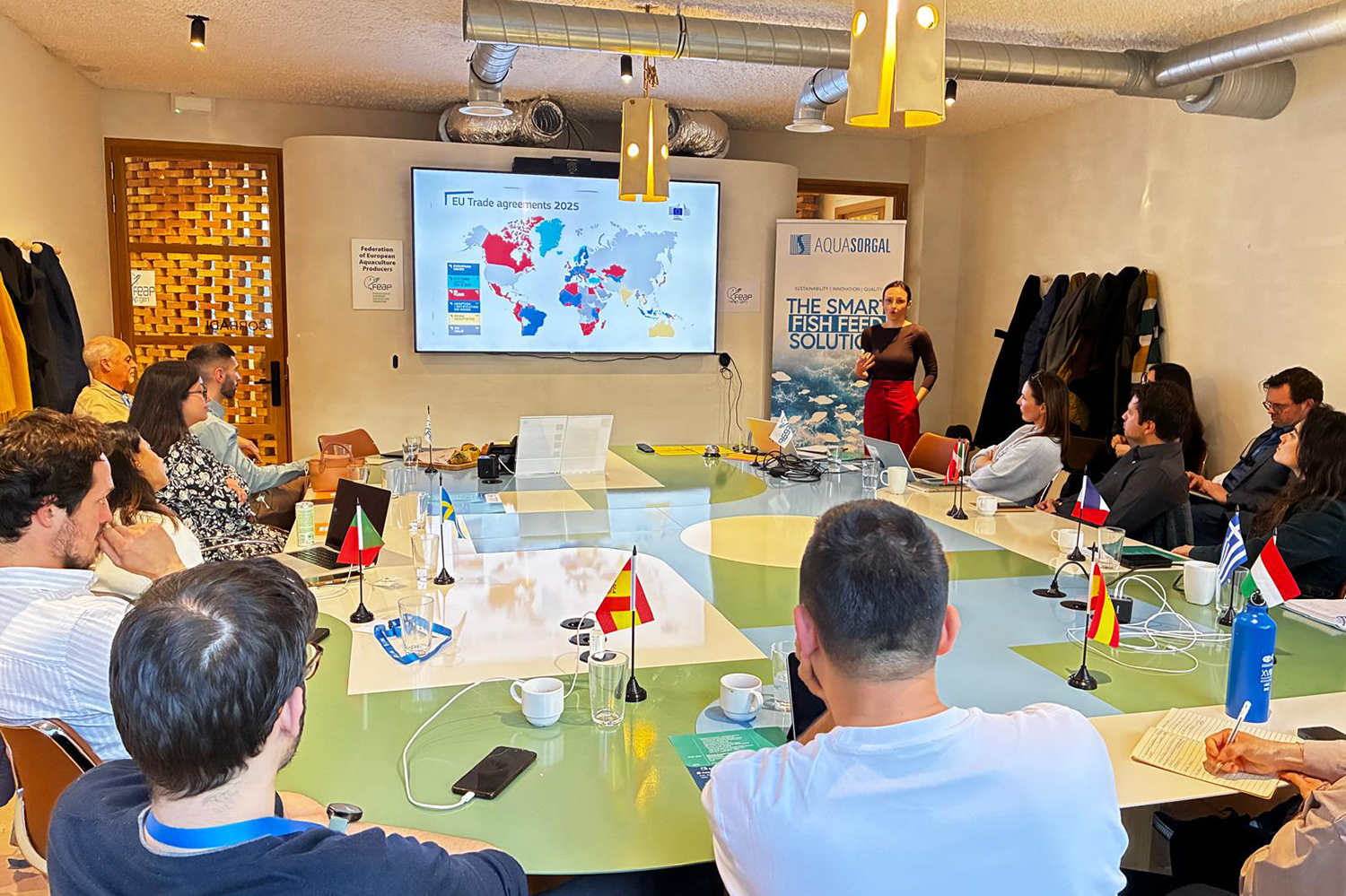
“Attracting a new generation remains closely tied to the structural challenges facing aquaculture,” Szilvia Mihalffy, senior policy and project officer at FEAP, told the Advocate. “Entering – whether by starting a business or building a career – can be daunting. Lengthy and costly licensing processes, difficulties securing investment, and the reality of working in remote areas all make it harder to attract and retain talent. Aquaculture is also relatively unfamiliar to many young people, making awareness and education essential. Yet for those who do engage, it can be a genuinely rewarding field, even as competition within Europe and globally continues to intensify.”
The NextGen training program combined presentations, networking and study visits, helping participants build connections while gaining insight into how EU institutions shape aquaculture policy. It also explored how to communicate national challenges effectively and contribute to future policy development. Key topics included sustainability, competitiveness, climate resilience and food security.
‘I worked across every department.’ One woman’s journey within Thailand’s aquaculture sector
Failing to attract and retain younger talent could limit aquaculture’s ability to meet growing demand for aquatic food as the global population grows, with implications for areas such as competitiveness and food security. Preparing the next generation will require stronger skills development in areas such as digital innovation, finance, food safety, post-harvest practices and trade.
“Aquaculture may be a relatively young industry, but that’s what makes it so dynamic and innovative,” said Garazi Rodriguez of APROMAR (Asociación Empresarial de Acuicultura de España), or the Spanish Aquaculture Producers Association, who has participated in a series of FEAP programs as well as the GFCM-FAO Young Women in Aquaculture program.
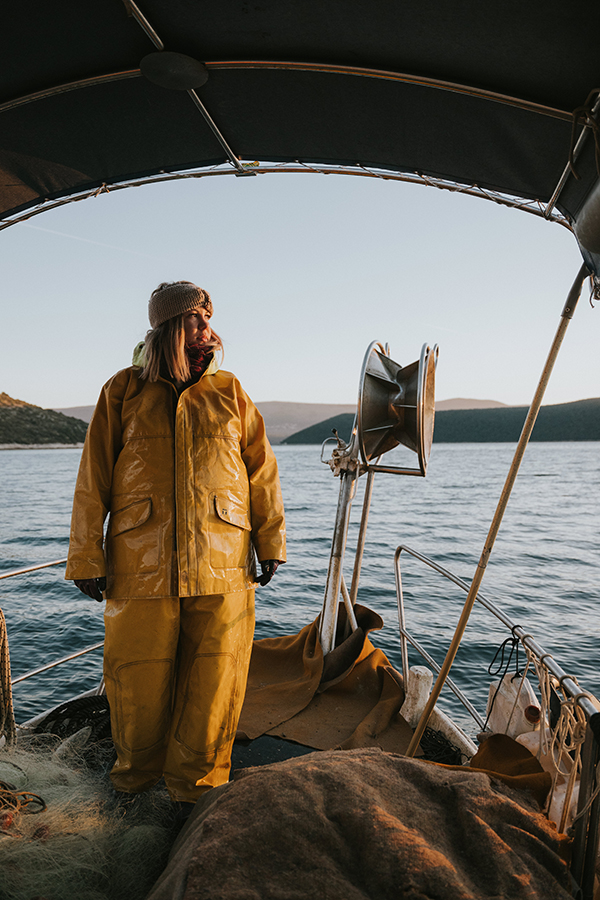
“To keep pace with its growth, the next generation needs to be comfortable with advanced technologies, from handling large data sets to using digital tools. New approaches such as offshore farming are also emerging and are often highly digitalized,” Rodriguez added. “In Spain, projects are already underway in the south, and they will require a broader range of expertise, including engineers and technology specialists. As aquaculture evolves, it is creating new job opportunities alongside existing ones, making the sector more diverse and attractive to young people from a range of professional backgrounds.”
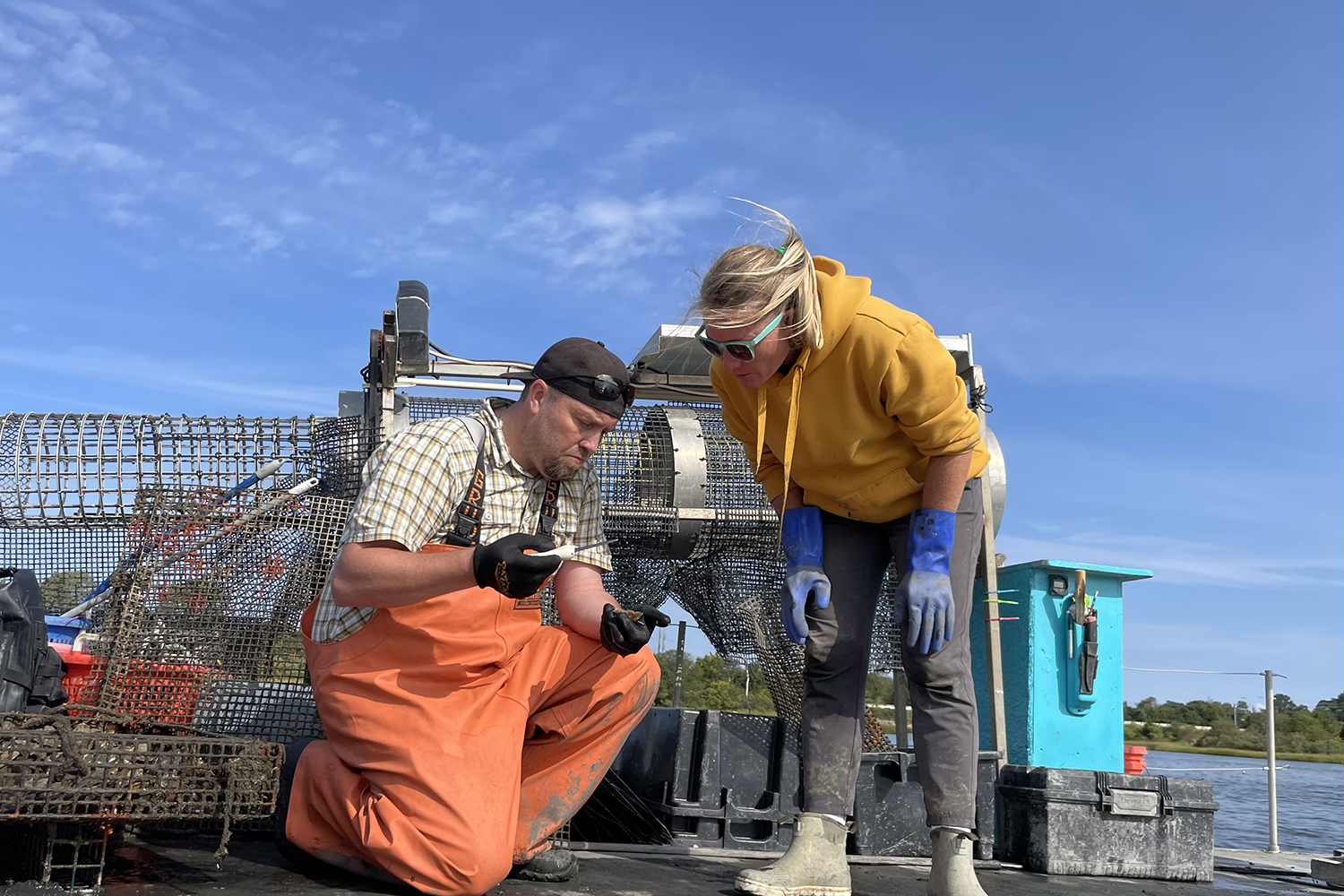
Azure Cygler of the Rhode Island Sea Grant at the University of Rhode Island (URI) in the US co-leads a 13-week hybrid course for individuals with some aquaculture experience who want to develop business skills.
“Aquaculture needs workers who are reliable and consistent at a basic level,” she said. “We often recruit from labor-focused industries like construction and landscaping, where people bring a strong work ethic and discipline. These qualities build trust, leading to greater responsibility and faster progression into management roles.”
The course focuses on core business skills, including taxes, liability insurance, recruitment, business planning and accessing grants. It also explores collaboration with state agencies, nonprofits and research partners, with an emphasis on presenting data clearly and professionally. Alongside branding, marketing and modern farming practices, participants are introduced to emerging technologies, including robotics and tools. They explore both the potential and limitations of these innovations and can engage with researchers to test them. The course also addresses operational decisions, such as whether to automate processes like sorting and grading or rely on manual labor. These are explored through cost-benefit analysis to inform business strategy.
The course recently wrapped up its second year and plans to offer a year-three course.
“I had no idea about the level of insurance, liability and other such business considerations that a grower needs to think about,” said Ben Turrene, a URI student and 2026 course participant. “This is totally different from growing a good oyster, but equally, if not more so, important.”
Cygler emphasizes that the next stage of aquaculture growth will rely on stronger collaboration between younger entrants and experienced farmers, researchers and communities.
“Sharing data and research is essential, particularly as many projects with public bodies or nonprofits depend on multiple farms to deliver meaningful results,” she said. “This kind of cooperation builds knowledge that benefits the whole sector. When one farmer solves a problem, others can build on it. In areas like seaweed farming, challenges such as processing infrastructure, food-grade licensing and kelp testing are too complex for individual farms to handle alone, making coordinated, industry-wide efforts crucial.”
Rodriguez, too, highlights the importance of strengthening communication between generations to ensure that practical experience is shared alongside new ideas and technologies. In some countries, such as Sweden, she said, professionals nearing retirement increasingly focus on education and training, helping pass on knowledge – a model seen as highly valuable for aquaculture. However, challenges remain.
“There are efforts to develop more structured mentoring programs, but implementation has been difficult,” she said. “Funding and time constraints often prevent young professionals from stepping away from their daily roles to learn from others. Confidence can also be a barrier, but there is a strong sense that simply opening a dialogue can create value, as both younger and more experienced participants bring different perspectives.”
“The intergenerational link is also important in family-run farms, where knowledge is passed directly from one generation to the next,” said Mihalffy. “This is a key strength, and there is a shared view that mentoring and knowledge-sharing should be better supported, not only in aquaculture but across other sectors, too.”
Mihalffy and Rodriguez suggest that once young people enter aquaculture and receive the right training, they are likely to stay. The sector offers a mix of hands-on work, problem solving and technical and administrative tasks, often in challenging yet visually striking environments. Working closely with animals can also make the job feel engaging and meaningful. Motivation is often driven less by financial incentives and more by curiosity, personal interest and a sense of connection to the work, said Mihalffy.
“Many young people are highly aware of sustainability and environmental issues, and aquaculture offers a clear purpose, producing nutritious food for a growing global population,” said Rodriguez. “It is often seen as having a lower carbon footprint than other food systems, and growing awareness of animal welfare, sustainability and resource efficiency makes it an attractive career choice.”
Younger generations bring a strong focus on sustainability and innovation, both essential to strengthening the resilience and future of aquaculture. Practices such as circular economy approaches, improved market access and advanced processing methods will help improve efficiency and growth, positioning aquaculture as a more resilient and forward-looking sector.
Cygler emphasizes that success in modern aquaculture now requires a broader skill set.
“Technical farming knowledge alone is not enough,” she said. “Young professionals also need to communicate effectively, engage with the public, and confidently market their products. That might involve building a strong social media presence, participating in events like oyster festivals, or offering eco-tours to showcase the value of aquaculture. The fundamentals of farming can be learned relatively quickly, but what sets people apart is their ability to connect with others and represent the industry in a positive, professional way.”
Now that you've reached the end of the article ...
… please consider supporting GSA’s mission to advance responsible seafood practices through education, advocacy and third-party assurances. The Advocate aims to document the evolution of responsible seafood practices and share the expansive knowledge of our vast network of contributors.
By becoming a Global Seafood Alliance member, you’re ensuring that all of the pre-competitive work we do through member benefits, resources and events can continue. Individual membership costs just $50 a year.
Not a GSA member? Join us.
Author
-

Senior Writer Bonnie Waycott became interested in marine life after learning to snorkel on the Sea of Japan coast near her mother’s hometown. She specializes in aquaculture and fisheries with a particular focus on Japan, and has a keen interest in Tohoku’s aquaculture recovery following the 2011 Great East Japan Earthquake and Tsunami.
Related Posts
Responsibility
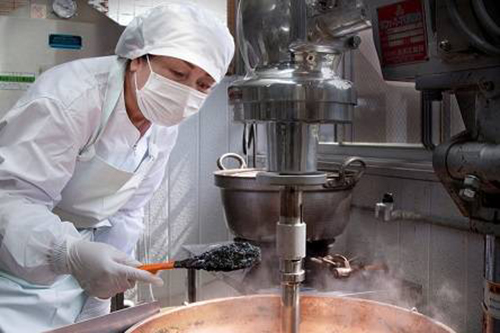
‘Women’s work keeps fisheries alive’: How women in Japan are slowly breaking barriers in a male-dominated industry
Women are playing a growing role in fisheries in Japan despite traditional gender norms and male-dominated institutions limiting their opportunities.
Responsibility
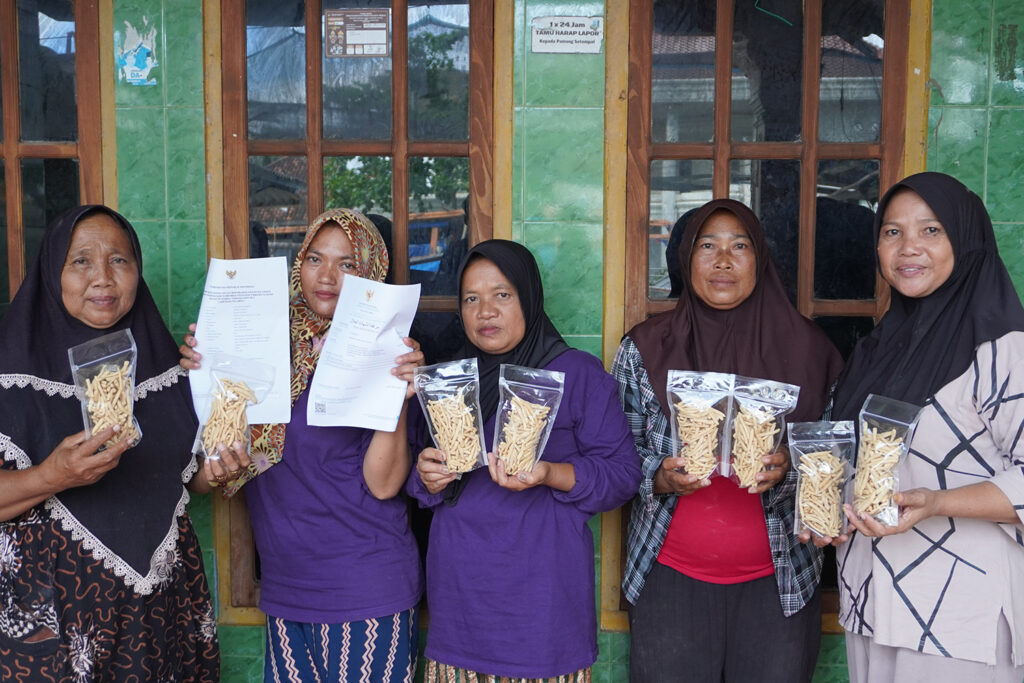
‘No longer quiet members’: How women are transforming Indonesia’s blue swimming crab fisheries
Women’s groups in Indonesia are building businesses, influencing fisheries management and supporting sustainable blue swimming crab fisheries.
Innovation & Investment
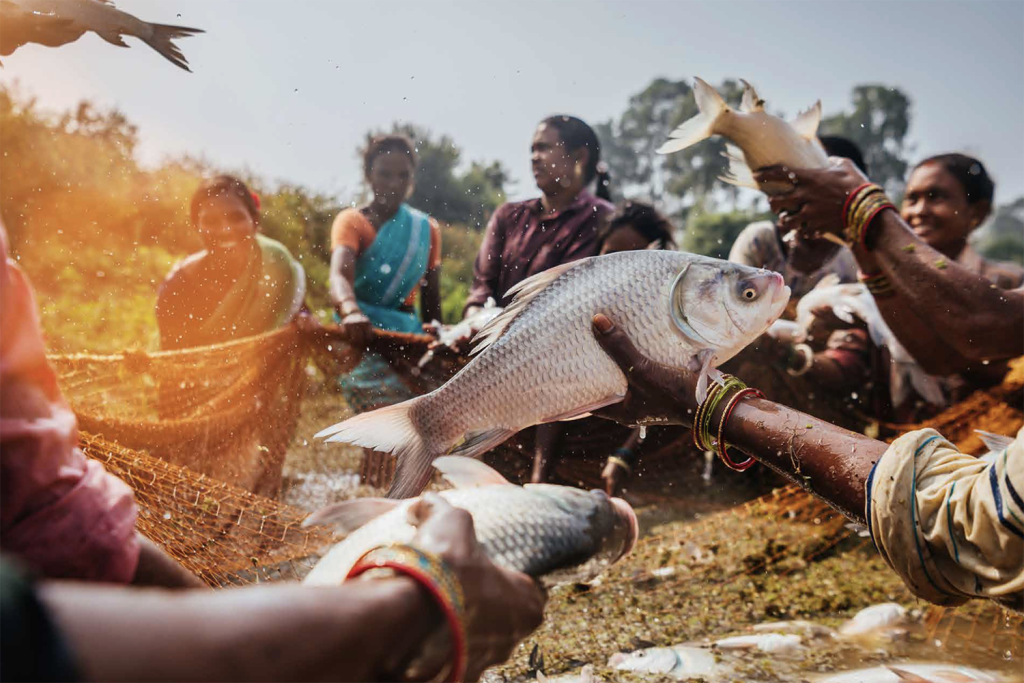
‘They know better than men how to protect their environment and people’: How focusing on women farmers is boosting food security in India
GOAL 22: The Government of Odisha and WorldFish collaborate to boost income and food security in India by teaching women’s groups to raise carp.
Responsibility
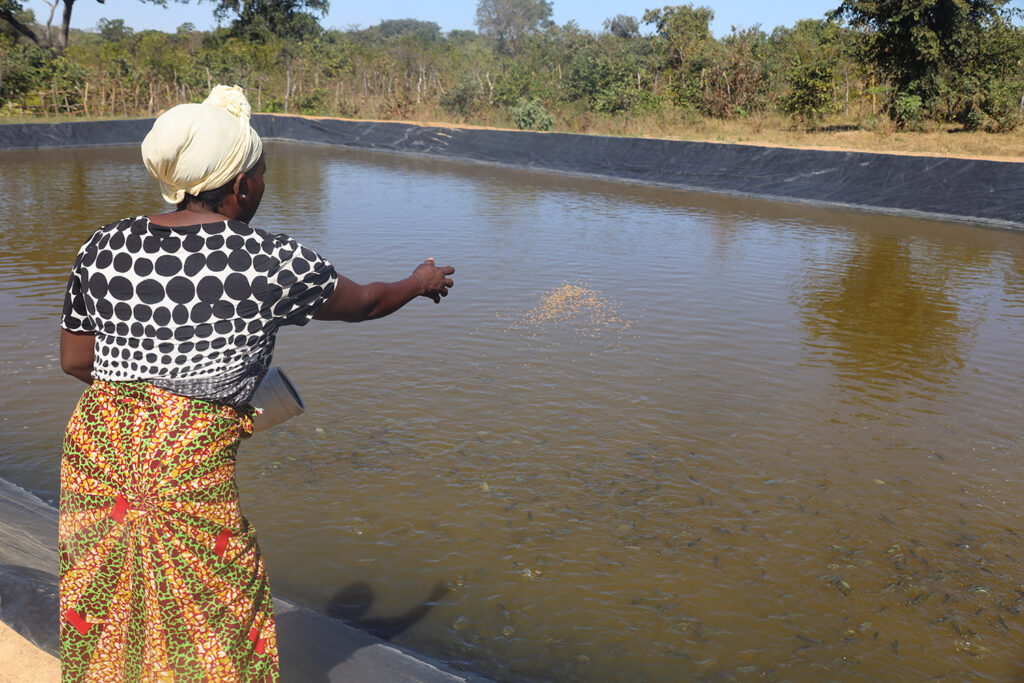
Championing gender equality in Zambia through fish farming
Women are now at the forefront of Zambia’s tilapia industry – a cornerstone for regional food security – and challenging traditional gender roles.