


Canada reopens northern shrimp fishery after more than a decade

Latest assessment finds shrimp population off eastern Newfoundland and Labrador is healthy enough to support commercial harvesting
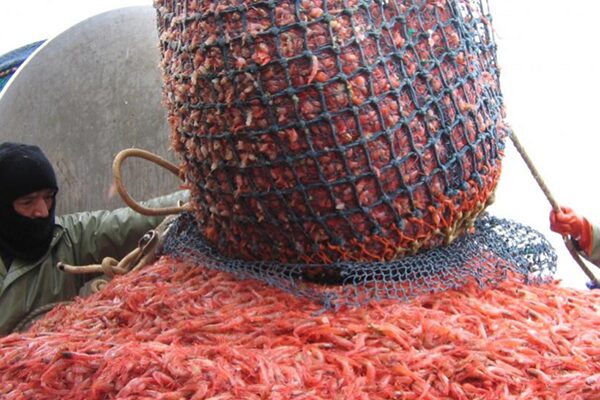
For the first time in more than a decade, Canada will reopen a commercial northern shrimp (Pandalus borealis) fishery off the coast of eastern Newfoundland and Labrador after federal scientists determined the shrimp population had largely recovered.
Canada’s fisheries minister, the Honorable Joanne Thompson, announced that harvesters will be allowed to catch 1,367 metric tons of northern shrimp in Shrimp Fishing Area 7 during the 2026-2027 season. The fishery was closed in 2015 after the stock was found to be in poor condition.
The reopening follows a new stock assessment that found the shrimp population in the area is now healthy enough to support a commercial fishery. According to Fisheries and Oceans Canada, the decision is intended to create economic opportunities for harvesters while maintaining the long-term sustainability of the stock.
“The shrimp fishery supports thousands of jobs on Canada’s east coast,” said Thompson. “By reopening the commercial fishery in SFA 7, we are continuing to support the fishing industry on Canada’s east coast and everyone who makes a living from it.”

Shrimp Fishing Area 7 is located in the domestic portion of the Northwest Atlantic Fisheries Organization Division 3L, off the coast of eastern Newfoundland and Labrador. The commercial fishery was closed by the Northwest Atlantic Fisheries Organization in 2015 after the stock was determined to be in poor health.
In 2025, Canada introduced a new stock assessment framework that redefined assessment areas to better reflect the shrimp’s biological distribution. Under the new system, the population in the South Stock Assessment Region, which includes SFA 7, was classified in the Healthy Zone.
Fisheries and Oceans Canada said it will continue monitoring the stock through regular assessments. Historic quota allocations will remain in place for the 2026-2027 season, except for the portion allocated to the Prince Edward Island Consortium, which will be held in reserve pending further review.
Now that you've reached the end of the article ...
… please consider supporting GSA’s mission to advance responsible seafood practices through education, advocacy and third-party assurances. The Advocate aims to document the evolution of responsible seafood practices and share the expansive knowledge of our vast network of contributors.
By becoming a Global Seafood Alliance member, you’re ensuring that all of the pre-competitive work we do through member benefits, resources and events can continue. Individual membership costs just $50 a year.
Not a GSA member? Join us.
Author

Related Posts
Fisheries
U.S. Gulf of Mexico shrimp fishery enters two certification assessments
The American Shrimp Processors Association has entered the U.S. Gulf of Mexico shrimp fishery into sustainability assessments.
Fisheries
Canada’s five-year plan aims to reduce whale entanglements in commercial fisheries
Canada unveils a five-year whalesafe fishing gear strategy aimed at reducing whale entanglements while supporting sustainable fisheries.
Innovation & Investment
Canada backs AI-enabled aquaculture technology project to grow $159B ocean economy
New aquaculture technology project uses AI-powered cameras and advanced sensors to monitor fish health and improve farm efficiency.
Intelligence
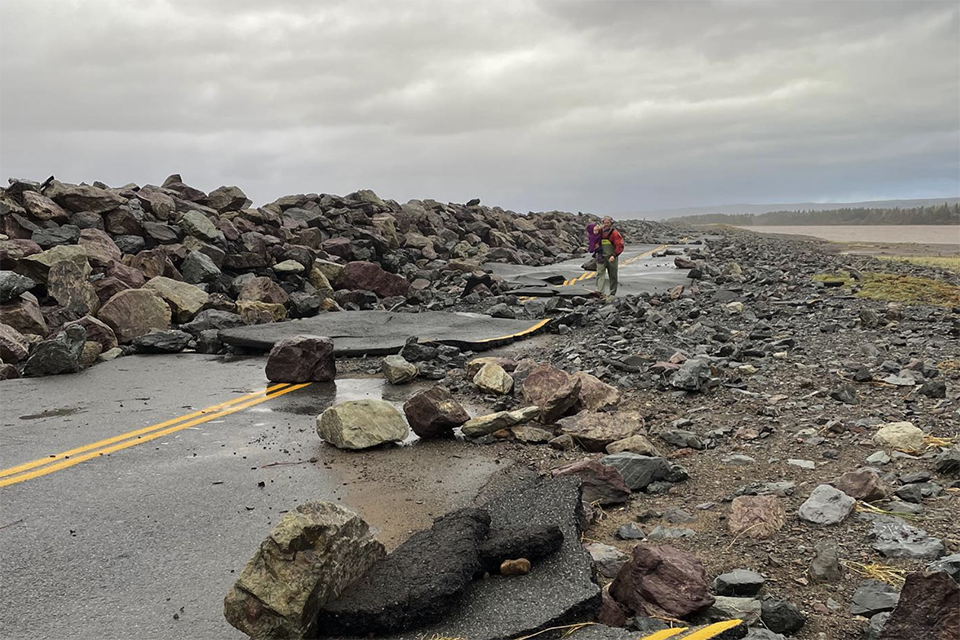
Hurricane Fiona was a ‘historic, extreme event’ for Atlantic Canada – and hit the seafood sector hard
As the clean-up from Hurricane Fiona begins, Atlantic Canada communities survey the damage caused to fisheries and aquaculture operations.