


As ocean technology advances, fisheries face a new challenge: scaling it

SAFET report highlights how ocean technology is reshaping fisheries, but scaling these tools remains a challenge
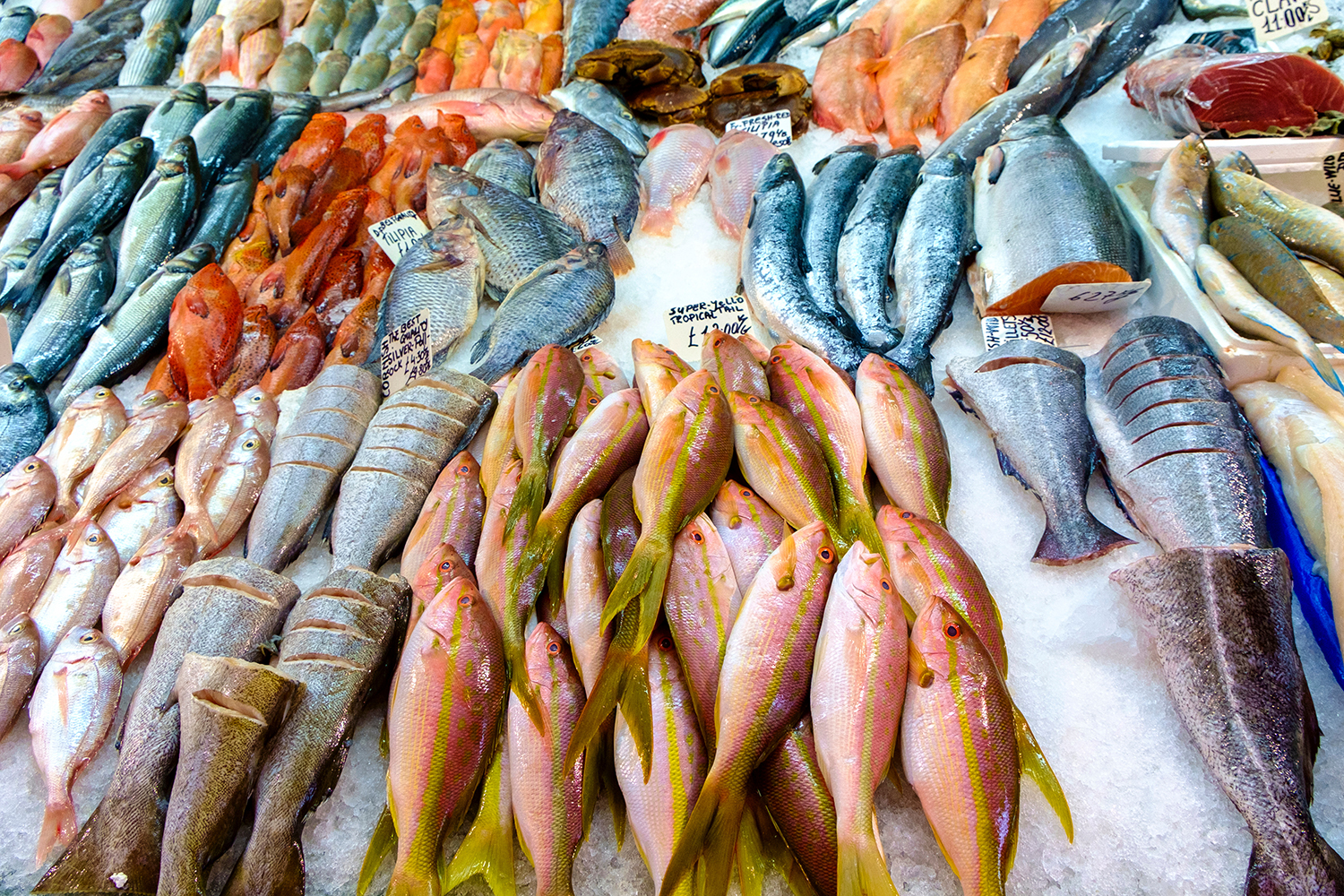
At the halfway mark of the U.N.’s Ocean Decade initiative, the gap between ambition and realization of ocean conservation goals is hard to ignore. Illegal fishing still accounts for roughly 20 percent of fish caught globally. Mislabeling of seafood products persists across markets. And more than a third of global fish stocks remain under pressure.
Against that backdrop, a recent report from nonprofit Seafood and Fisheries Emerging Technologies (SAFET) argues that the tools to address these problems already exist. Titled The Fourth Industrial Revolution at Sea, the report points to advances in sensors, data systems and biotechnology that are beginning to reach the ocean – offering new ways to strengthen sustainable seafood programs, reduce bycatch, combat IUU fishing and support healthier marine ecosystems.
“We are now at a pivotal midpoint in the Ocean Decade. Advances in technology have opened new pathways to take the action required, and now the urgent task is scaling the adoption of these technologies globally,” Inga Wise, executive director of SAFET, told the Advocate. “This report aims to showcase proven, scalable innovations, such as electronic monitoring and applications of artificial intelligence, that can help meet sustainability goals.”
The challenge isn’t whether these technologies work. It’s getting them into the water – at scale.
![Ad for [membership]](https://www.globalseafood.org/wp-content/uploads/2025/07/membership_web2025_1050x125.gif)
“With greater awareness of the technologies that exist and stronger confidence in those technologies and the companies behind them, the industry can turn those goals into realities,” said Wise.
Four pressure points across the seafood chain
Founded in 2024, SAFET positions itself as a bridge between tech innovators, fishers, regulators and scientists. Its latest report organizes the role of ocean technology across four areas, spanning from the sea floor to the supermarket shelf.
The first is improving traceability. Certification programs and national schemes – such as Thailand’s organic shrimp label – rely on credible data to build trust. Digital tools are making it easier for fishers to document responsible practices, maintain chain-of-custody integrity and provide verifiable proof to retailers and consumers.
Another focus is bycatch reduction. Even well-managed fisheries lose non-target species, damage habitat or leave ghost fishing gear behind. New sensors, smart gear and AI systems exist to detect sensitive species in real time and release them before capture.
The persistent problem of illegal fishing (or IUU fishing) also tops the list. For years, this scourge has hurt honest operators and eroded consumer trust, but the situation is evolving with technology. Electronic monitoring, vessel tracking and surveillance platforms are expanding visibility at sea, giving authorities near-real-time eyes on the water – even when vessels turn off their transponders to avoid detection.
Lastly, technology is supporting broader ecosystems management. From mapping fish stocks to monitoring coral bleaching, these tools are helping regulators set smarter harvest limits, enforce marine protected areas (MPAs) and track ecosystem recovery – directly feeding into sustainable supply chains that nourish billions.
Technology doesn’t eliminate these issues. But it can change how visible – and therefore how manageable – they become.
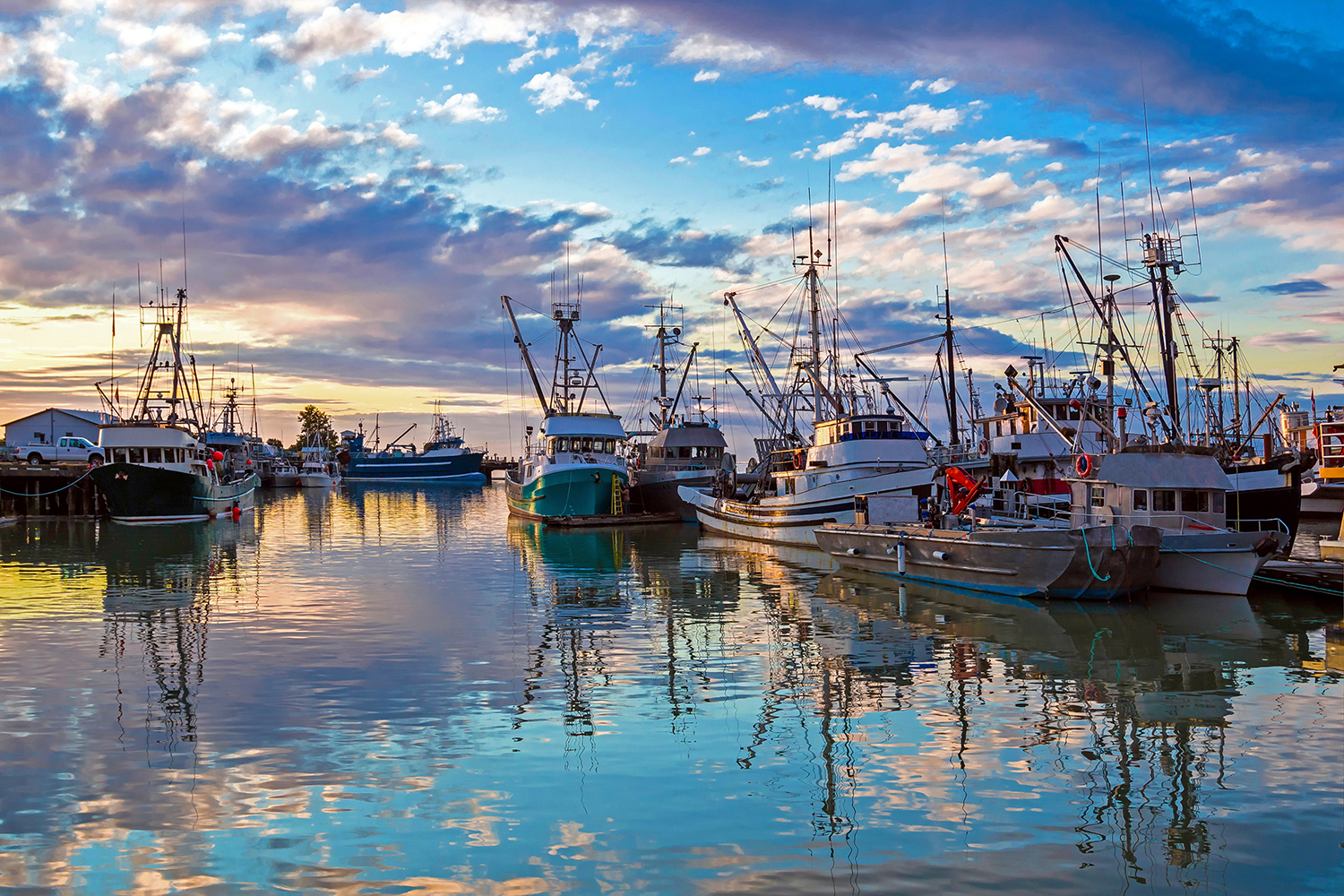
Eyes on the water
Electronic Monitoring (EM) is one of the clearest examples of that shift. Marine-grade cameras and onboard sensors can record catch, bycatch and transshipment activity, reducing reliance on human observers and expanding coverage across fleets. Video can run continuously or trigger on activity.
Adoption is uneven but growing. In the United States, 14 EM programs now operate across multiple regions, while in China, roughly 20 percent of tuna vessels carry the systems. The Indian Ocean Tuna Commission adopted EM standards in 2023.
In Atlantic Canada, the Ecology Action Centre repurposed onboard security cameras to monitor 100 percent of rod-and-reel swordfishing, helping fleets adapt to changing ocean conditions while preserving traditional harpoon methods.
Vessel tracking systems are evolving alongside them. Combining Automatic Identification System (AIS) transponders and fisheries-specific Vessel Monitoring Systems (VMS) provides near real-time data on vessel movement. Thailand, for instance, tracks over 6,000 vessels, and likewise, the ProtectedSeas Marine Monitor system tracked five California MPAs for a year and flagged potential illegal activity in 7 to 17 percent of tracks while confirming high overall compliance.
At the local level, adoption can also address conflicts. In Kanyakumari, India, more than 200 trawlers voluntarily adopted a GPS-based system after gear conflicts escalated between traditional and mechanized fleets. Fishers submit digital tokens and navigation data, creating quick, verifiable records that resolve disputes without court battles.
Surveillance platforms are also enhancing enforcement capacity. Tools such as OceanMind’s PSMART system combine satellite data, AI and port inspection workflows to help authorities identify high-risk vessels and prevent illegal catch from entering markets.
Non-crewed systems are expanding reach. Drones and autonomous underwater vehicles are being deployed in remote and deep-water environments, supporting everything from enforcement to more precise fishing operations in regions such as Brazil and Malawi.
For regulators, the implications are significant. Monitoring is no longer limited to patrols and inspections – it’s increasingly continuous and data-driven.
Could these high- and low-tech approaches help curb fisheries bycatch?
Reducing the unintended catch
Bycatch remains one of the most persistent operational challenges in fisheries – and one of the hardest to measure consistently. New tools, from modified gear to AI-assisted detection systems, are starting to change that. In some cases, bycatch reduction devices have delivered measurable improvements in pilot trials, helping fleets avoid or release non-target species more effectively.
In the Mediterranean, for example, trials of Fishtek Marine’s SharkGuard device – which emits electromagnetic pulses – reduced shark bycatch by 91 percent and ray bycatch by 71 percent in tuna longline fisheries. Likewise, WWF’s Smart Gear initiative has achieved 40 to 60 percent bycatch reductions in pilot trials.
Elsewhere, smart gear and onboard camera systems are being paired with machine learning to identify species in real time, allowing crews to adjust or release catch before it becomes a compliance issue. In European fisheries, the CatchCam Technologies underwater cameras and sensors in perch, scallop and squid fisheries to improve targeting and reduce unintended catch.
These advances do more than protect ecosystems – they can reshape regulatory relationships. Fisheries that demonstrate measurable reductions may gain more flexibility, while those that cannot risk tighter controls and increased scrutiny.
Artificial intelligence is already helping improve fisheries, but the trick is in training the tech
A push toward improved traceability
Traceability systems are evolving, often incorporating digital reporting and blockchain-based tools to create more secure, verifiable records across the seafood supply chain.
Electronic Logbooks (ELOGs) are replacing paper in some regions, with GPS-linked digital reporting of catch, effort and fuel use. In Canada, mandatory rollout of ELOGs in the Gulf of St. Lawrence has enabled more consistent tracking of catch and effort. The Gulf Shrimp Fishery ELOG maps vessel activity at 10-minute intervals to improve stock assessment and marine spatial planning.
At the same time, smaller-scale fisheries are beginning to adopt digital tools that connect directly to markets. In India, platforms like Odaku allow fishers to generate QR-coded labels tied to vessel and catch data, giving buyers a clearer view of where seafood originates while supporting transparency at the local level.
Efforts to standardize how this data moves across global supply chains are also gaining traction. The Global Dialogue on Seafood Traceability (GDST) has developed interoperability tools to align data systems across companies and countries. Early trials in Indonesia reduced compliance effort by 60 percent, suggesting that standardization could lower barriers to adoption.
For the industry, the direction is clear: traceability is shifting from a compliance exercise to a core requirement for market access.
Scaling remains the challenge
Despite the progress, the report emphasizes that technology alone is not enough. Cost remains a barrier, particularly for small-scale operators. Data governance and access are still unresolved in many regions. And regulatory frameworks are evolving more slowly than the technologies themselves.
Technology is arriving at the same time – but not evenly, and not everywhere.
“How can we collectively bridge from the aspiration of ocean commitments and the pull of market demand for more-sustainable seafood options, to actions that deliver more sustainable management of fisheries and the ocean environment?” said Wise. “The Fourth Industrial Revolution has arrived at sea, and with it, the prospect of a more sustainable future for the fisheries, ocean environment, and billions of people that depend upon it.”
Now that you've reached the end of the article ...
… please consider supporting GSA’s mission to advance responsible seafood practices through education, advocacy and third-party assurances. The Advocate aims to document the evolution of responsible seafood practices and share the expansive knowledge of our vast network of contributors.
By becoming a Global Seafood Alliance member, you’re ensuring that all of the pre-competitive work we do through member benefits, resources and events can continue. Individual membership costs just $50 a year.
Not a GSA member? Join us.
Author
-

Editor Emeritus
Related Posts

Fisheries
Can a data-sharing tool eliminate IUU fishing and make seafood supply chains more reliable?
The Sustainable Fisheries Partnership’s new data-sharing tool helps users identify environmental risks and eliminate IUU fishing in seafood supply chains.
Fisheries
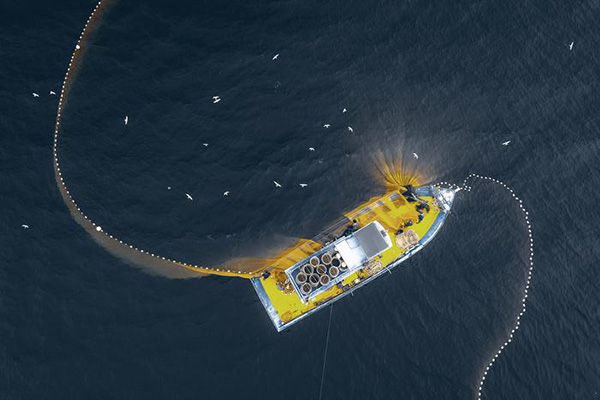
Can an underwater artificial intelligence bot detect IUU fishing?
A new underwater artificial intelligence bot could "revolutionize" ocean monitoring and IUU fishing identification, scientists say.
Fisheries
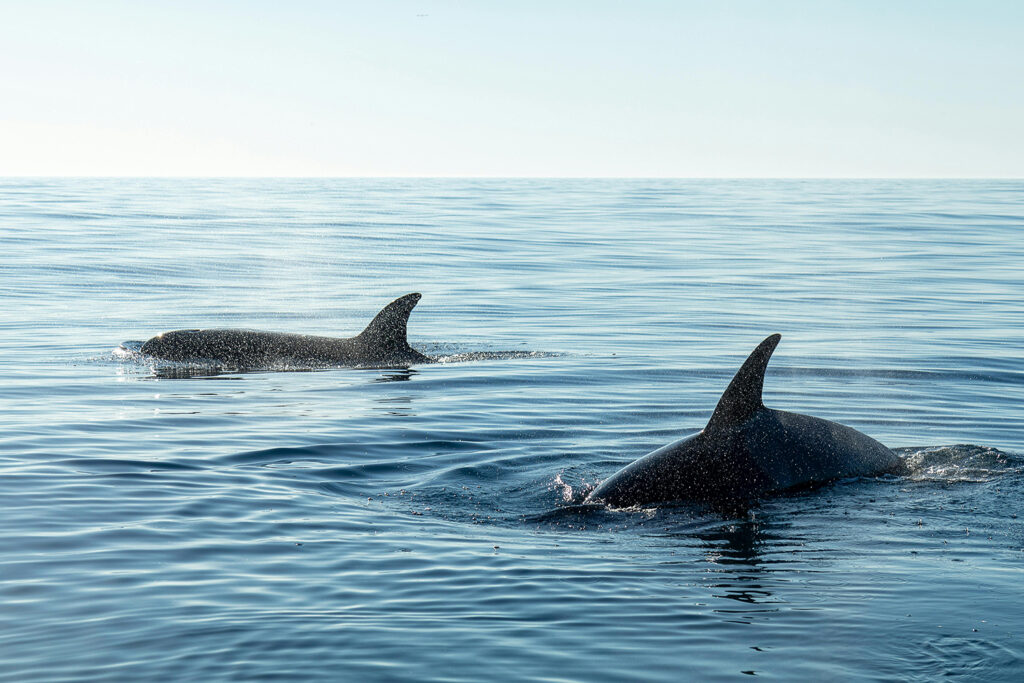
Good fences make good fisheries: Alaska flatfish fleet mitigates orca bycatch via innovation
The “orca fence,” designed to mitigate accidental catch of killer whales, is showing positive results after only a couple years of use.
Fisheries
‘Catching salmon is our worst nightmare’: Alaska’s pollock industry’s bycatch solutions are driven by technology – and emotions
Reducing king and chum salmon bycatch in Alaska’s pollock fishery has required an industrywide effort with data sharing and new technology. Is it enough?