


Wales launches study to map carbon footprint of its seafood industry

Welsh government to map its seafood industry’s carbon footprint and support its transition to net-zero
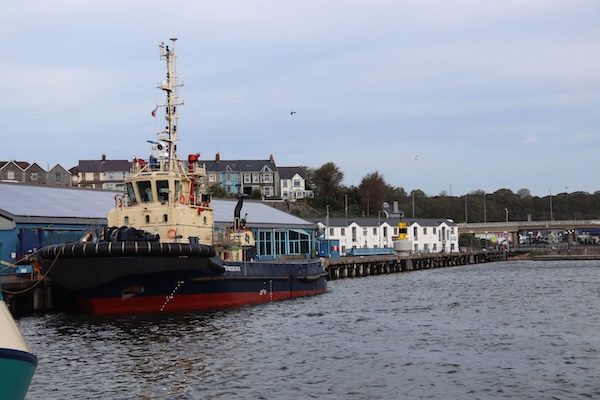
The Welsh government has launched a new effort to chart the carbon footprint of the nation’s seafood industry, asking fishing vessel owners and aquaculture operators to share emissions data.
The project aims to help both sectors track their climate impact and move closer to Wales’s 2050 net-zero target – a goal that, until now, has lacked baseline data for fisheries and aquaculture.
“We know that Welsh fishers are already taking steps to fish efficiently and responsibly,” said Samira Anand, Welsh industry engagement manager. “This project is about capturing that progress and providing the baseline to help support the sector’s transition to net-zero.”
Seafish, the public body that supports the UK seafood industry, is leading the work under commission from the Welsh Government’s Fisheries Division. The study will measure emissions from commercial fishing up to the point of landing and from aquaculture production up to the first point of sale.
![Ad for [membership]](https://www.globalseafood.org/wp-content/uploads/2025/07/membership_web2025_1050x125.gif)
The research focuses on key wild-capture species such as European sea bass, cockles, brown crabs, European lobsters, king and queen scallops, common whelks, skates and rays, as well as aquaculture species including mussels and oysters.
Projects look to improve carbon footprint and biodiversity impact of aquafeeds
Seafish is asking skippers, vessel owners and aquaculture operators to share data that will help shape the study. Information on gear lifespan, fuel use and carbon-saving measures already in place will ensure the findings reflect the real operating conditions of the Welsh fleet.
“The more input we get from industry, the stronger and more useful the results will be, so I would really encourage industry members to engage with this project,” Anand said.
The project supports the climate change objectives outlined in the Fisheries Act 2020, which guides how the UK and devolved governments manage fisheries, aquaculture and marine conservation. Establishing a carbon footprint for Welsh fisheries will provide data to inform efforts to reduce the environmental impacts of fishing and aquaculture.
Now that you've reached the end of the article ...
… please consider supporting GSA’s mission to advance responsible seafood practices through education, advocacy and third-party assurances. The Advocate aims to document the evolution of responsible seafood practices and share the expansive knowledge of our vast network of contributors.
By becoming a Global Seafood Alliance member, you’re ensuring that all of the pre-competitive work we do through member benefits, resources and events can continue. Individual membership costs just $50 a year.
Not a GSA member? Join us.
Author

Related Posts
Responsibility
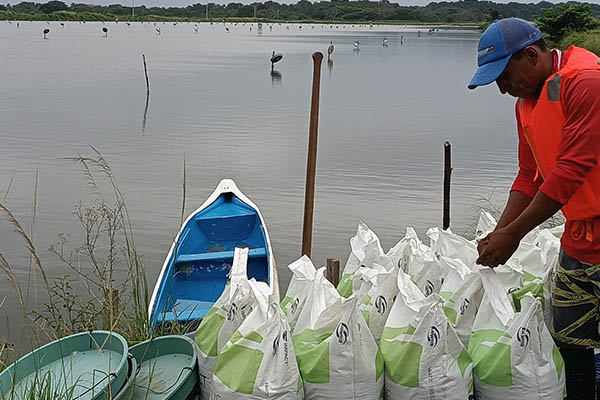
Collaboration launches low-impact shrimp from Ecuador on the French market
A new product line minimizes the carbon footprint associated with shrimp farming while enhancing social impact initiatives in Ecuador.

Responsibility
Faroe Islands salmon producer onboard first transatlantic flight using eco-friendly jet fuel
Faroe Islands salmon producer Bakkafrost shipped cargo on the world's first transatlantic flight using a new eco-friendly jet fuel.
Responsibility
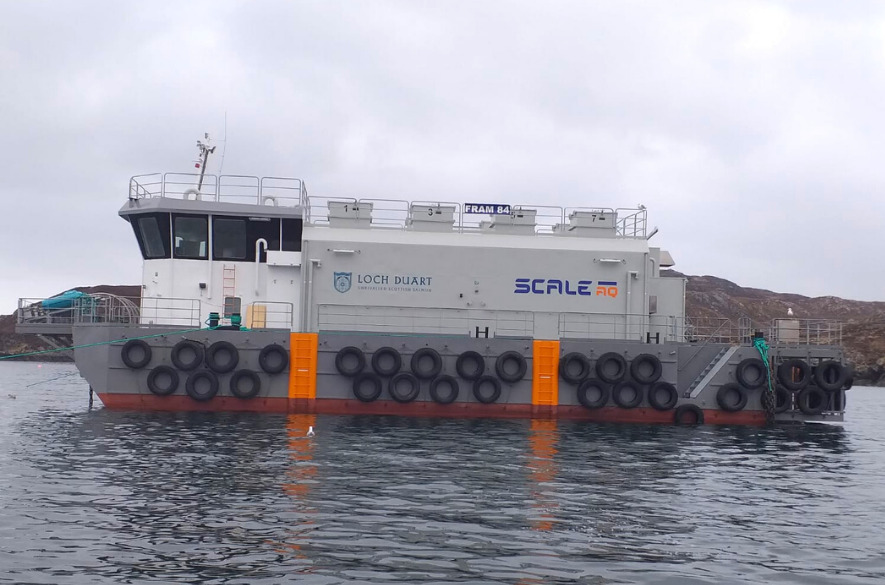
Scottish salmon farmer introduces hybrid feed storage barge to reduce carbon footprint
Loch Duart, an independent Scottish salmon farm, has introduced a hybrid feed storage barge to reduce its carbon footprint.
Responsibility
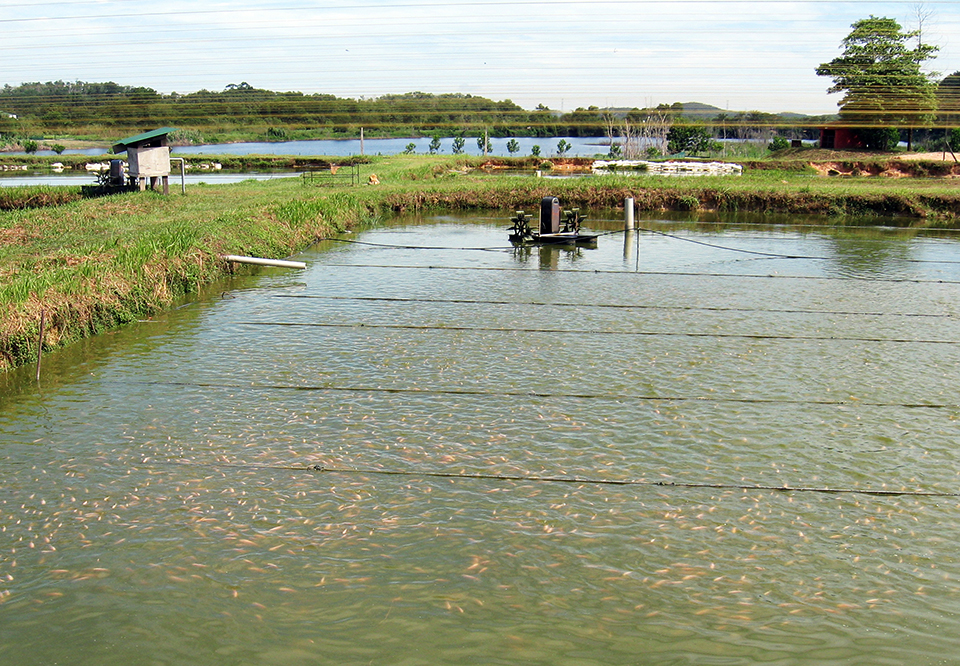
Assessing the carbon footprint of aquaculture
A carbon footprint is an estimate of the total carbon emissions resulting from the production, use and disposal of a product or service. Carbon footprints for aquaculture products result mainly from the use of manufactured feed and mechanical aeration.