


Project ECO-CATCH aims to usher in a new era of Baltic and North Sea fishing

Multi-stakeholder project will develop and demonstrate innovative fisheries solutions

Funded by the European Climate, Infrastructure and Environment Executive Agency (CINEA), the new ECO-CATCH project brings together partners from science, fisheries, industry, certification and civil society.
Alongside two sister projects for the Arctic-Atlantic and Mediterranean, its aim is to transform the future of marine ecosystems and fisheries in the Baltic and North Seas by developing and deploying 10 innovative solutions to help fishers reduce environmental impact and enhance seafood value. Through the project, the solutions will be turned into ready-to-use commercial technologies by 2028.
Led by Dr. Valentina Melli and Dr. Lotte Kindt-Larsen at DTU Aqua, ECO-CATCH consists of a diverse consortium of research and development institutions, small- to medium-sized companies, fish producer associations, seafood suppliers and certification programs. It officially launched with a three-day kick-off meeting in June at DTU Aqua’s Hirtshals Campus.
“ECO-CATCH is about turning scientific innovation into real-world solutions for Europe’s seas, fishers and communities. By working across the value chain, we can deliver technologies and business models that make sustainable fishing the new standard,” said Melli.
![Ad for [BSP]](https://www.globalseafood.org/wp-content/uploads/2025/07/BSP_B2B_2025_1050x125.jpg)
Collectively, the new technologies will help fleets avoid vulnerable habitats and areas of high bycatch risk and offer more selective or alternative gear to minimize the capture of juvenile fish such as cod and Endangered, Threatened and Protected (ETP) species like porpoises. Innovations range from wheelhouse visualizers to guide skippers to areas where they can fish efficiently without damaging habitat or catching non-target species, trawl modifications to allow easy escape for cod, new “MicroSeine” gear for small-scale demersal fishers, and alternative gear such as seal-proof pots.
In addition, ECO-CATCH will develop digital tools, AI-supported monitoring systems and market-ready business models to support technology transfer and increase sector acceptance. It will combine gear development in laboratory settings, field trials with commercial fishers in addition to economic, ecological and regulatory assessments.
The AI tool that aims to make bottom trawling smarter and prevent bycatch and discards
The last phase will demonstrate the viability of the technologies in commercial fishing conditions, addressing legal and social barriers to their adoption and enabling them to be recognized in certification assessments. The consortium’s track record in government advisory work will also ensure that project outputs influence long-term policy and industry standards.
ECO-CATCH has secured €8.5 million (U.S. $10 million) in funding from CINEA. It is part of a larger European initiative, with an additional €18.5 million from the EU for its two sister projects. This combined effort aims to fast-track the delivery of fishery solutions to market, ensuring a significant return on investment for society.
New low-impact fishing technologies are urgently needed for nature and people and will only be possible through collaboration between the fishing industry, researchers, seafood businesses, certifications schemes and policy makers. The innovations to be developed through ECO-CATCH should help coastal fishing communities and marine ecosystems increase their resilience and make lower-impact fishing a common reality in the Baltic, North Sea and beyond.
Now that you've reached the end of the article ...
… please consider supporting GSA’s mission to advance responsible seafood practices through education, advocacy and third-party assurances. The Advocate aims to document the evolution of responsible seafood practices and share the expansive knowledge of our vast network of contributors.
By becoming a Global Seafood Alliance member, you’re ensuring that all of the pre-competitive work we do through member benefits, resources and events can continue. Individual membership costs just $50 a year.
Not a GSA member? Join us.
Author

Related Posts
Fisheries
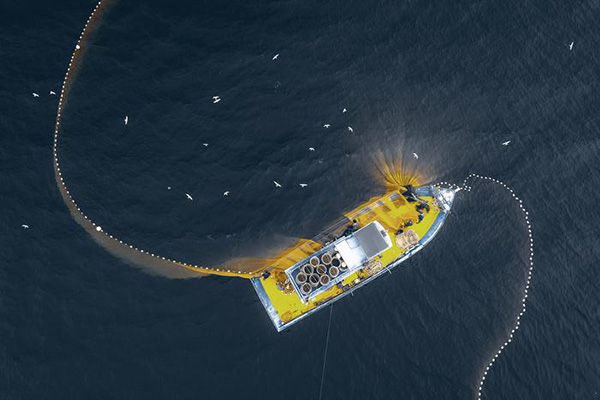
Can an underwater artificial intelligence bot detect IUU fishing?
A new underwater artificial intelligence bot could "revolutionize" ocean monitoring and IUU fishing identification, scientists say.
Fisheries
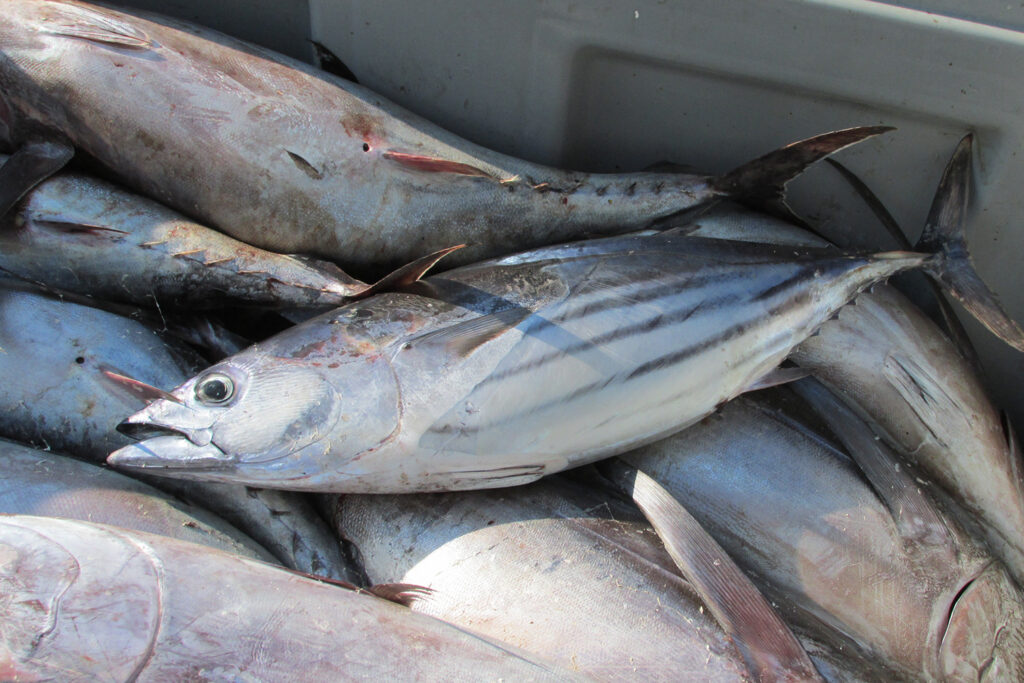
African desert dust influences migrations and fisheries of the Atlantic skipjack tuna
Study's findings change our understanding of the influence of atmospheric dust on marine ecosystems and on the management of fisheries.

Intelligence
‘Through science, there’s no question’: How evidence-based transparency is changing seafood traceability
ORIVO, a science-based testing and certification service for the global feed and supplement industry, aims to change seafood traceability.
Fisheries
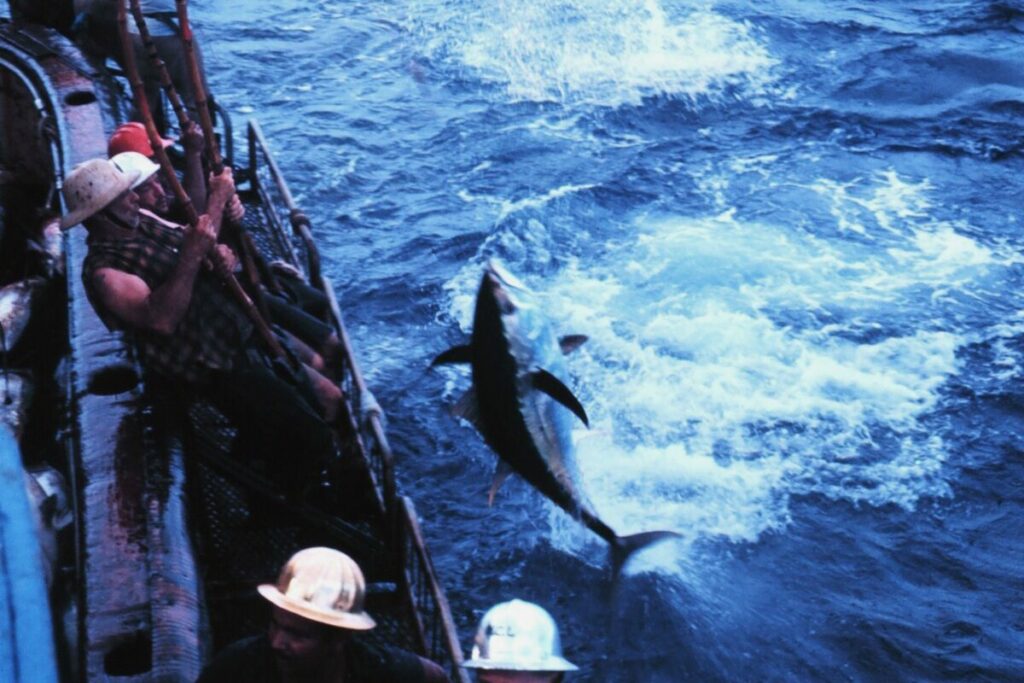
Fishing effort dynamics around the Galápagos Marine Reserve as described by Automatic Identification System data
Spatial and seasonal data are essential to understanding fishing effort dynamics and improving fisheries management in less-studied areas.