


Biogeographic and nutrient data for the world’s fishes identifies ideal portfolios of seafood consumption for every country

Findings underscore how global declines in fish biodiversity are eroding opportunities to improve sustainability
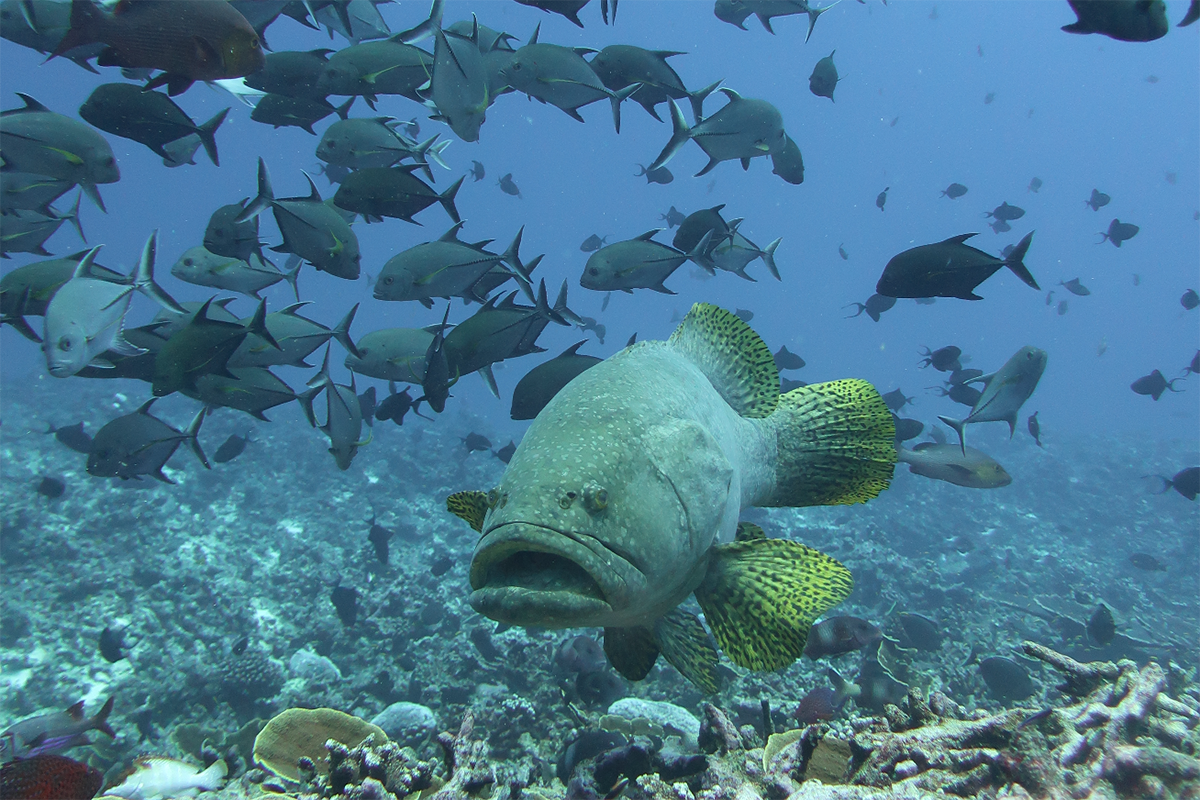
U.S. researchers have demonstrated that, globally, greater fish biodiversity increases the opportunities to fulfill multiple nutritional requirements, even with a lower fish biomass.
This benefit arises through complementarity among species; portfolios of complementary species provide more than 60 percent more nutrients than the same biomass of the most nutrient-rich species.
Additionally, biodiverse fisheries allow harvest apportionment towards species with traits that improve fishery resilience (for example, small size, low trophic position) and offer greater redundancy, whereby a broader range of comparably nutritious species is available.
The study – authored by Drs. Sebastian A. Heilpern, Franz W. Simon, Suresh A. Sethi, Kathryn J. Fiorella, Alexander S. Flecker, Carla Gomes and Peter B. McIntyre from Cornell University (Ithaca NY, USA) – discusses an investigation using an allocation optimization approach using biogeographic and nutrient data for the world’s fishes to identify ideal portfolios of species for consumption in every country.

“Biodiversity in fisheries, by which we mean the number and variation of fishes that humanity draws upon for consumption, can provide for opportunities to meet human nutritional requirements with less amount of fish biomass,” corresponding author Dr. Heilpern told the Advocate. “This is important because fisheries overexploitation is driving biodiversity loss across Earth’s freshwater and marine systems. But more biodiversity means more opportunities to make better decisions for nutrition and ecosystems. It also turns out that people in places that have higher biodiversity are also more reliant on fisheries. So the opportunities afforded by biodiversity are highest where they are most needed.”
The benefits of robust biodiversity are multilayered and do not imply that only species identified as optimal would lead to the same results. This study shows how conserving biodiversity can contribute to better nutrition from and resilience in fisheries. Indeed, greater resilience of biodiverse fisheries food systems results from the characteristics of species identified as nutrient-rich, the broader range of redundant species available, greater response diversity and reduced aggregate harvest biomass.
Similar biodiversity benefits emerge even when species are selected randomly from the global pool of food fishes, indicating that these results are a vigorous feature of biodiversity rather than being specific to the species available in each country. Accordingly, biodiversity loss could forgo the sustainability and nutritional opportunities offered by biodiversity. Beyond availability, realizing the benefits of fish biodiversity will depend on whether high-nutrition species are palatable to consumers.
Consumers exhibit diverse preferences for specific fish, even within the same geographical region or ecosystem, and consumed fish portfolios typically represent only a small subset of available fish biodiversity. Additionally, preparation methods (for example, eating fish whole or filleted) also vary and can affect nutrient intake. However, consumer preferences are not fixed and have shifted over time, with larger, less nutritious and more vulnerable species becoming more frequently preferred.
Market data and choice experiments can help evaluate consumer willingness to adopt healthier and more resilient diets and provide species-level information for preference-sensitive dietary optimization approaches. Significantly, these would provide the basis for developing culturally appropriate dietary recommendations that emphasize the nutritional benefits of a portfolio approach for progressing both public health and conservation objectives in fisheries.
With the global human population expected to exceed 9 billion, decoupling food production from its environmental impacts is a major sustainability challenge. Wild fisheries will remain a central component of global food systems, but overexploitation is transforming aquatic ecosystems. Study analyses show that countries with high fish biodiversity and dependence on fisheries are best positioned to achieve nutritional needs with resilient species and underscore four principles for biodiversity’s role in sustainable food systems.
“Our analysis underscores that conserving fish biodiversity can improve nutrition and fishery resilience while reducing harvest pressure on already-stressed aquatic ecosystems,” report the study authors.
First, the benefits of complementarity scale with the size of the available species pool. Fishes embody a subset of the diversity of food species that humans depend on, including plants and other animals. However, weak correlation among nutrient content is universal across taxonomic groups, and principles of complementarity apply to other food species. Growing the approach to include other foods could identify when and where the unique nutritional role of fishes can best complement the broader biodiversity represented within food systems.
Second, the benefits of biodiversity for resilience are enabled by greater trait diversity. Reducing the vulnerability of fisheries to global environmental change is paramount for ensuring stable and healthy food supplies. By promoting redundancy and response diversity, conserving biodiversity can augment fishery resilience to exploitation, climate change and other stressors. Maintaining trait variation in food systems, and leveraging opportunities to increase it, such as with strategic trade or alternative foods, could further develop resilient food systems.
Third, the benefits of biodiversity increase with the number of nutrients considered. The study’s focus on fish biomass and a set of crucial nutrients shows how biodiversity reduces the harvest intensity required to concurrently achieve multiple dimensions of nutrition. Fishes are not merely potential food for people; they facilitate many other ecosystem services and functions, from carbon cycling to energy fluxes through food webs. Consequently, considering other functions and services beyond nutrition will probably augment the potential to leverage complementarity and redundancy for food system sustainability.
Fourth, fish biodiversity and its benefits for humans are not consistently distributed across the planet but reflect deep-rooted biogeographical patterns. The most biodiverse regions are those where people strongly depend on fisheries but where diets are changing. The overlapping geography of biodiversity, fish dependence and dietary transitions reveals the importance of custom-made interventions that both conserve and leverage biodiversity to maximize the contributions fisheries make to people.
“Ultimately, our findings underscore how global biodiversity declines are eroding opportunities to harness fish biodiversity for fisheries sustainability. Nearly one-sixth of fishes are threatened with extinction, primarily because of overexploitation. While many of these vulnerable species might not be optimal, the nutritional and resilience opportunities biodiversity provides exist only with rich standing fish faunas. Hence, these interconnections between nutritional and sustainability goals provide ample reasons to redouble efforts to conserve the biodiversity of fishes across Earth,” concluded the authors.
Now that you've reached the end of the article ...
… please consider supporting GSA’s mission to advance responsible seafood practices through education, advocacy and third-party assurances. The Advocate aims to document the evolution of responsible seafood practices and share the expansive knowledge of our vast network of contributors.
By becoming a Global Seafood Alliance member, you’re ensuring that all of the pre-competitive work we do through member benefits, resources and events can continue. Individual membership costs just $50 a year.
Not a GSA member? Join us.
Author
-

Editor Emeritus
Related Posts

Intelligence
A seat at the table: Fed By Blue team says aquaculture needs a stronger voice
In Fed By Blue, star power and a women-led production team aim to prop up farmed seafood with a focus on the message: Blue foods are the future.

Aquafeeds
A singular focus: Making single-cell proteins a fixture on the aquaculture feed ingredient menu
Fish nutrition expert Louise Buttle of dsm-firmenich talks about the potential of adding nutrition-packed single-cell proteins to aquafeeds.

Intelligence
‘Traceability matters’: FAIRR on seafood, sustainability and the Blue Food Innovation Summit
FAIRR’s Laure Boissat discusses seafood traceability, sustainability and investor impact ahead of her panel at the Blue Food Innovation Summit.
Fisheries
Can marine protected areas provide biodiversity advantages in well-regulated fisheries?
Whether marine protected areas increase biodiversity depends on the presence of highly sensitive species and on management priorities.