


V-notching awareness campaign highlights responsible Maine lobster fishing technique

Efforts are underway to promote a conservation technique that can help to safeguard the future of lobsters
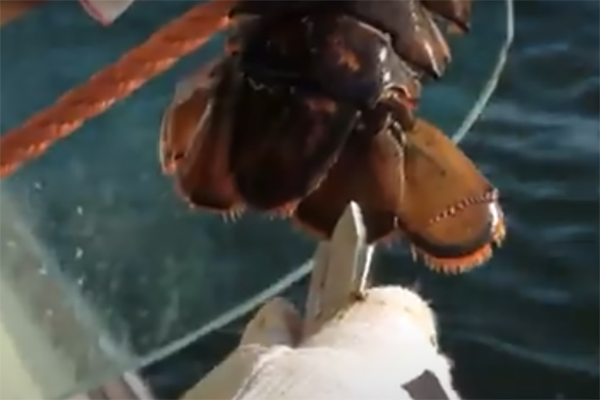
The Maine Lobstermen’s Association (MLA) and the New England Fishermen’s Stewardship Association (NEFSA) have launched an awareness campaign to promote a key conservation measure among lobstermen.
V-notching is a practice used in lobster fisheries to protect egg-bearing females by keeping them where they belong, in the ocean.
It involves cutting a small, harmless V-shaped mark on the outer corner of the tail fans of female lobsters before returning the lobsters to the water. This makes them easily identifiable to other fishermen that they are protected breeders that should not be landed or sold.
The practice helps to keep lobster populations healthy by allowing breeding females to continue producing eggs. It also contributes toward the long-term sustainability of lobster fisheries and provides a valuable resource for future generations by ensuring a continued supply of lobsters. The idea is that female lobsters bearing eggs are more valuable being protected rather than harvested.
![Ad for [membership]](https://www.globalseafood.org/wp-content/uploads/2025/07/membership_web2025_1050x125.gif)
Although v-notching became mandatory in Maine in 2002, lobstermen have been voluntarily using this simple but powerful technique for decades. Studies show that it’s an extremely effective practice that makes lobsters produce significantly more eggs. This is important, since it is estimated that less than 1 percent of lobster eggs survive to become legal-sized lobsters.
The MLA and NEFSA are promoting v-notching together, in line with the Maine lobster fishery’s international reputation for environmental stewardship. Videos, tools and essential information will be shared throughout the season through direct outreach, social media, and a new resource hub at vnotch.info. MLA and NEFSA will be working to keep the focus on v-notching, especially in places such as co-ops, wharves and buying stations. Both anticipate that the campaign will run through November.
“Maine lobstermen have been v-notching proven breeders as a tool to keep the lobster stock healthy for many decades. It’s common sense,” said Jarod Bray, chairman of the MLA board of directors. “Ensuring an egged female has a chance to breed again is like putting money in the bank. This investment is a way to ensure that the fishery is healthy for the next generation.”
“Maine lobstermen have ably stewarded our resource for decades,” added NEFSA COO Dustin Delano, a fourth-generation lobsterman. “As regulators get more active in our fishery, it is critical that lobstermen lead by example and underline our commitment to best sustainability practices. After all, no lobsterman wants to catch the last lobster.”
Now that you've reached the end of the article ...
… please consider supporting GSA’s mission to advance responsible seafood practices through education, advocacy and third-party assurances. The Advocate aims to document the evolution of responsible seafood practices and share the expansive knowledge of our vast network of contributors.
By becoming a Global Seafood Alliance member, you’re ensuring that all of the pre-competitive work we do through member benefits, resources and events can continue. Individual membership costs just $50 a year.
Not a GSA member? Join us.
Author

Related Posts
Innovation & Investment
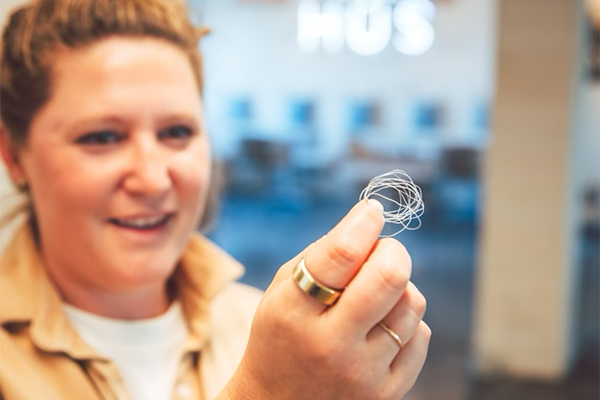
‘Everyone is going to need a lot of seaweed’: Maine-based seaweed polymer innovator wants fisheries and aquaculture to quit plastics
Viable Gear Founder Katie Weiler joined the Advocate and Aquademia to discuss making lobster bait bags and other products with a seaweed polymer.
Intelligence
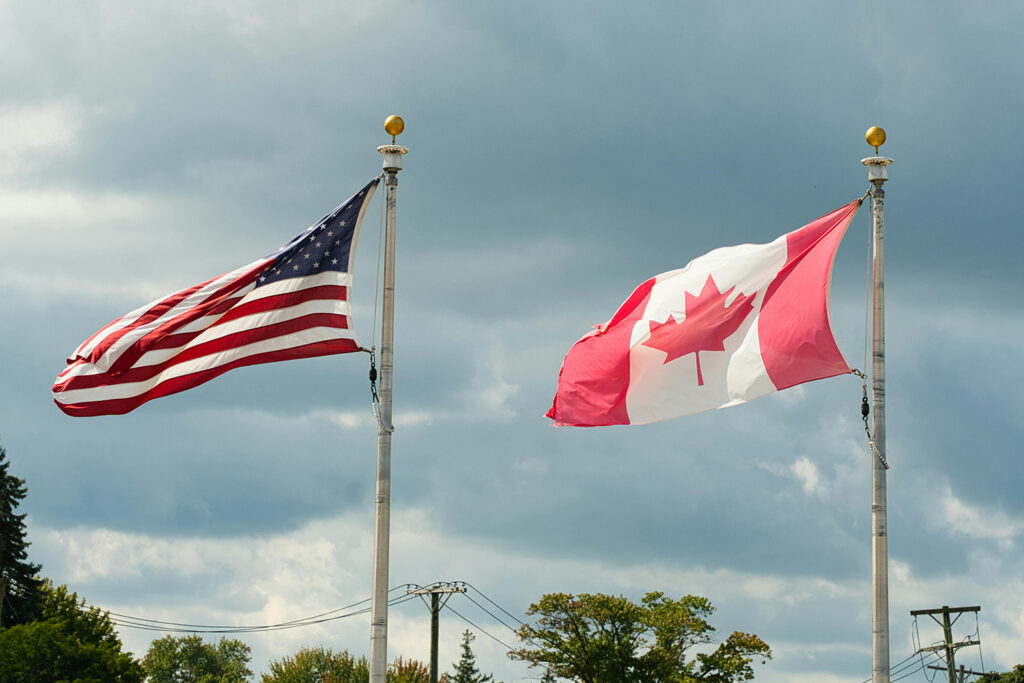
Will the tariff tiff tear at the fabric of Canada-U.S. seafood trade?
As Trump tariffs loom, the U.S.-Canada seafood industry faces rising costs, job losses and supply chain chaos, forcing leaders to act fast.
Fisheries
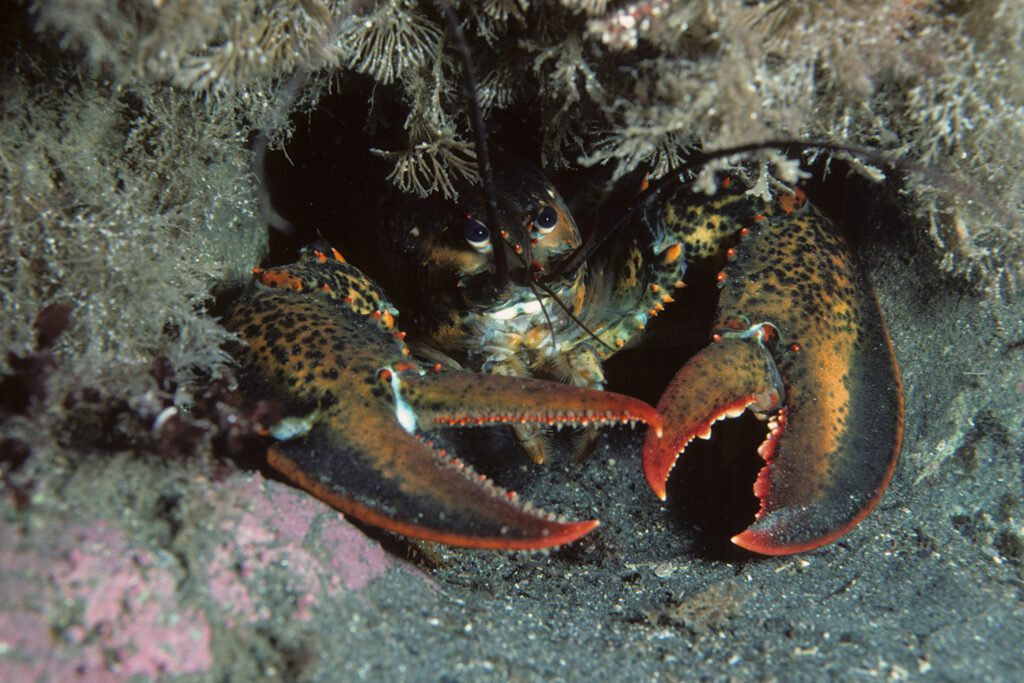
Developing image-based methods to incorporate fishery-collected data for American lobster stock assessment
Image-based method to estimate the length of American lobsters provides high-quality data and helps engage fishermen in fishery management.
Responsibility
Maine lobster industry speaks out against Seafood Watch ‘red-listing’
Seafood Watch urged consumers to avoid products from the Canadian snow crab and U.S. lobster fisheries, due to right whale entanglement risks.