Aquafeeds
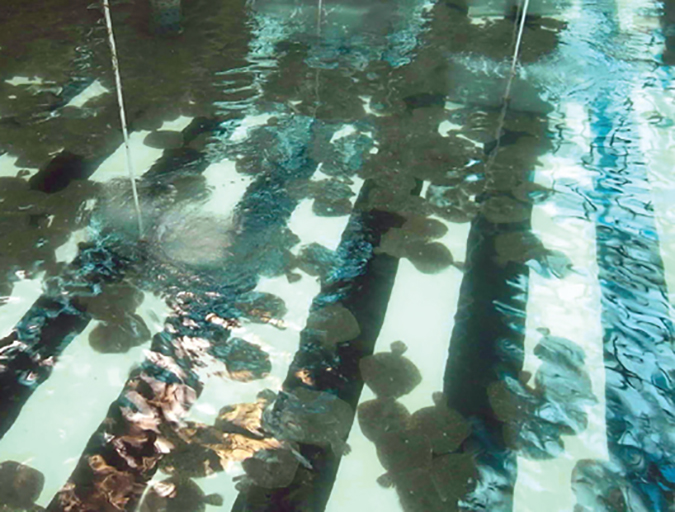
Turbot growth performance on soy-based feeds
Turbot are typically fed diets containing 45 to 65 percent fishmeal. In a study that gave turbot feed with 40 percent soy protein concentrate, the fish had decent growth and excellent survival.



Innovation & Investment
China, the world’s largest producer of farmed fish, represents a huge opportunity for the Global Aquaculture Alliance and its Best Aquaculture Practices certification scheme. GAA’s Steve Hart talks about the inroads the organization has already made and how he can leverage his background in the soy industry.
Aquafeeds
Turbot are typically fed diets containing 45 to 65 percent fishmeal. In a study that gave turbot feed with 40 percent soy protein concentrate, the fish had decent growth and excellent survival.

Innovation & Investment
To help produce high-quality aquaculture feeds, the U.S. Soybean Export Council spearheaded the Asian Aquaculture Feed Formulation Database project, designed as a reference tool for individuals involved in feed formulation, ingredient purchasing, quality control and research.
Aquafeeds
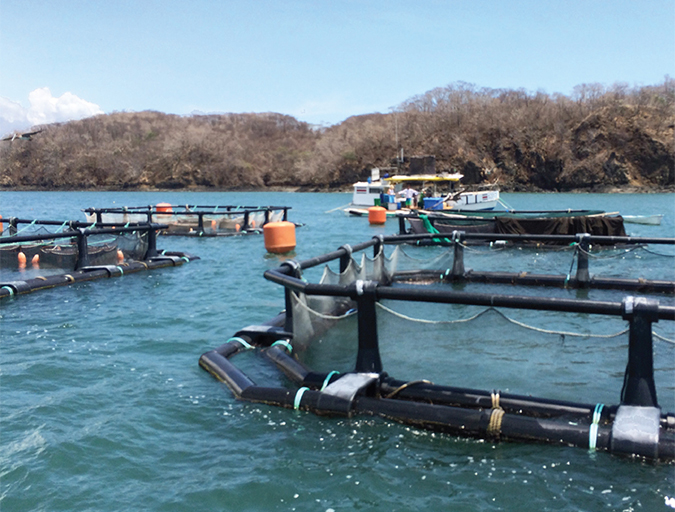
A feeding demonstration in Costa Rica evaluated the partial replacement of fishmeal in diets for spotted rose snappers with soy protein concentrate (SPC). It found no significant difference between the performance of fish fed an SPC-based diet and those that received commercial fishmeal-based diets.
Aquafeeds
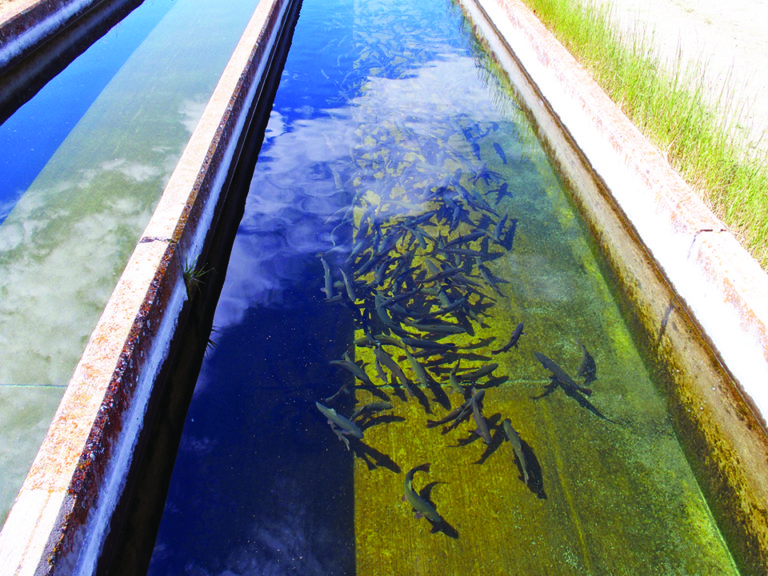
Reduced performance in fish fed high-soy feeds has been blamed on antinutrients, low methionine content and palatability issues. Pretreatment to inactivate anti-nutritional compounds and supplementation with amino acids improves soy-based feed performance, but not to control levels.
Aquafeeds
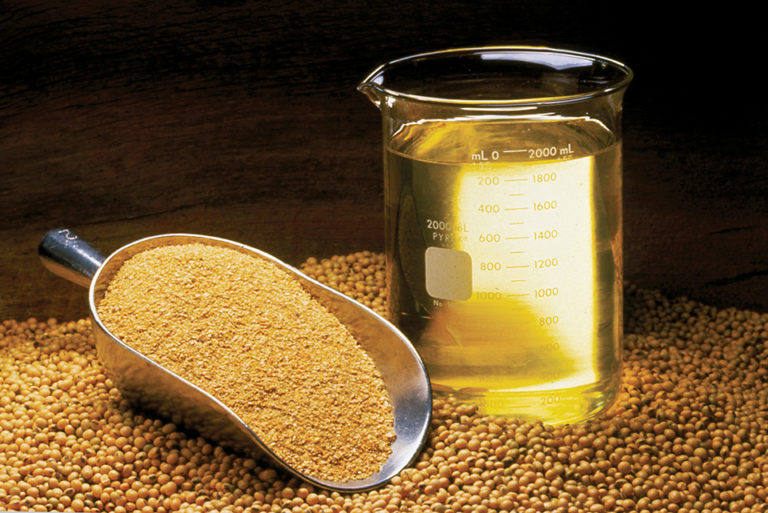
Although today’s soybeans offer many benefits, farmers can also plant alternatives, sometimes on the same farms that raise genetically modified beans. Organic beans meet specific market demands, and a conventionally bred non-GMO bean has been developed for use in aquafeeds for carbohydrate-intolerant marine fish.
Health & Welfare
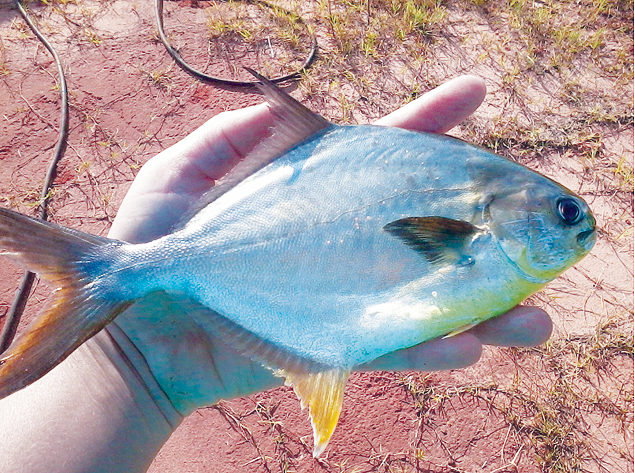
The authors have achieved good growth using a fishmeal-free diet for the carnivorous marine fish Florida pompano. In studies, they used pompano as a model marine species in a cost/benefit analysis of two extruded diets.
Health & Welfare
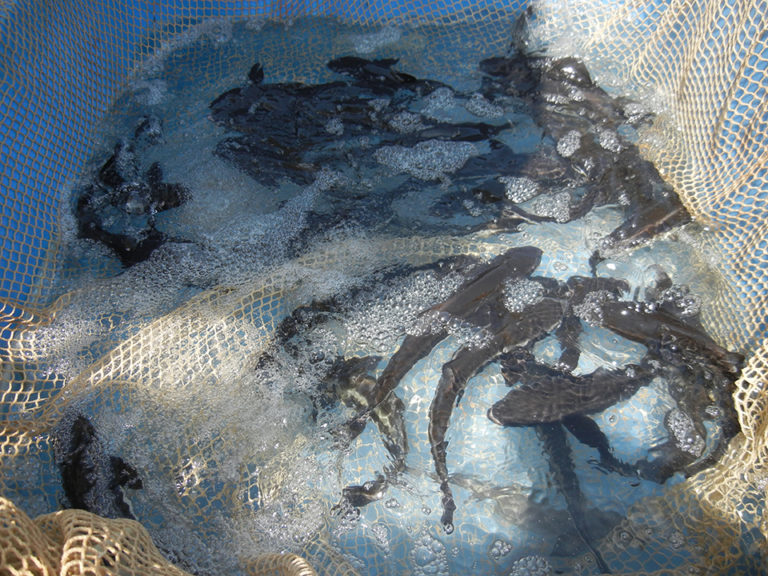
A project of the Soy-in-Aquaculture program evaluated the feasibility of using soy protein concentrate and soybean meal to replace fishmeal in cobia diets.
Health & Welfare
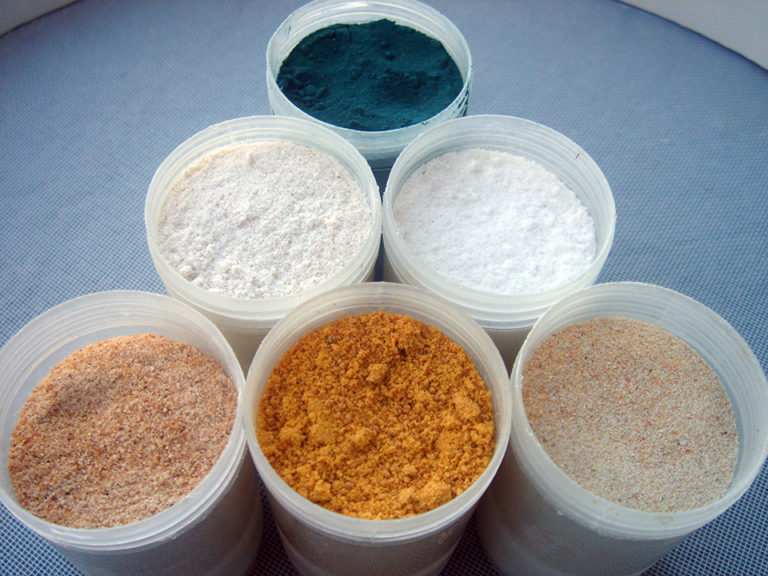
A study evaluated Pacific white shrimp given plant protein-based diets with varied lipid content and soybean meal:soy protein concentrate ratios.
Aquafeeds
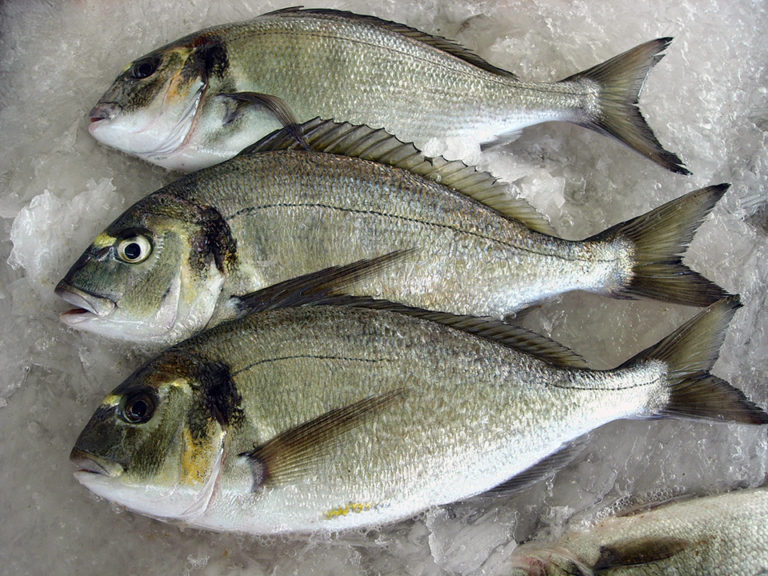
A laboratory study indicated gilthead sea bream can be grown on feeds in which fishmeal and fish oil levels are reduced from traditional values using soy products.