Health & Welfare
Pacific oyster selective breeding in Australia
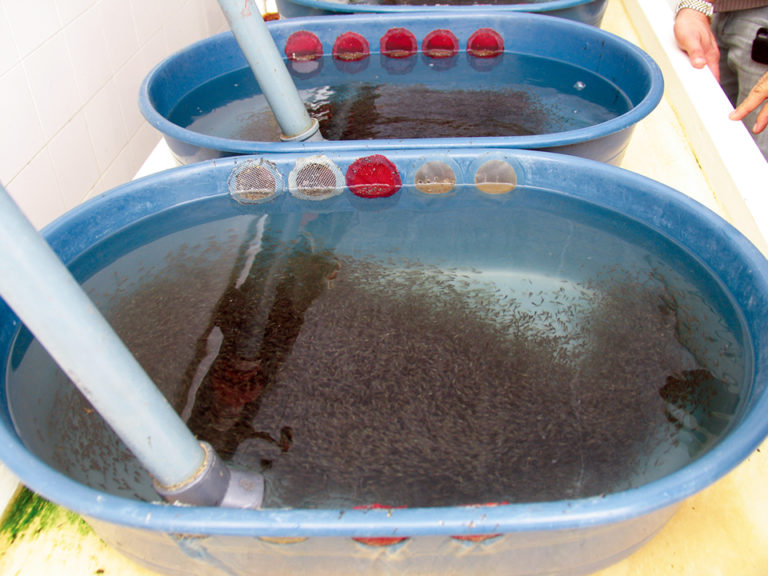
A partnership between CSIRO and the Australian seafood industry has significantly improved the selective breeding of Australian Pacific oysters.
Health & Welfare
Although not universally practiced, the potential benefits of selective breeding in aquaculture outweigh all other options for improving animal performance. The genetic potential of aquaculture animals is plastic and can be improved over a relatively short timeframe.
Health & Welfare
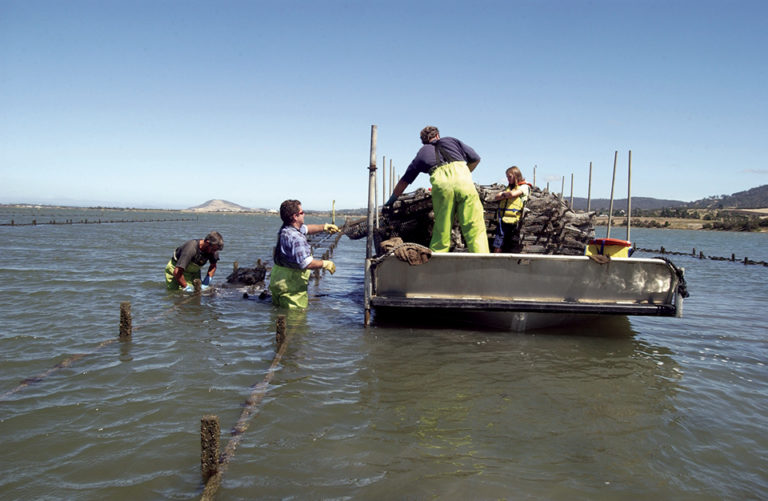
A partnership between CSIRO and the Australian seafood industry has significantly improved the selective breeding of Australian Pacific oysters.
Health & Welfare
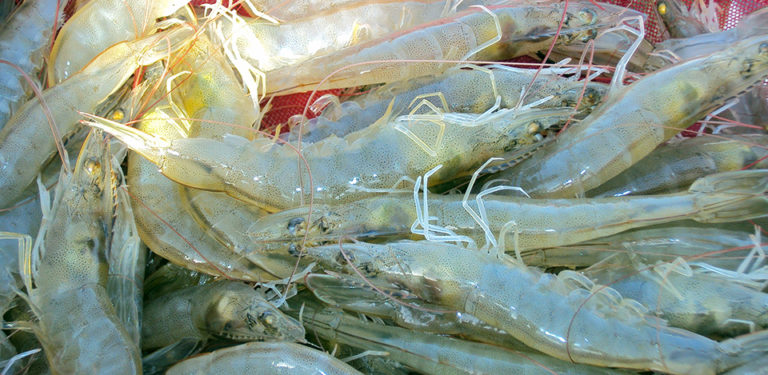
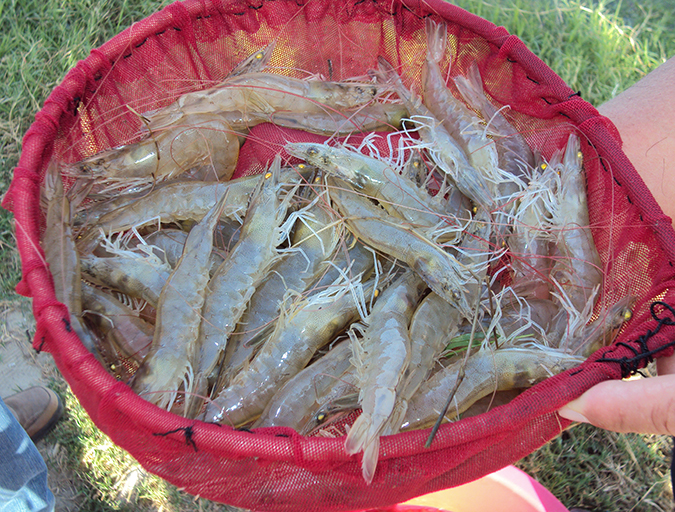
Achieving higher growth rates in shrimp can reduce risks, cut costs and increase economic opportunities. The amount of additional growth that is achievable is related primarily to shrimp genetics.
Health & Welfare
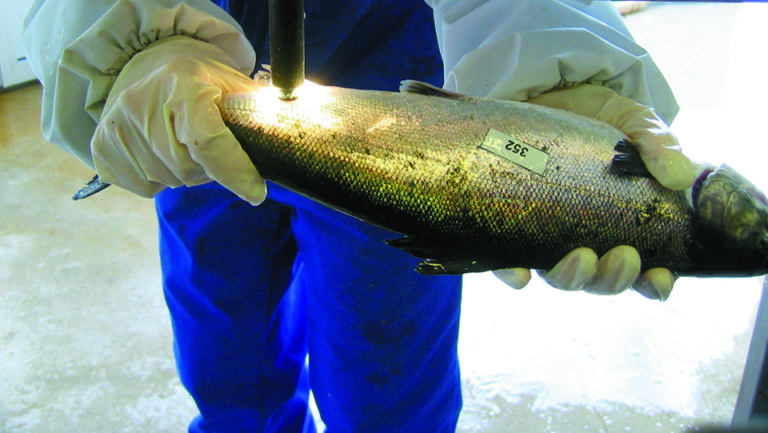
Successful non-invasive predictions of pigment and fat levels in whole salmon were demonstrated by the authors using visible and near infrared spectroscopy to study how these traits vary genetically during growth.
Health & Welfare
The foundation of a successful integrated aquaculture company is reliable production of healthy postlarvae. Methodical breeding selection of the offspring from carefully managed broodstock can lead to improved disease resistance and higher growth rates.
Health & Welfare
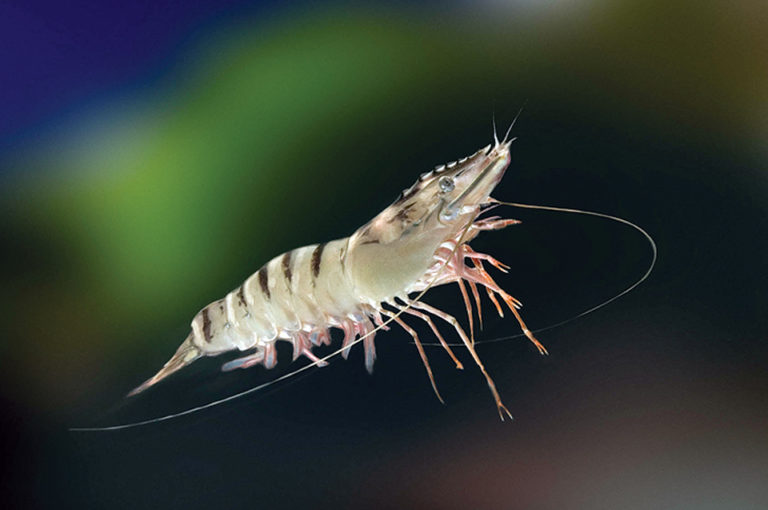
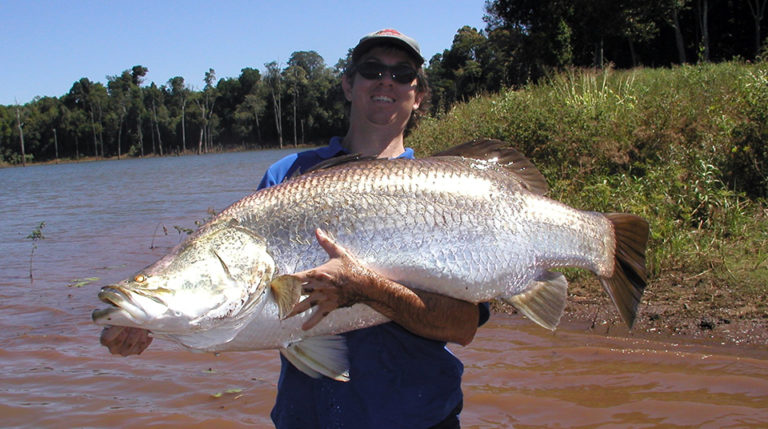
Using clear-water tank systems, CSIRO and a collaborating farm have advanced the domestication of black tiger stocks in Australia.
Health & Welfare
Stress hormone axes could be used as markers for selective breeding. Researchers see a negative correlation between weight gain and cortisol response to acute stress.
Health & Welfare
Research at YSFRI’s new Genetic and Breeding Center for Mariculture in Qingdao, China, has produced 180 full-sib and half-sib lines of fleshy shrimp.
Health & Welfare
Through selective breeding, genetic improvement programs can develop shrimp lines that exhibit commercially desirable traits like fast growth, disease resistance and overall hardiness.
Health & Welfare
Genetic improvements are designed to modify plants or animals for greater production performance in such targeted areas as growth or disease resistance.
Health & Welfare
Classical selective breeding may be the most effective and appropriate method to genetically improve marine fish aquaculture.
Health & Welfare
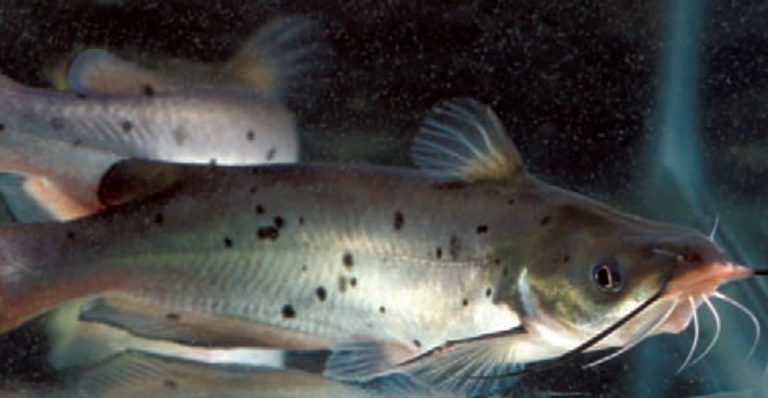
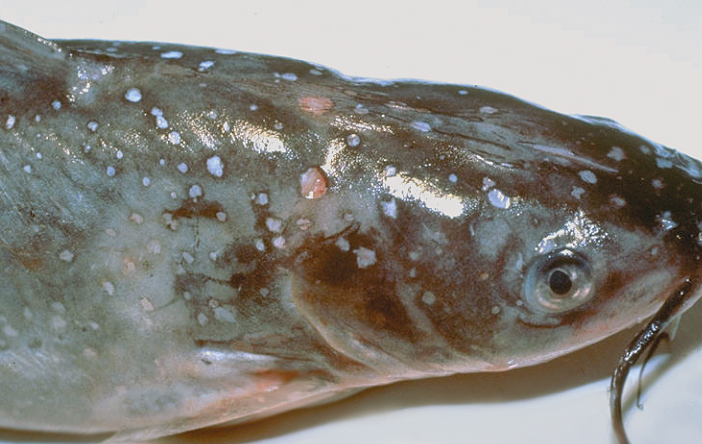
Sensitive detection of enteric septicemia is important to the successful development of a selective-breeding program for ESC resistance.
Health & Welfare
Article briefly describes the structure of family-based selective breeding and identifies areas where developments in genetics and related fields may increase efficiency.
Health & Welfare
If selective breeding is done for several traits simultaneously, the selection response for each will be reduced, as compared to single-trait selection.
Health & Welfare
New molecular biology technologies are complex and expensive but also strongly recommended for any genetic selection program in aquaculture.