Aquafeeds
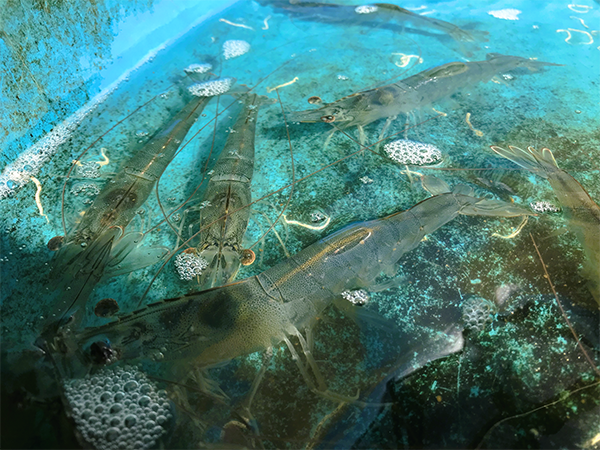
What are the optimal levels for fishmeal and methionine in juvenile shrimp diets?
A correct balance of fishmeal and dietary methionine has a critical effect on Pacific white shrimp growth performance and economic efficiency.


Aquafeeds
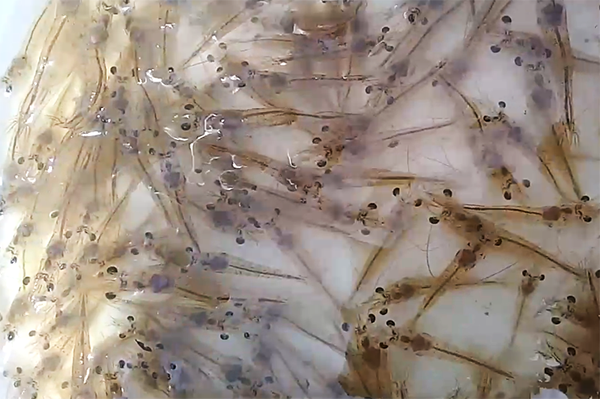
Replacing 10 percent of fishmeal with rice protein meal significantly improves digestibility, protein synthesis, antioxidant capacity and disease.
Aquafeeds
A correct balance of fishmeal and dietary methionine has a critical effect on Pacific white shrimp growth performance and economic efficiency.
Aquafeeds
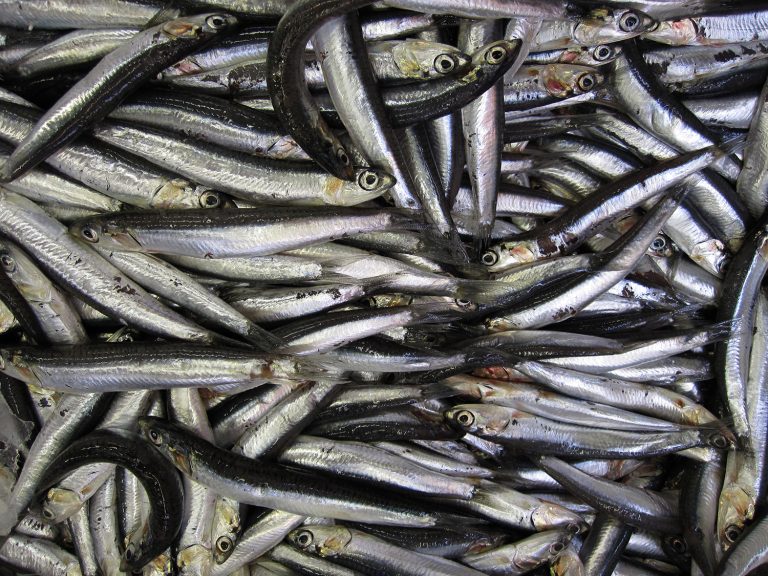
Marine ingredients are typically lower in environmental footprint vs. terrestrial ingredients but fisheries stock status must be considered separately.
Fisheries
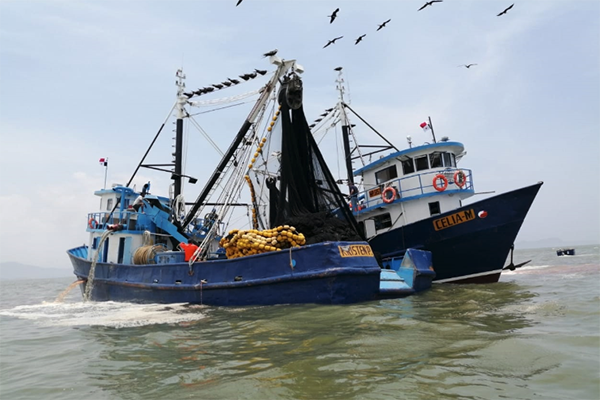
In a first, a fishery and its associated fishmeal and fish oil production sites earn MarinTrust certification via its improver program.

Aquafeeds
Taking a circular economy approach, a new Scoular fishmeal processing facility will upcycle local fish trimmings into aquafeed.
Aquafeeds
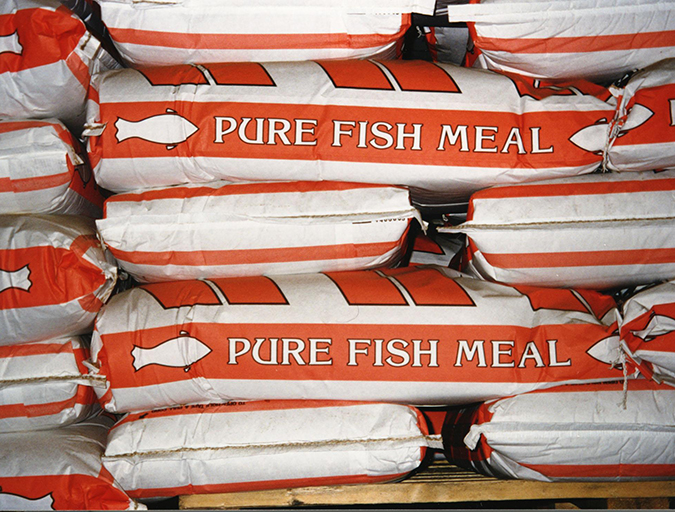
Deakin University study finds that just 3% of fishmeal and fish oil in farmed salmon diets could allow the industry to grow for the rest of this century.
Aquafeeds
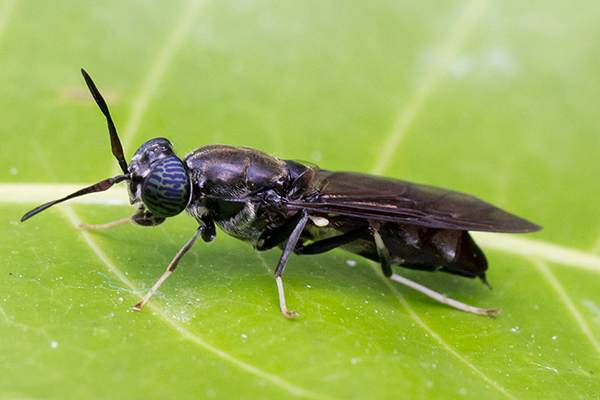
Results indicate it is feasible to achieve high levels of substitution of fishmeal with black soldier fly meal without risking a negative impact.
Aquafeeds
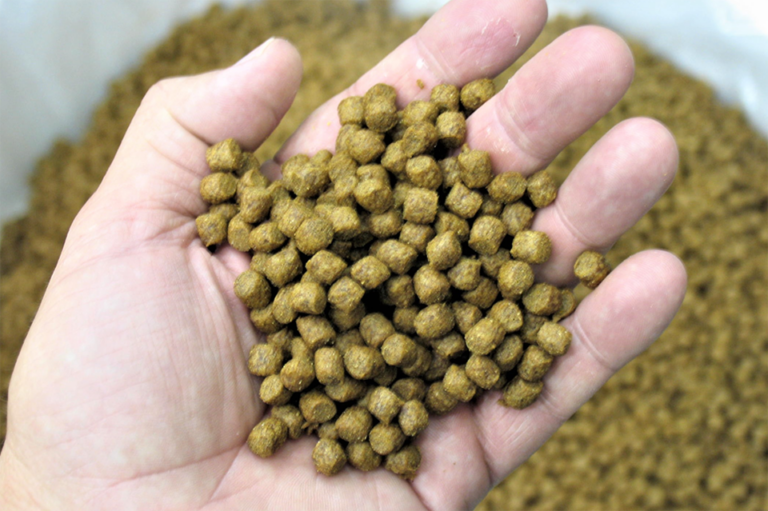
University of Stirling researchers say fed aquaculture efficiently utilizes traditional marine feed ingredients, refuting a recent published study.
Aquafeeds
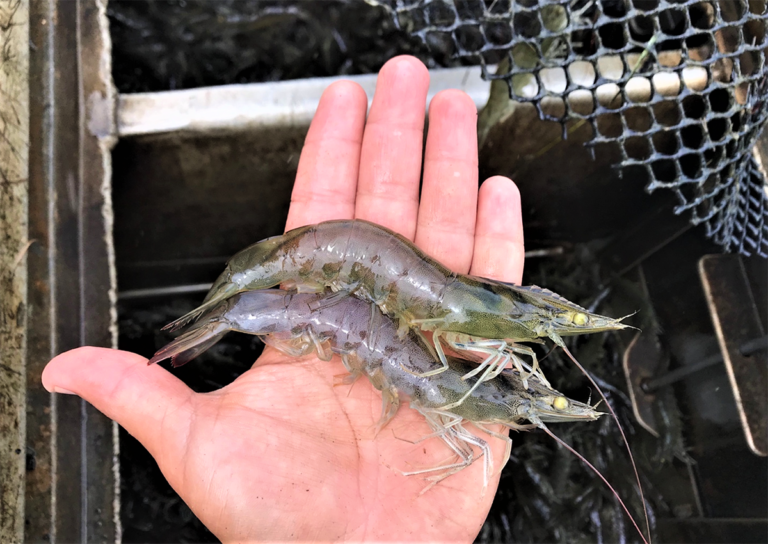
An evaluation of commercial feeds finds them adequate to achieve acceptable shrimp growth in outdoor production conditions regardless of protein source.
Aquafeeds
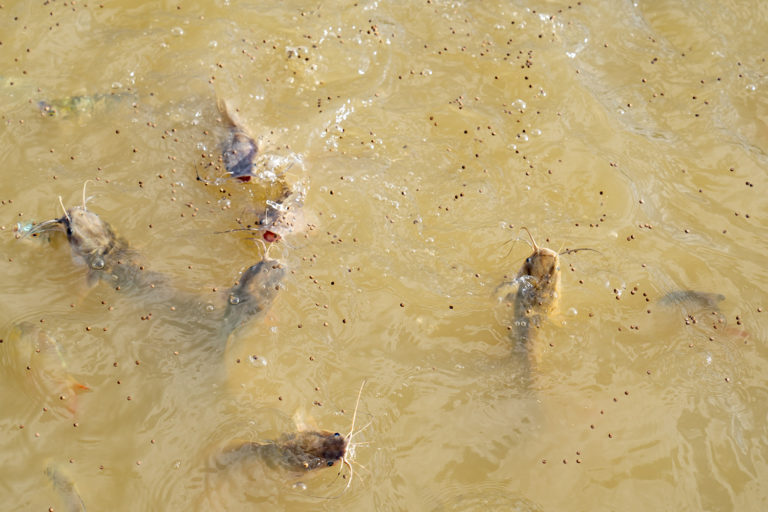
The warning about microplastics pollution is finding its way to aquaculture, as a new study finds contaminated samples of fishmeal, a prominent aquafeeds ingredient.
Aquafeeds
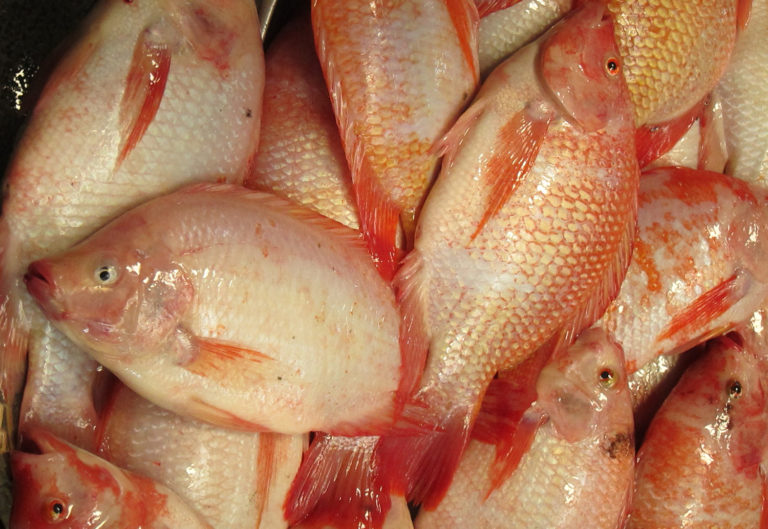
Nutritional study with Nile tilapia compared three microalgal diets to a reference diet containing fishmeal and fish oil levels found in commercial feed.
Aquafeeds
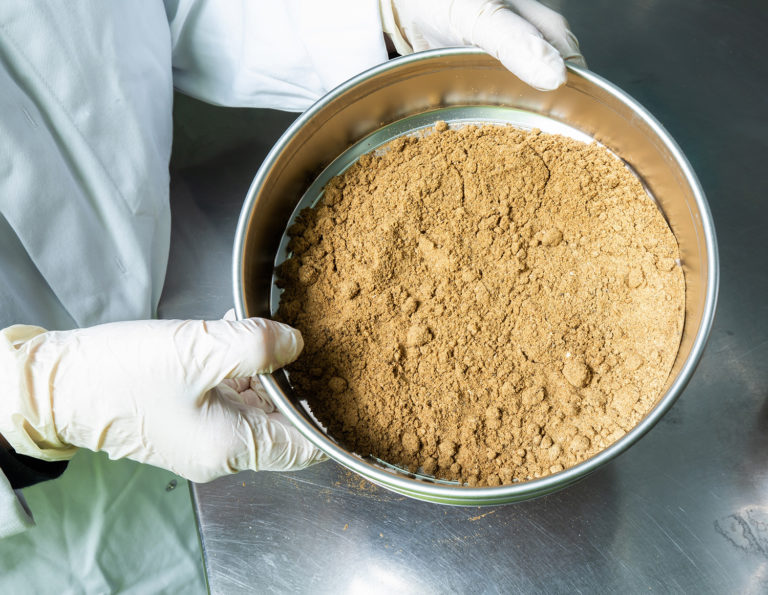
IFFO Director General Petter M. Johannessen says fishmeal and fish oil offer unmatched nutrition and benefits to fuel aquaculture’s growth trajectory.
Aquafeeds
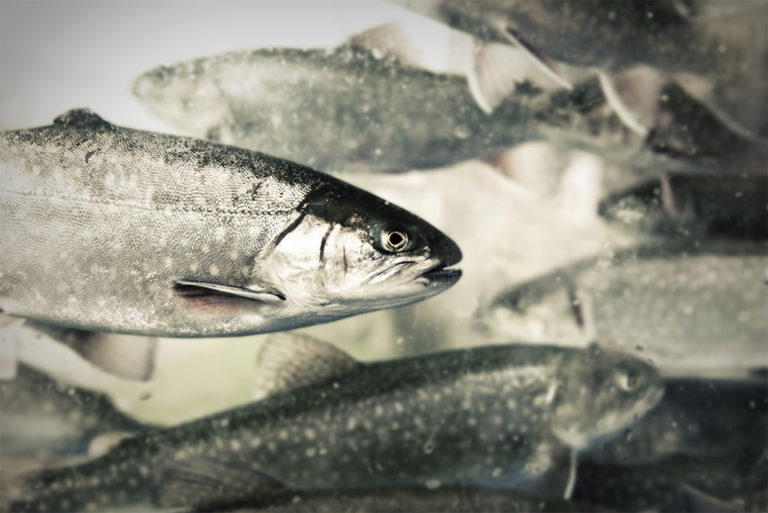
Kevin Fitzsimmons, leader of the F3 (fish-free feed) Challenge, says aquaculture may currently depend on fishmeal and fish oil, but farmed fish do not.
Aquafeeds
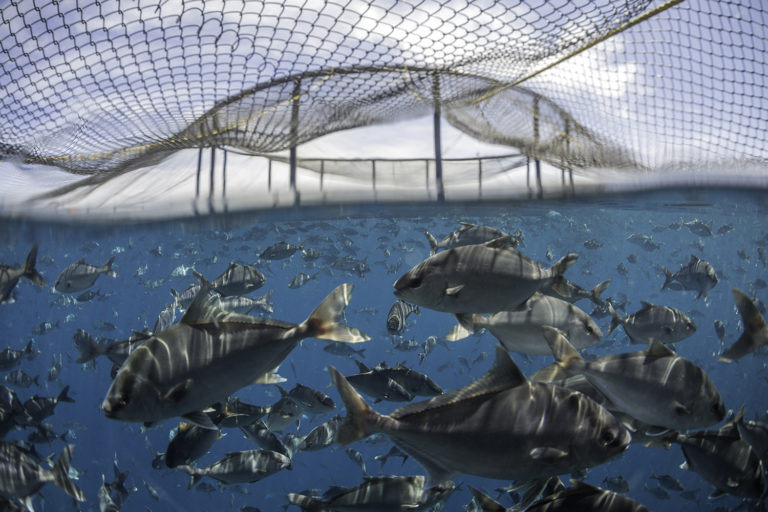
An evaluation of experimental juvenile kampachi (Seriola rivoliana) diets – with zero fishmeal or fish oil – finds significant potential.
Aquafeeds
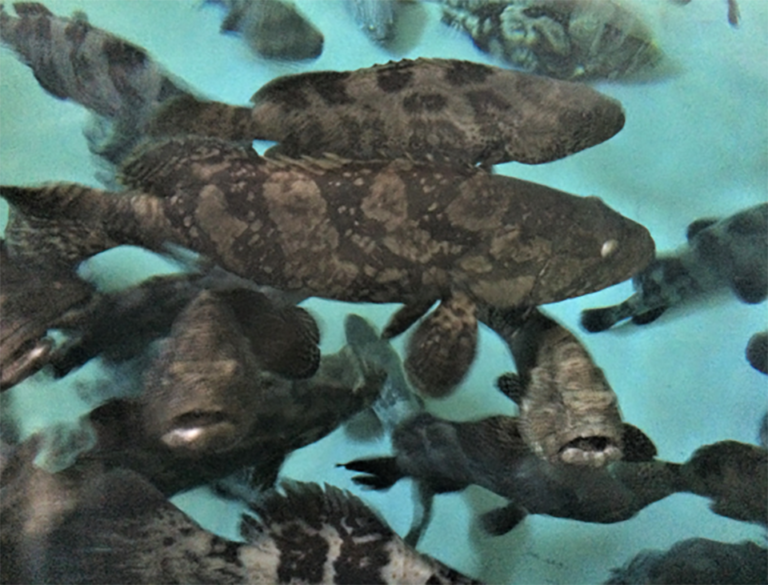
Evaluation of partial replacement of fishmeal with soy protein concentrate in diets for pearl gentian grouper, a hybrid of giant grouper and tiger grouper.
Aquafeeds
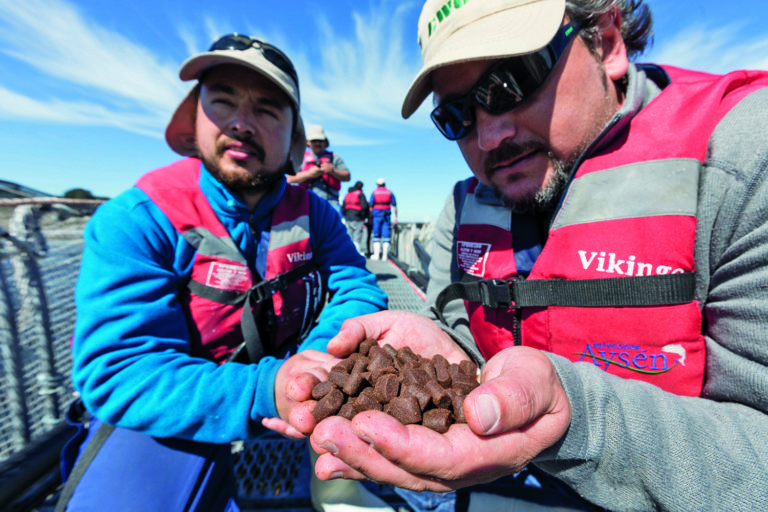
Use of fish trimmings and byproducts in fishmeal and fish oil is a win for aquaculture. But challenges loom, including logistics and economics.