Responsibility
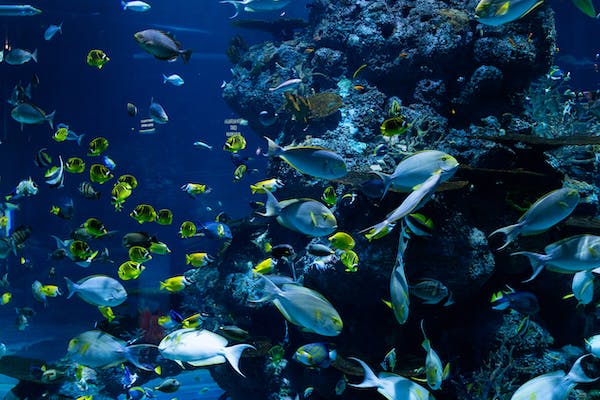
Study proposes ‘more realistic’ modeling for climate change impacts on marine ecosystems
A new global model pinpoints marine regions where extreme temperatures are likely to have particularly harmful effects from climate change.


Intelligence
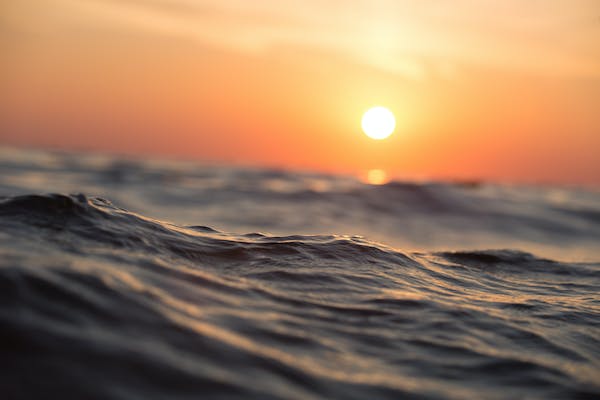
A new study has found that the ocean can store about 20 percent more carbon dioxide from the air than scientists previously estimated.
Responsibility
A new global model pinpoints marine regions where extreme temperatures are likely to have particularly harmful effects from climate change.

Responsibility
With most global seafood production vulnerable to the impacts of climate change, each sector faces unique adaptability obstacles and opportunities.
Fisheries
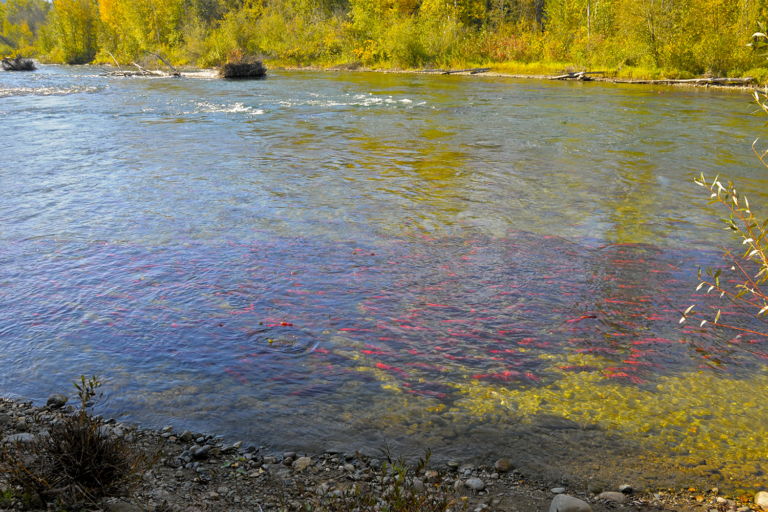
Focusing on the biocomplexity of fish reproduction in response to climate change, adaptive strategies can help mitigate reproductive risks.
Fisheries
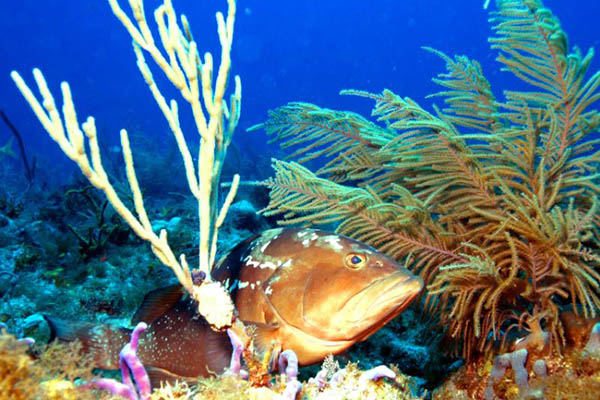
Certain fish species in the Gulf of Mexico and South Atlantic may be more vulnerable or resilient to climate change than others.
Responsibility
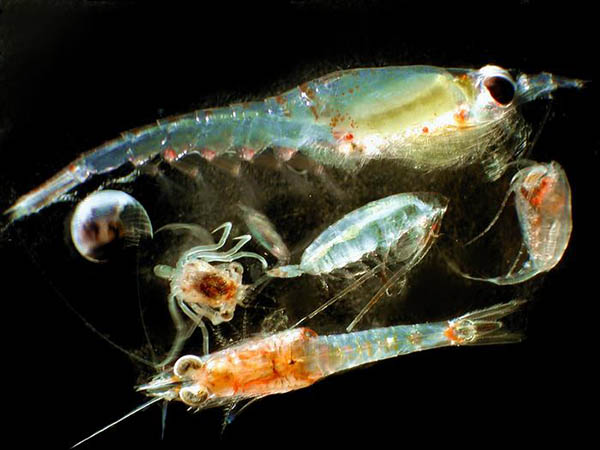
With ocean warming, sea creatures and commercial fishing fleets are migrating northward – potentially endangering Pacific right whales.
Fisheries
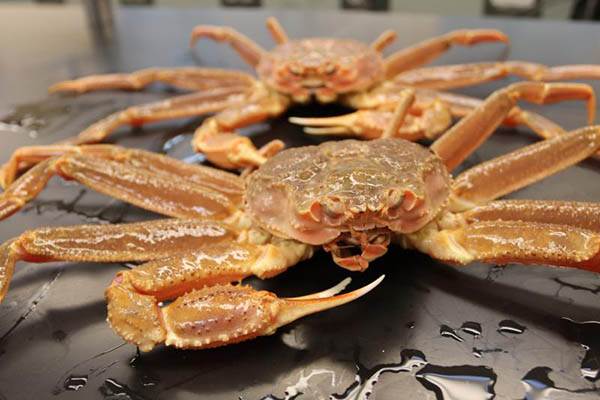
Starvation is most likely the cause of a mass mortality event during the eastern Bering Sea marine heatwave, according to NOAA scientists.
Responsibility
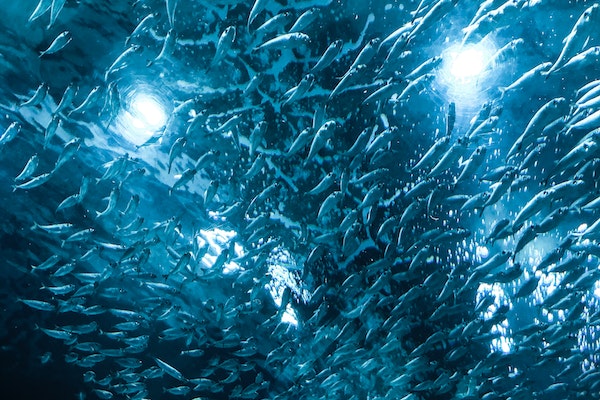
CSIRO determines that global warming above 2 degrees-C will decrease viable ocean habitats and will affect fishing grounds and productivity.
Responsibility
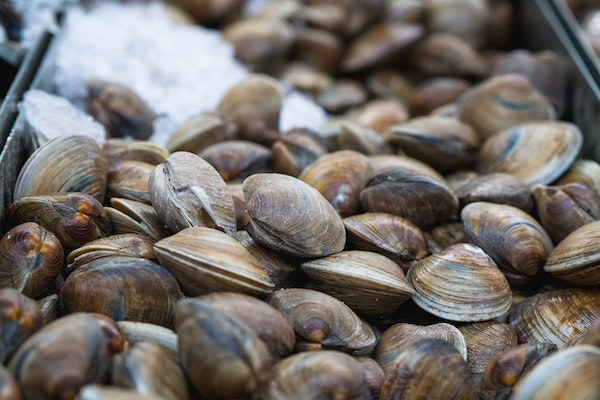
A study of almost 25 years of ocean acidification research concludes that experts in the field can have confidence in their research.
Responsibility
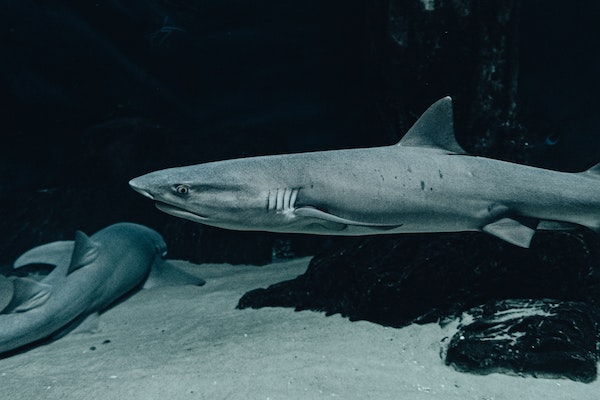
Researchers say sensors on fish can provide localized and timely data on environmental conditions impacted by climate change.
Fisheries
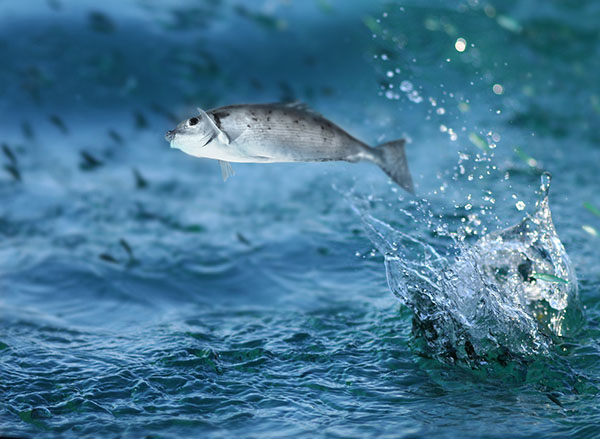
Some fish species are shrinking but future research must determine if overfishing, global warming and food availability are responsible.

Responsibility
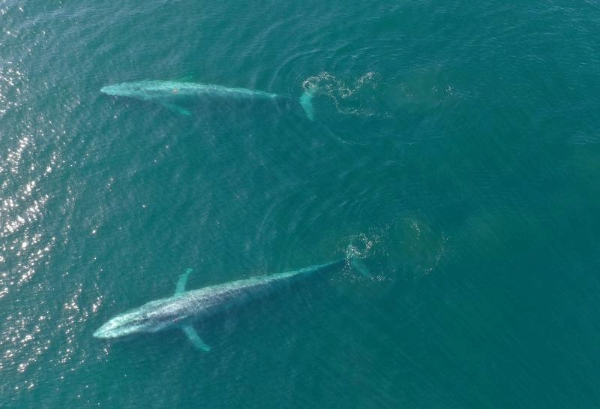
Seaweed farming can deliver economic and environmental benefits but is "significantly cost-disadvantaged," concludes a new TNC report.
Innovation & Investment
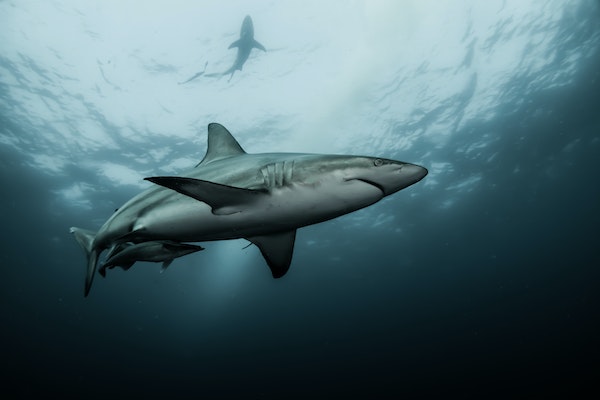
Scientists have developed an ocean management tool that provides real-time predictions of how top predators shift during marine heatwaves.
Fisheries
Tuna, billfishes and sharks in the Northwest Atlantic Ocean and Gulf of Mexico could lose 40 to 70 percent of their suitable habitat due to warming ocean water.
Responsibility
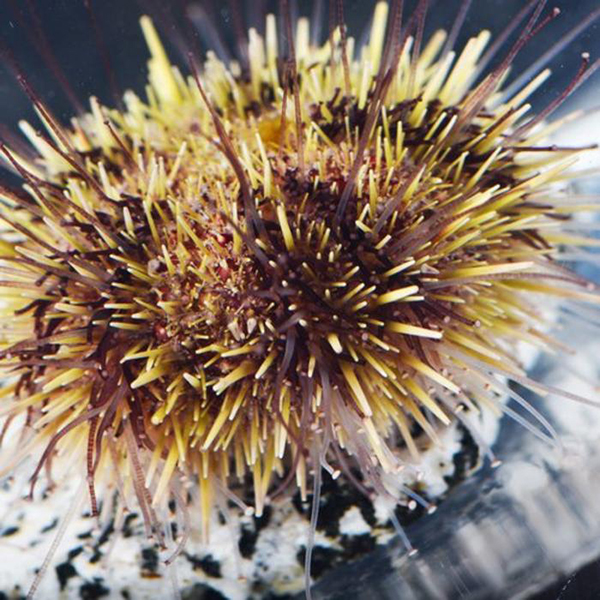
Biologists say sea urchins' adhesive abilities are hampered by differing levels of water salinity caused by climate change-associated events.
Responsibility
Climate change effects in marine-surface microbial ecosystems may be undetected because previous studies have taken other approaches.