Responsibility
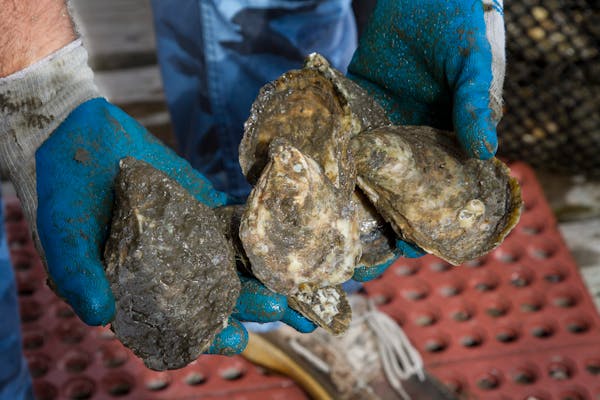
Sustainable mollusk farming project aims to boost food security in Asia
New global research initiative targets more sustainable, resilient mollusk farming in Asia amid climate and food security challenges.


Responsibility
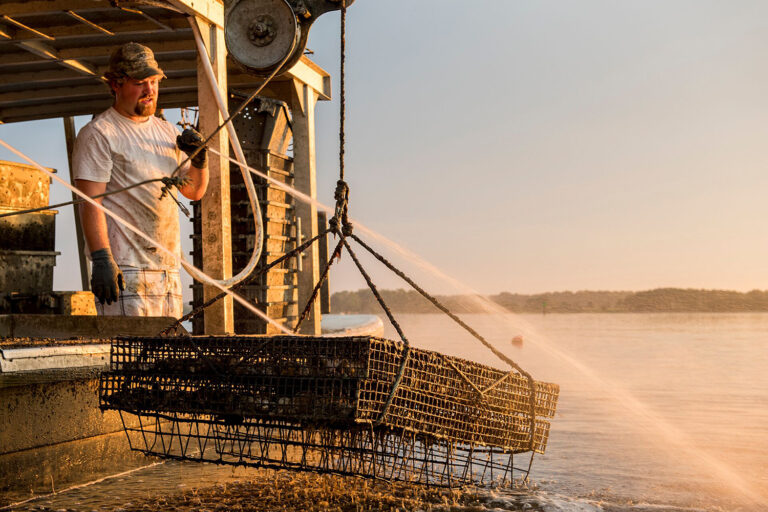
European researchers are investigating the prevalence of Vibrio, common bacteria in many types of shellfish, and identifying high-risk zones.
Responsibility
New global research initiative targets more sustainable, resilient mollusk farming in Asia amid climate and food security challenges.
Responsibility
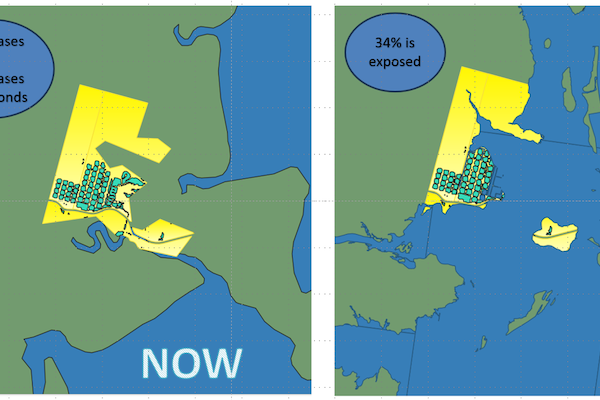
New research warns that more than 43 percent of Queensland’s aquaculture sites could be underwater by 2100 due to rising sea levels.
Fisheries
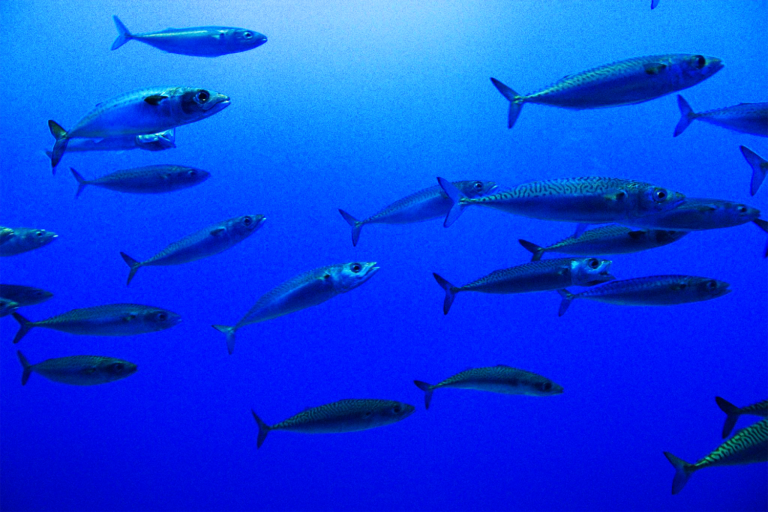
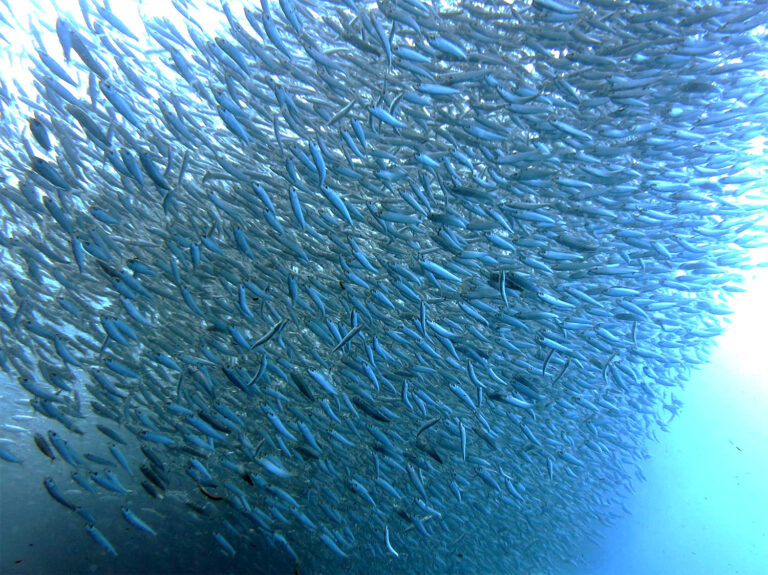
Study results can help estimate and predict chub mackerel distributions during early life stages, subsequent exploitable abundance and fishery production.
Fisheries
An understanding of the impacts of climate change and economic expansion on small pelagic fisheries offers insights for scientific fishing strategies.
Fisheries
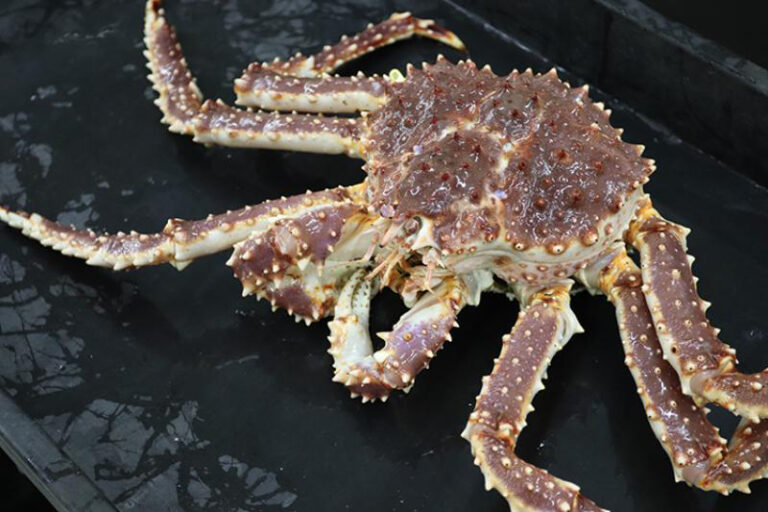
Using whole genome sequencing, researchers find substantial genetic diversity in king crabs, with up to six or seven genetically distinct populations.
Responsibility
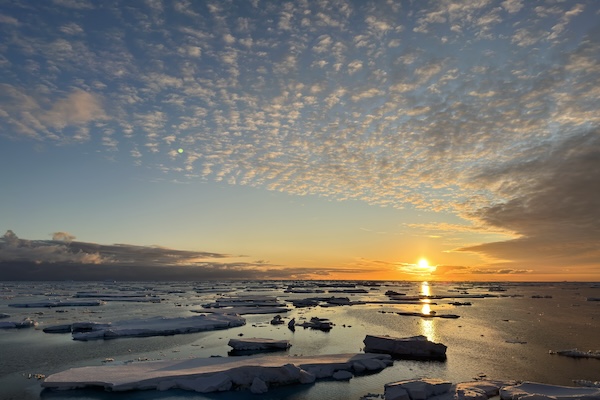
Ocean temperatures reached record highs in 2024, with deep ocean warming underscoring the urgent need for climate action.
Responsibility
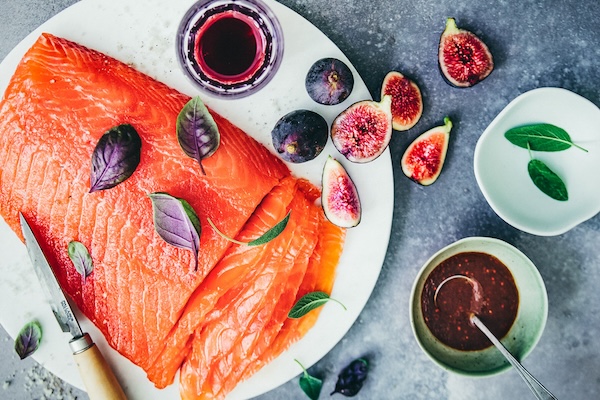
Boosting seafood consumption of local fish in the UK can improve health and meet climate goals, concludes a new study.
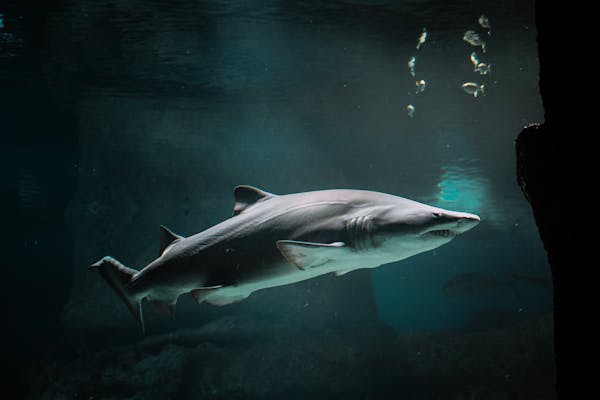
Fisheries
Overfishing, bycatch, habitat loss and climate change have caused a 50 percent decline in shark and ray populations since 1970, study finds.
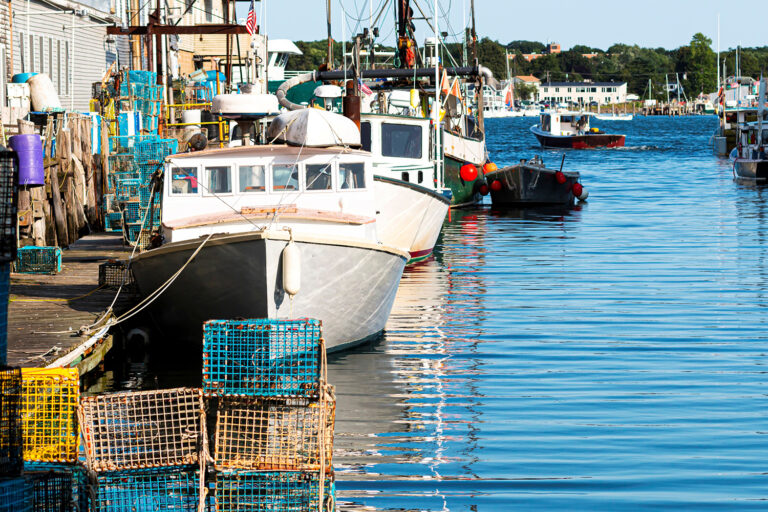
Fisheries
Warming oceans are causing major changes, yet some fish species, where the waters are most in flux, are showing climate resilience.
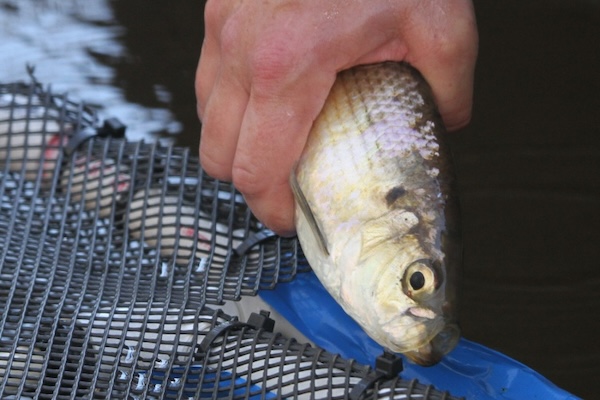
Fisheries
A new study uses acoustic telemetry to track aquatic species’ migrations, providing vital data for fisheries and marine conservation.
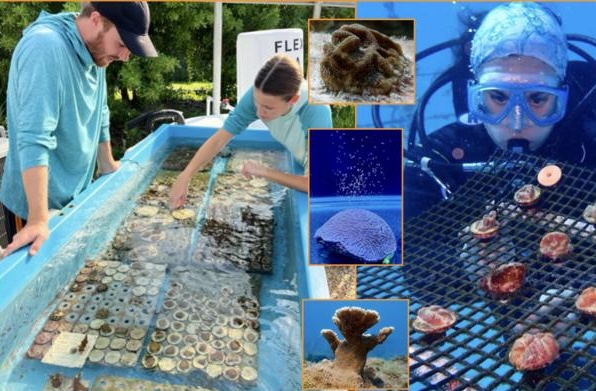
Responsibility
A new NOAA-funded project will scale up novel interventions to increase climate resilience in coral reefs and leverage innovative technology.
Intelligence
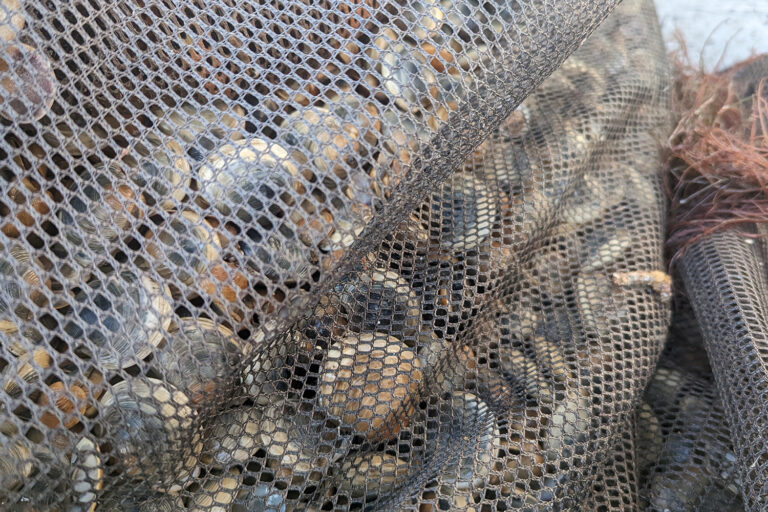
After three hurricanes in 14 months, Cedar Key clam farmers reckon with insurance claims, lost markets and a climate change’s potential for more.
Fisheries
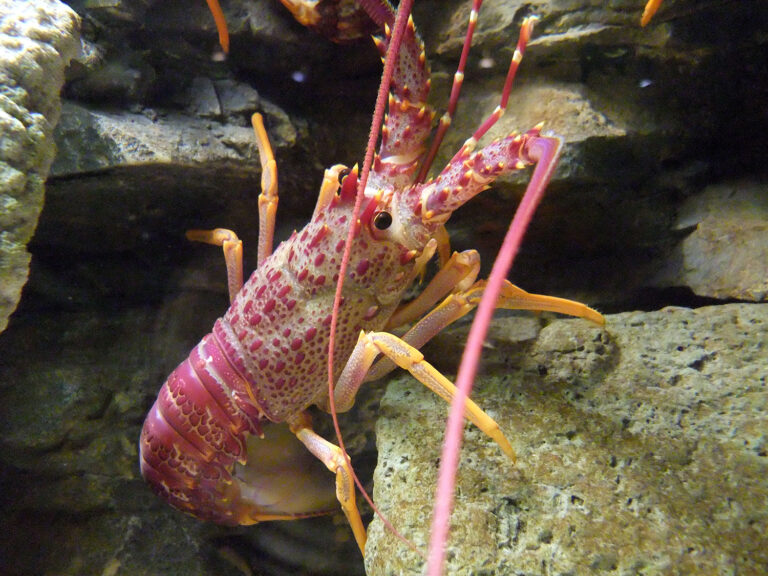
Study results support for TACs for rock lobster in proportion to the previous year’s catch per unit effort, and accounting for climate change impacts.
Responsibility
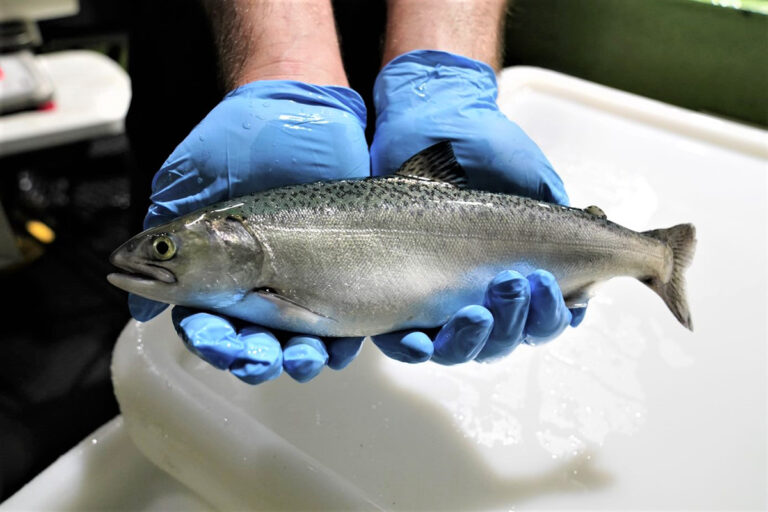
The impact of ocean warming on farmed salmon has encouraged the Cawthron Institute to research ways to boost climate change resilience.
Responsibility
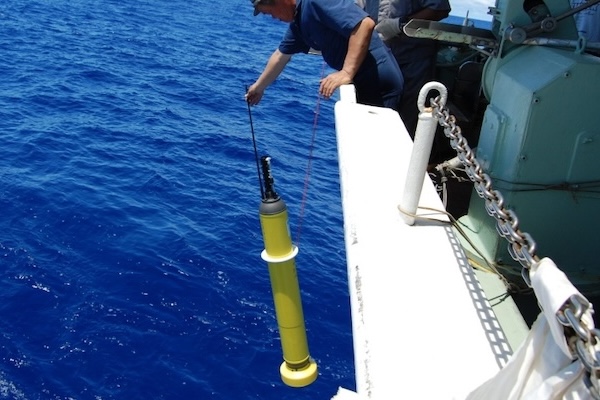
A new machine learning technique precisely tracks ocean oxygen loss, offering insights into climate change’s impact on marine life.