


TCRS secures grant to advance farmed fish welfare research

The Center for Responsible Seafood (TCRS) received a two-year grant totaling $1.1 million from Coefficient Giving to support research on animal welfare. The grant will allow TCRS to continue work that was initially funded seven years ago by Open Philanthropy, Coefficient Giving’s former name.
The grant will support research into humane slaughter of fish to minimize pain, fear and stress before and during processing. A key requirement of humane slaughter is a successful stun, which takes effect immediately after harvest.
Research conducted under an earlier grant revealed that some producers who used stunning methods do not consistently meet this standard across species and processing conditions. With continued funding, TCRS will evaluate novel technologies for humane stunning, including pressure-wave methods and machine-vision-guided laser targeting. The project will also refine remote monitoring systems to help processing plant workers identify fish that may not be sufficiently stunned before slaughter.
Researchers from Mississippi State University, Swedish University of Agricultural Sciences, and Nautilus Collaboration will conduct trials. Findings from these trials will be disseminated through TCRS channels and made available to certification bodies for potential use in future standards.
![Ad for [BSP]](https://www.globalseafood.org/wp-content/uploads/2025/07/BSP_B2B_2025_1050x125.jpg)
“A much-appreciated aspect of funding from Coefficient Giving has been its continuity,” said TCRS President George Chamberlain. “This has allowed TCRS researchers to seamlessly progress from ambiguous behavioral indicators of fish insensibility to definitive EEG measurements revealing shortcomings of current stunning and slaughter systems and the pursuit of novel technologies with potential for greatly improving fish welfare at slaughter.”
Study: 83% of southern Europeans support humane fish slaughter
TCRS is focused on finding impactful solutions to environmental, economic and social well-being issues through knowledge sharing, applied research and collaboration. Its track record includes effective programs in areas such as disease management, animal welfare, food safety and the development of an online educational platform.
Now that you've reached the end of the article ...
… please consider supporting GSA’s mission to advance responsible seafood practices through education, advocacy and third-party assurances. The Advocate aims to document the evolution of responsible seafood practices and share the expansive knowledge of our vast network of contributors.
By becoming a Global Seafood Alliance member, you’re ensuring that all of the pre-competitive work we do through member benefits, resources and events can continue. Individual membership costs just $50 a year.
Not a GSA member? Join us.
Author

Related Posts
Health & Welfare
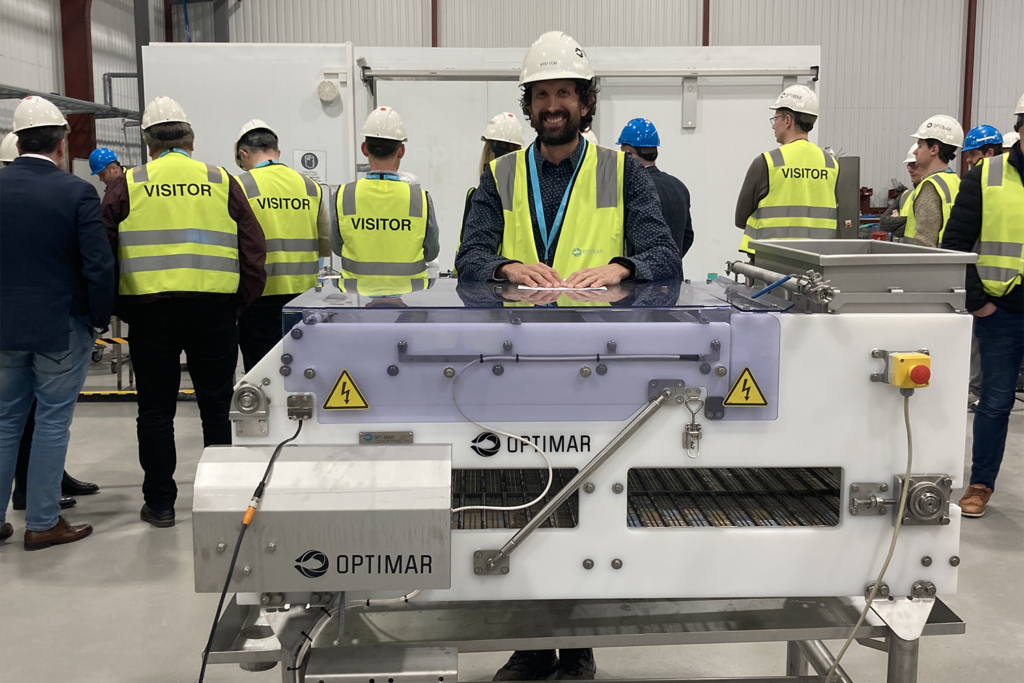
Ace Aquatec and Shrimp Welfare Project team up to promote humane stunning
Ace Aquatec and the Shrimp Welfare Project working together to improve shrimp welfare through humane stunning methods.
Health & Welfare
Another UK supermarket chain makes shrimp sourcing commitments regarding eyestalk ablation and electrical stunning
Co-op says that by 2027 its shrimp sourcing policy will forbid eyestalk ablation and require electrical stunning pre-slaughter.
Innovation & Investment
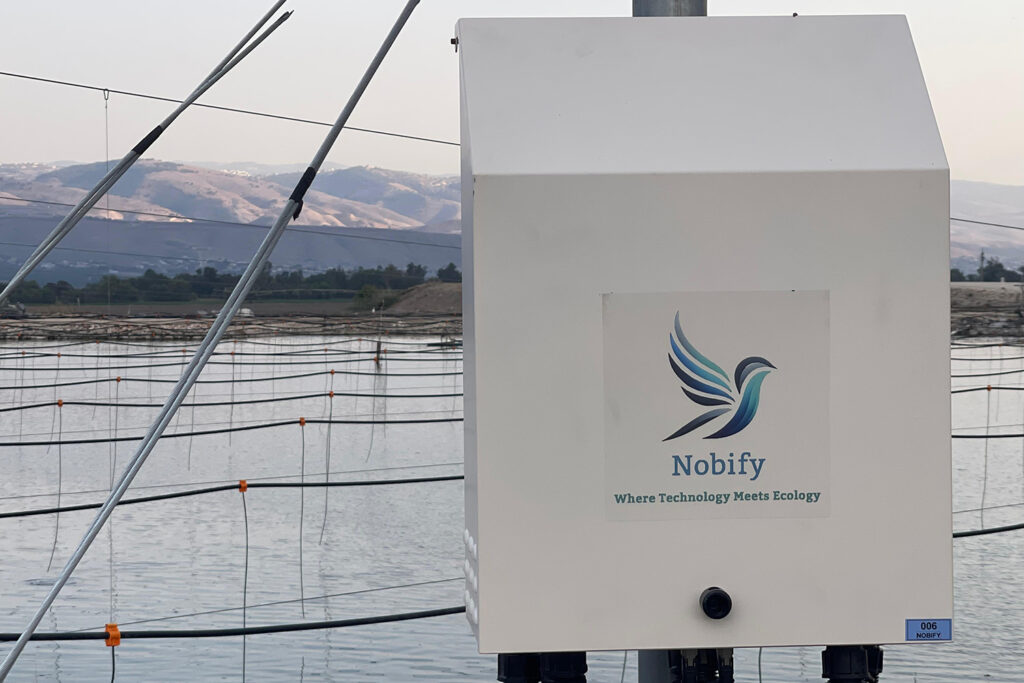
‘Balancing the conflict’: How Nobify’s AI-powered bird deterrent tech can protect fish farms
Nobify’s AI-powered bird deterrent tech protects fish farms, cutting losses and offering a scalable, eco-friendly alternative to nets.
Health & Welfare
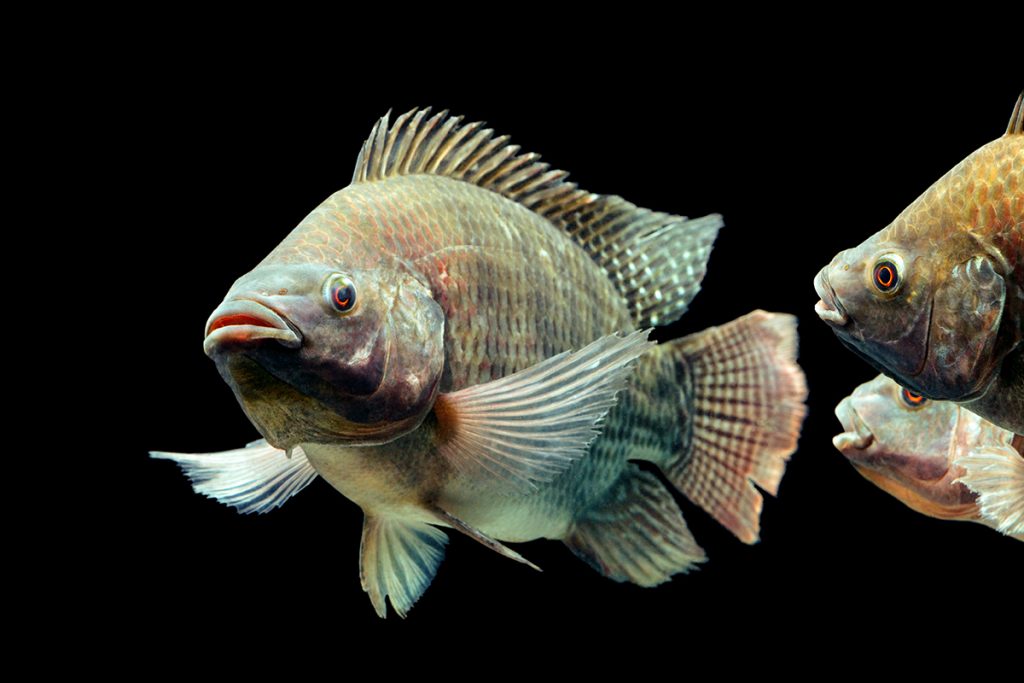
‘The right thing to do’: How aquaculture is innovating to reduce fish stress and improve animal welfare
With research showing that stress can damage meat quality, fish and shrimp farmers are weighing the latest animal welfare solutions.