


SeaForester secures funds to expand global kelp forest restoration efforts

WWF and Schmidt Marine funding to help SeaForester scale kelp forest restoration tech and expand ocean reforestation worldwide
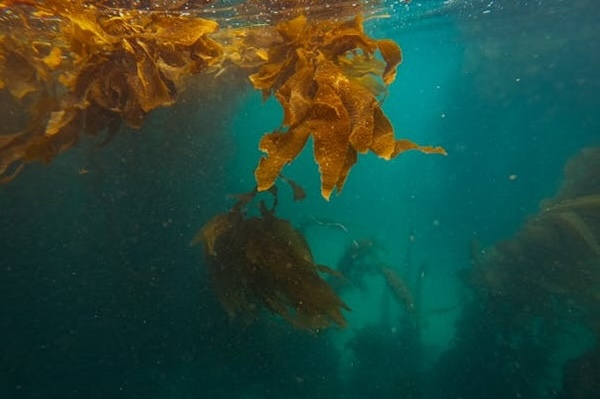
SeaForester, an environmental impact company pioneering large-scale kelp forest restoration, has raised $1.9 million from the World Wildlife Fund (WWF) and Schmidt Marine Technology Partners to support global development and expansion of sea forestation technologies.
“SeaForester is proving that we can reforest the ocean with the same ambition that we’ve applied to land,” said Paul Dobbins, senior director of impact investing at WWF. “Their model delivers measurable gains in biodiversity, carbon storage and sustainable aquaculture – all while supporting coastal communities and industries that depend on healthy seas.”
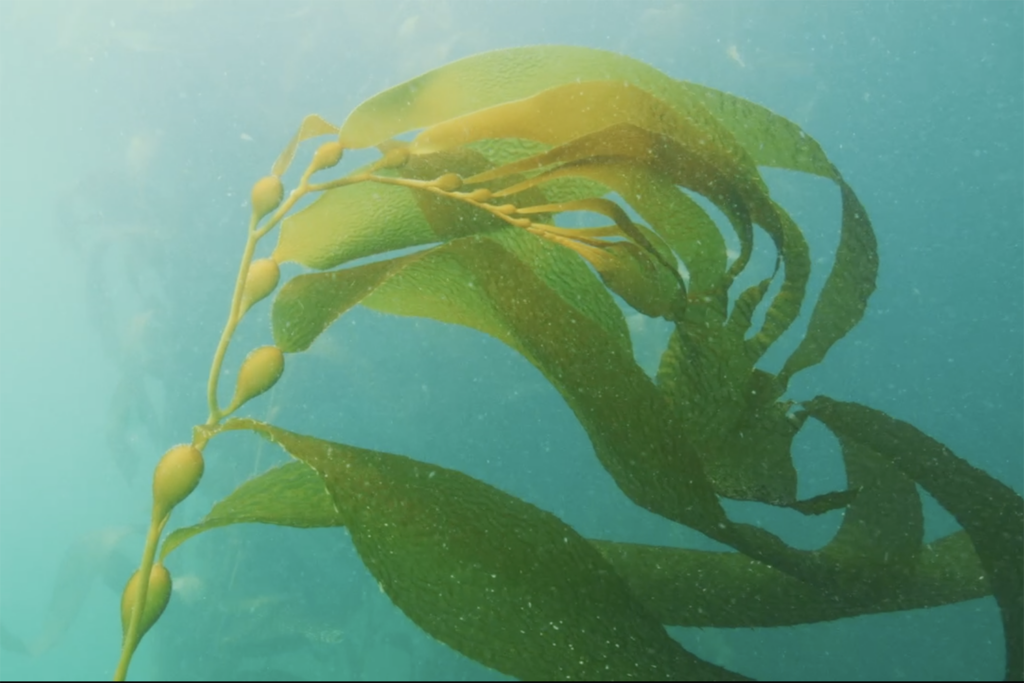
SeaForester, based in Portugal and Norway, restores degraded coastal ecosystems by replanting native kelp forests, which provide habitat for marine life, enhance fisheries, absorb excess nutrients and sequester carbon. The new funding will accelerate deployment of technologies, including the ROOTS (Restoration Oriented Ocean Technology System) kelp nursery platform and KelpOS – a digital monitoring and analytics system that integrates satellite, ROV and eDNA data to track ecosystem recovery in real time.
“This investment […] allows us to accelerate our work in the sea, improve our techniques and expand partnerships with industries that depend on a healthy ocean,” said Pål Bakken, founder and CEO of SeaForester. “Together, we will bring back the ‘forgotten forest’ and create more life on the ‘blue front yards’ around the world.
![Ad for [BSP]](https://www.globalseafood.org/wp-content/uploads/2025/07/BSP_B2B_2025_1050x125.jpg)
Can kelp farming fix the planet? Experts weigh in on promises and pitfalls
The company, which holds Europe’s largest restoration permit in Portugal, is accelerating restoration activities in Norway, where it’s piloting large-scale restoration across urchin barrens in the north and lost seaweed forests in the south. SeaForester is also testing new techniques to cut the cost of sea forestation and plans to announce additional collaborations with global partners in genetics and monitoring.
“The planet has been losing its kelp forests at a truly alarming pace, which means we’re losing the habitat critical for healthy fisheries, and one of the planet’s largest carbon sinks,” said Mark Schrope, director of Schmidt Marine Technology Partners. “We’ve got to reverse this trend and SeaForester’s technology is one of the best examples we’ve seen of how innovation and science can work together to restore nature at scale.”
The funding follows Schmidt Marine’s announcement of a $3.5 million initiative supporting 10 organizations in seven countries that are developing technologies to improve the sustainability of global fisheries.
Now that you've reached the end of the article ...
… please consider supporting GSA’s mission to advance responsible seafood practices through education, advocacy and third-party assurances. The Advocate aims to document the evolution of responsible seafood practices and share the expansive knowledge of our vast network of contributors.
By becoming a Global Seafood Alliance member, you’re ensuring that all of the pre-competitive work we do through member benefits, resources and events can continue. Individual membership costs just $50 a year.
Not a GSA member? Join us.
Author

Related Posts
Responsibility
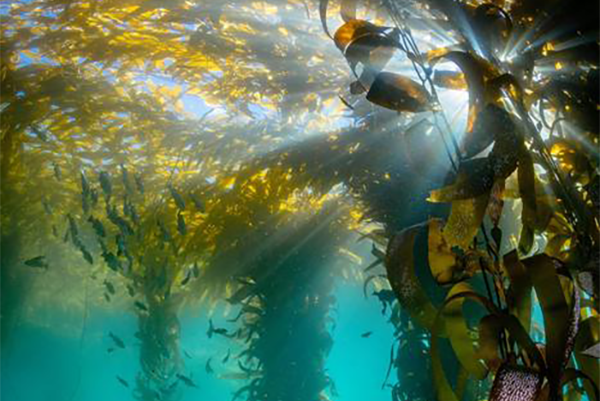
Study: Denser kelp forests are better suited to survive ocean warming
New research reveals that denser and more sheltered kelp forests can withstand serious stressors amid ocean warming.
Responsibility
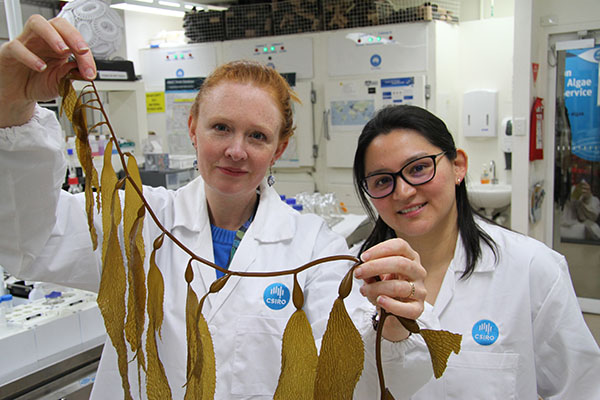
The Nature Conservancy announces unique giant kelp forest restoration project in Tasmania
A first-of-its-kind unique partnership with the Nature Conservancy Australia will seek to restore and "future-proof" giant kelp forests.
Innovation & Investment
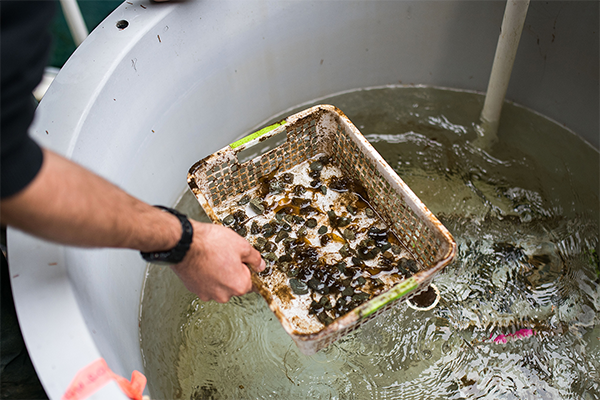
Canadian ‘climate action’ company to test its green gravel for kelp forest restoration
Cascadia Seaweed, a British Columbia-based climate-action company, will test its kelp forest-restoration technology this summer off the coast of Nova Scotia.
Responsibility
Are giant kelp forests carbon sinks? Environmental DNA technology offers clues
Researchers in New Zealand use environmental DNA to track carbon from giant kelp and assess its potential for carbon sequestration and climate solutions.