


Responsible Seafood Innovation Awards: Anchoveta for all – Peru’s Fisheries Association for Human Consumption drives food security and better livelihoods for fishers

Peru’s Fisheries Association for Human Consumption advocates for direct anchoveta consumption to strengthen food security, improve health and support artisanal fishers
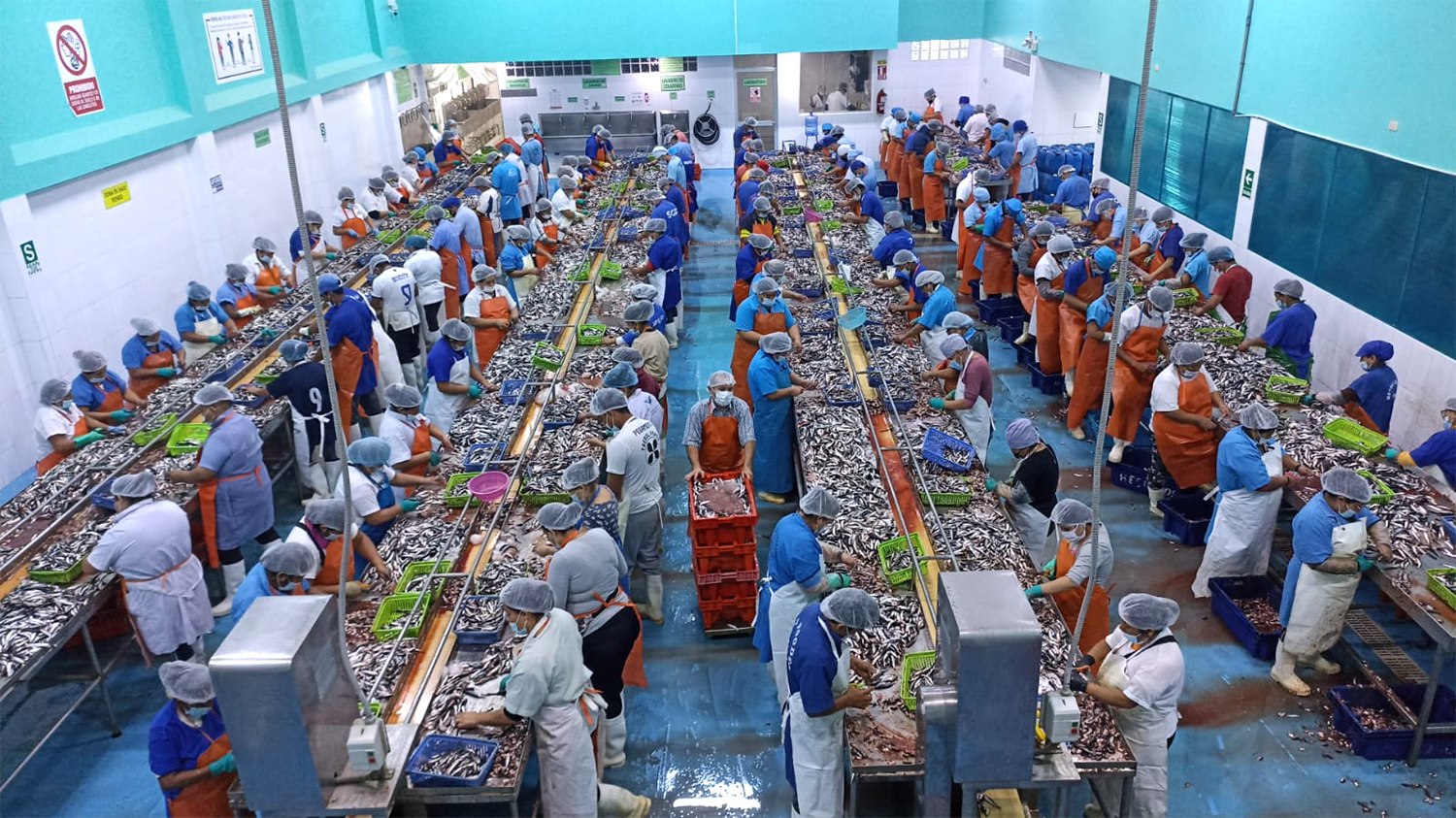
Peruvian anchoveta is one of the richest natural sources of omega-3 fatty acids in the world, yet most of the catch doesn’t end up on people’s plates. Instead, the bulk is processed into fishmeal and fish oil that supply the aquaculture and livestock industries worldwide.
Despite decades of government and industry campaigns, direct human consumption of anchoveta in Peru remains low, limited by its strong flavor, fragility and consumer preference for milder-tasting fish like mackerel or bonito.
The Fisheries Association for Human Consumption (Asociación Pesquera para Consumo Humano in Spanish or APCH) is working to change that. A non-profit cooperative, the APCH represents members of the artisanal anchovy (or anchoveta) value chain in Peru – from fishermen and ship owners to processors and traders – dedicated to human consumption. For more than a decade, the organization has promoted ecologic, economic and socially sustainable anchoveta fishing, with the goal of restoring this small but mighty fish as a protein source for Peruvians. For these efforts, the APCH has been named a finalist in the 2025 Responsible Seafood Innovation Awards in the fisheries category.
“To achieve this goal, we developed a ‘New Management Model for Artisanal Anchovy Fishing for Human Consumption’ to prevent illegal fishing,” Alfredo Almendariz Abanto, APCH’s president and a Peruvian fisheries engineer, told the Advocate. “We also developed the ‘Validation of Cookies Enriched with Quinoa, Fish Protein Concentrate and Seaweed to Combat Childhood Anemia’ in the Region of Puno, contributing to the national effort to eradicate this serious public health problem.”
![Ad for [Aquademia]](https://www.globalseafood.org/wp-content/uploads/2025/07/aquademia_web2025_1050x125.gif)
The Peruvian anchoveta (Engraulis ringens) supports one of the most commercially important fisheries in the world. The ocean waters off of Peru are among the most productive globally, yielding more than 280 million metric tons (MMT) of anchoveta between 1950 and 2010 – equivalent to over 10 percent of the world’s fisheries catches during that 60-year timespan. From 2013 and 2024, annual anchoveta landings reported by the Food and Agriculture Organization (FAO) have fluctuated from 2.15 to 7.02 MMT. Almost all these catches have been, and continue to be, processed into fishmeal and fish oil for animal feed production.
A deep respect and affection for the sea led me to become a fisheries engineer, a profession that I have practiced for more than three decades, with a focus on quality, transformation and management of hydrobiological resources.
Due to a lack of alternative local markets, 99 percent of Peru’s anchoveta catch is currently directed to animal consumption. According to Abanto, artisanal anchoveta fishers are often engaged in illegal fishing, even as Peru has the highest food insecurity in South America and large segments of the population struggle with hunger and malnutrition.
This new management model developed by the APCH for artisanal anchoveta processing and marketing is backed by an innovative team that includes artisanal fisher associations and Peruvian universities. The model will prioritize training, organization and active participation of artisanal fishermen in the processing and marketing their own catches, with the aim of producing high-quality, value-added products at accessible prices.
Eat the whole fish: A discussion of culture, economics and food waste solutions
One might assume that canned products would be the best way to bring anchovy to the Peruvian tables, due to its long duration and ease of storage and consumption. However, canned packaging is relatively expensive – representing 70 percent of the product’s cost. Frozen is another alternative, but 40 percent of Peruvian households do not have a refrigerator at home.
Given this reality, the project turned to promoting, among other anchoveta products, an ancestral methodology: salted (“salazón”) anchoveta. It’s an economical product with a six-month shelf life that can be easily stored in Peru’s cool, airy environments. Salting with sea salt alone is one of the oldest food preservation techniques, dating back more than 3,000 years to ancient Egypt. The method partially hydrates the fish, reinforces flavor and inhibits some bacterial growth, keeping food safe and edible for longer periods.
The initiative includes a wide range of activities to boost anchoveta consumption, including the implementation of a pilot line for the production of cured anchovy products (salted, marinated and smoked) and a marketing chain to promote them. Key activities include:
- Training fishermen in Good Fishing Practices, Hygiene and Health.
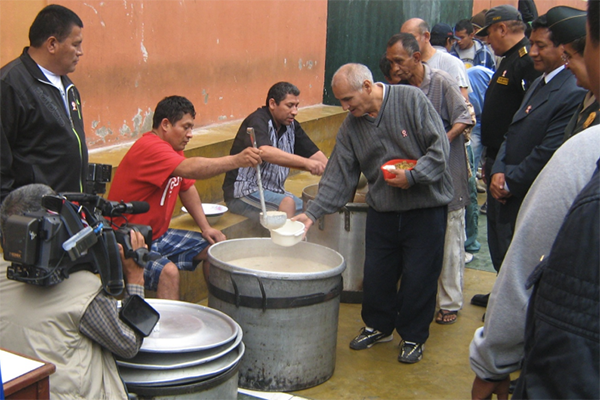
APCH plans to serve 250,000 anchovy “chupe” dishes (thick, chowder-like soup) in one day to qualify as a Guinness World Record. - Training in Good Manufacturing Practices, for salted, marinated and smoked anchovy processes, curing processes that, in adequate storage conditions, preserve the fish for up to six months.
- Training in the administration and marketing of cured anchoveta (salted, marinated and smoked).
- Implementation of a pilot line for the processing of cured anchoveta that meets technical and sanitary requirements.
- Promotion and marketing campaigns to support mass consumption events of anchoveta dishes and the establishment of points of sale in different locations of Lima and various Peruvian provinces.
- A major event to organize the preparation and distribution of 250,000 anchovy “chupe” dishes (thick, chowder-like soup) in one day to qualify as a Guinness World Record. The event will be held with the collaboration and support of the Ollas Comunes (self-managed food pantries or communal kitchens organized by mothers in a community) in the most economically depressed areas of Lima. The achievement of this Guinness World Record would generate significant publicity and snag the attention of a large sector of the country’s population via the mass media (radio, TV, newspapers, social networks), offering a prime opportunity for the promotion of direct consumption of anchoveta.
- Training for women entrepreneurs in the preparation and sale of anchoveta dishes for mass consumption at mobile points of sale.
- Generation of seed capital and local micro-economies.
The activities led by the APCH seek to engage all stakeholders in the anchovy value chain for human consumption – from artisanal fishers to the final consumer. A critical piece, however, is the participation of authorities, so that promoting direct anchoveta consumption becomes a state policy and brings anchovy to the tables of all Peruvians.
If successful, APCH’s efforts to expand direct anchoveta consumption could help reduce hunger and childhood anemia among the most disadvantaged populations. It could also lead to an improved standard of living for artisanal anchoveta fishers and their families, the creation of jobs and a reduction in illegal, artisanal anchoveta fisheries.
But what exactly motivated Almendariz to develop a program dedicated to promoting direct consumption of anchoveta in Peru? And how did he come to recognize the nutritional challenges faced by low-income communities?
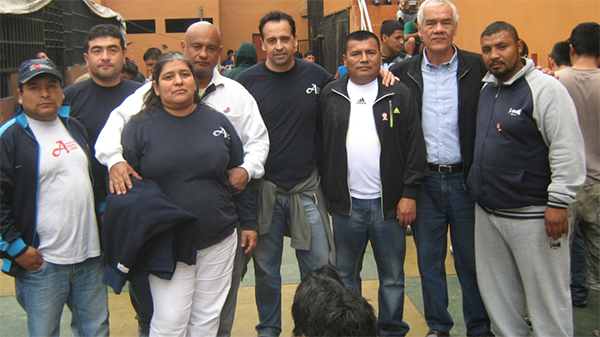
“A deep respect and affection for the sea led me to become a fisheries engineer, a profession that I have practiced for more than three decades, with a focus on quality, transformation and management of hydrobiological resources,” said Almendariz. “This has allowed me to [appreciate] the enormous nutritional value of [marine] resources – particularly the anchovy – as well as its influence on the development of Peruvian pre-Columbian culture.”
Almendariz also cited the “serious problem” of hunger and malnutrition in Peru as a motivation, noting that the FAO 2024 annual report reveals that 51.7 percent of the population (or 17.6 million Peruvians) experience moderate to severe food insecurity.
“We have one of nature’s most valuable foods – the anchoveta,” said Almendariz. “The paradox of having one of the most productive seas in the world, [alongside] enormous nutritional deficiencies [among] a large sector of the population, [remains] one of the challenges for all components of the fisheries value chain in Peru.”
Now that you've reached the end of the article ...
… please consider supporting GSA’s mission to advance responsible seafood practices through education, advocacy and third-party assurances. The Advocate aims to document the evolution of responsible seafood practices and share the expansive knowledge of our vast network of contributors.
By becoming a Global Seafood Alliance member, you’re ensuring that all of the pre-competitive work we do through member benefits, resources and events can continue. Individual membership costs just $50 a year.
Not a GSA member? Join us.
Author
-

Editor Emeritus
Responsible Seafood Advocate
Related Posts
Responsibility
FAO: More investment in seafood production needed to drive ‘blue transformation’ for global food security
At the G7 meeting, FAO says investment in seafood production is critical to ensuring global food security and combating poverty.
Innovation & Investment
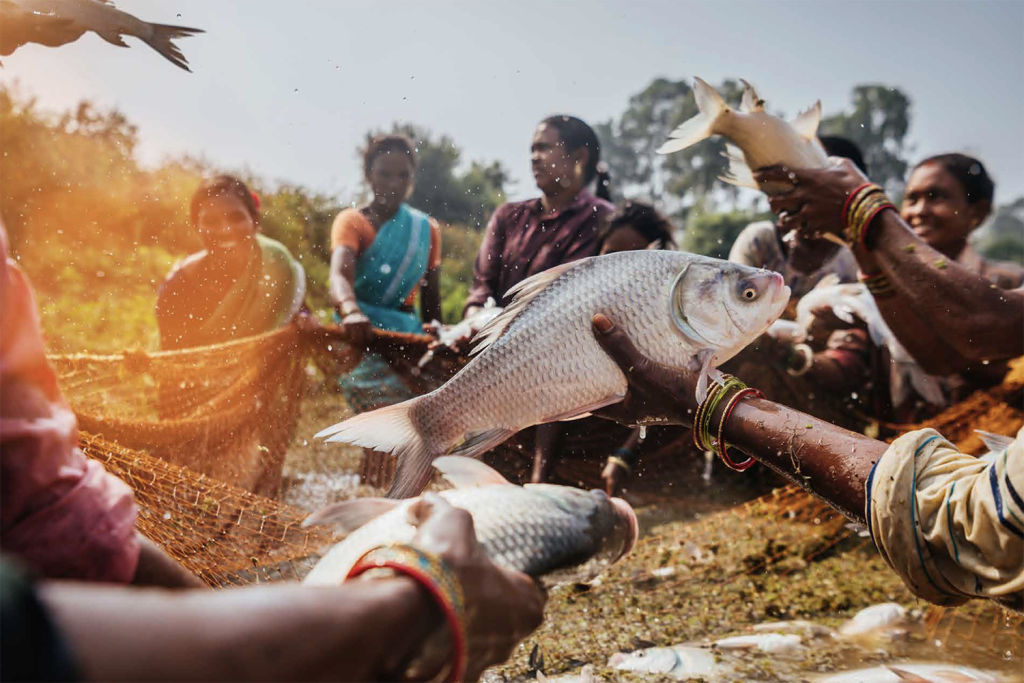
‘They know better than men how to protect their environment and people’: How focusing on women farmers is boosting food security in India
GOAL 22: The Government of Odisha and WorldFish collaborate to boost income and food security in India by teaching women’s groups to raise carp.
Responsibility
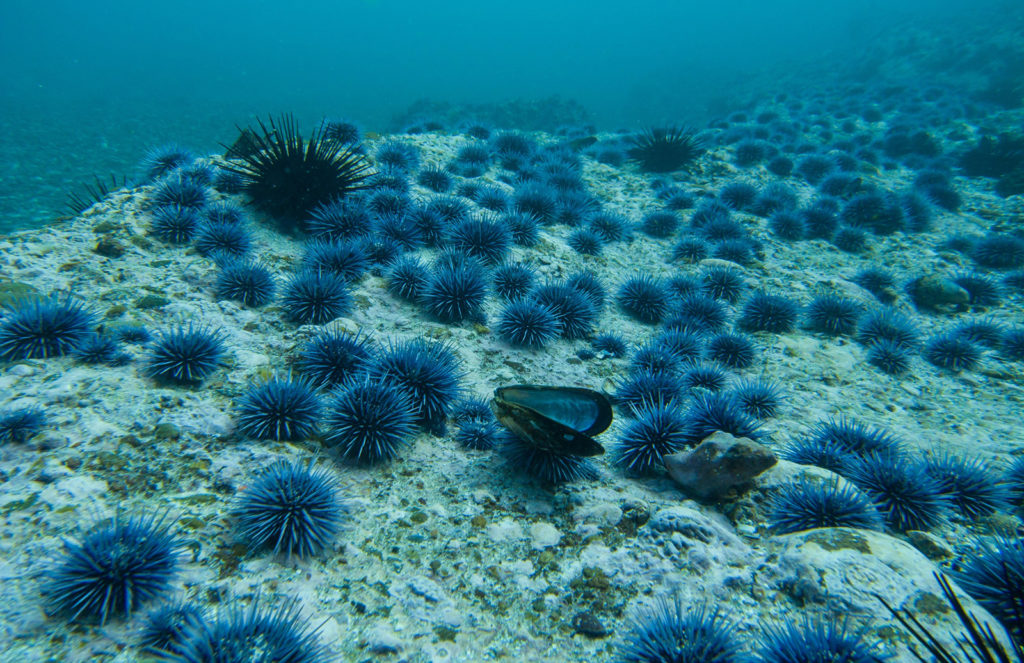
Can ranching ‘zombie urchins’ boost uni, save kelp forests?
With Norwegian knowledge and a partnership with Mitsubishi, Urchinomics aims to turn worthless empty urchins into valuable seafood while restoring kelp forests and creating jobs.
Intelligence
Food is abundant, yet people are starving
While significant numbers of people are undernourished, an increasing number of people are overweight. The divide between recommendations and results is marked, so we must learn more about food production and change our behaviors.