


New South Wales government invests in growing aquaculture

Funding to support 31 projects, ranging from oyster farming to kelp production to clean energy, to expand New South Wales’ aquaculture industry

The New South Wales (NSW) government will invest $27 million (U.S. $18.5 million) in 31 aquaculture projects, part of a $41 million (U.S. $28 million) funding package aimed at expanding production, creating jobs and supporting innovation across the state’s seafood industry.
The funding will support a range of projects, including modern oyster cultivation systems, expanded kelp farming and seafood production powered by clean energy. The New South Wales government increased its original funding allocation by $7 million (U.S. $4.8 million) after receiving a strong response from businesses proposing projects focused on modernization, innovation and productivity.
“This $41 million investment demonstrates the Minns Government’s commitment to building a modern, sustainable aquaculture sector and positioning NSW as the leader in quality seafood production and marine bioproducts,” said Minister for Agriculture and Minister for Regional NSW Tara Moriarty. “This funding program is new to the industry and delivers on our plan to grow this unique sector so we can boost jobs and innovation along our coast and inland waterways now and into the future.”
According to the government, New South Wales’ aquaculture sector contributes nearly $250 million (U.S. $171 million) to the state economy each year and supports about 2,200 jobs. The government said the investment will increase production, encourage more sustainable farming practices and strengthen the industry’s long-term growth.
![Ad for [BSP]](https://www.globalseafood.org/wp-content/uploads/2025/07/BSP_B2B_2025_1050x125.jpg)
“Our seafood products are amongst the best in the world, and we need to increase production, enhance supply chain efficiency and sustainability, so that our local businesses can take advantage of market demand for quality and low-carbon footprint seafood,” said Moriarty.
The 31 funded projects span a broad range of aquaculture sectors, from shellfish and seaweed to finfish and seafood processing. They include expanding Sydney rock oyster nurseries, increasing kelp processing capacity, modernizing oyster farms, developing renewable energy systems for aquaculture operations and building new fish processing facilities.
“This investment will help Armstrong Oysters increase production and support the industry’s goal of doubling output by 2030,” said Brandon Armstrong, co-owner of Armstrong Oysters. “This project will improve supply and help build a stronger, more resilient NSW oyster industry.”
Other projects will focus on recovering seafood industry by-products for use in bait, pet food and aquaculture feed. At the same time, one Indigenous-led initiative will expand sea urchin processing and develop new food and agricultural products from harvested urchins.
“This investment helps OceanWatch do what we do best — bring industry, science, government and communities together to solve practical environmental challenges,” said OceanWatch CEO Lowri Pryce. “It will allow us to work directly with NSW oyster growers, fishers, co-operatives and seafood businesses to turn end-of-life plastics, shells, fish frames and seafood by-products into new circular economy products — reducing waste while creating value for regional communities.”
The funding builds on the New South Wales Aquaculture Vision Statement, launched in 2024 to double the industry’s economic output by 2030.
Now that you've reached the end of the article ...
… please consider supporting GSA’s mission to advance responsible seafood practices through education, advocacy and third-party assurances. The Advocate aims to document the evolution of responsible seafood practices and share the expansive knowledge of our vast network of contributors.
By becoming a Global Seafood Alliance member, you’re ensuring that all of the pre-competitive work we do through member benefits, resources and events can continue. Individual membership costs just $50 a year.
Not a GSA member? Join us.
Author

Related Posts
Responsibility
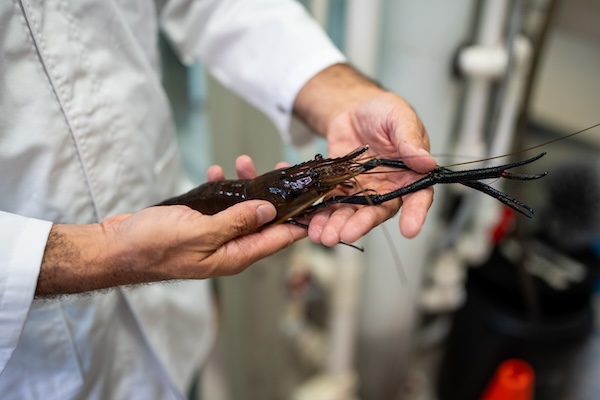
Indigenous partnership builds Australia’s first commercial freshwater prawn farming industry
An Indigenous-led partnership in Queensland is developing hatchery methods to enable commercial giant freshwater prawn farming industry.
Health & Welfare
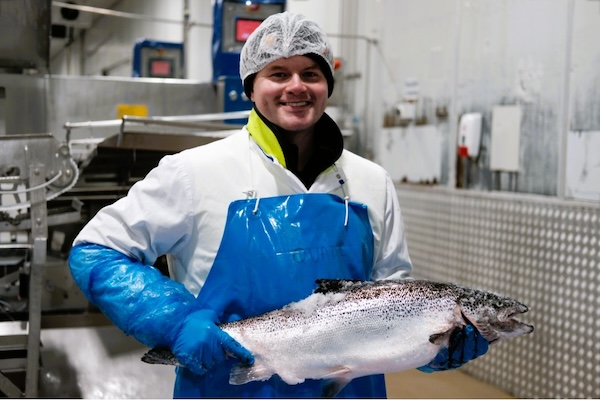
Tasmanians pursue selective breeding to produce salmon with improved heat and disease tolerance
Tasmanian salmon farmers say selective breeding has produced fish with improved tolerance to heat and disease after a major mortality event.
Fisheries
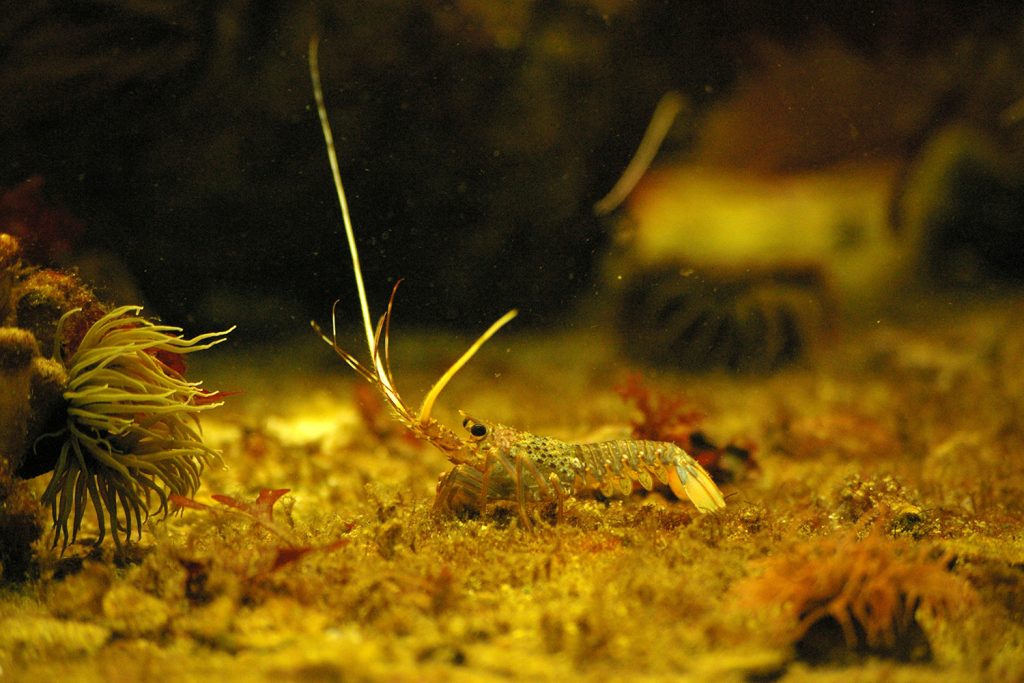
Decadal changes in nearshore habitats drive disconnect between settlement and fishery recruitment of western rock lobster in Australia
Monitoring marine habitats like submerged vegetation can complement long-term fishery data collection and coastal management.
Responsibility
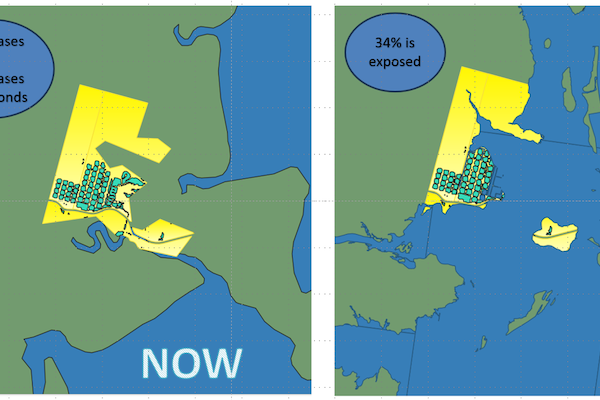
Research shows rising sea levels pose major threat to Queensland aquaculture
New research warns that more than 43 percent of Queensland’s aquaculture sites could be underwater by 2100 due to rising sea levels.