


New group OLAS may signal a new era for responsible aquaculture in Latin America

The Organization for Sustainable Aquaculture was created at the recent Latin American Sustainable Aquaculture Summit in Panama
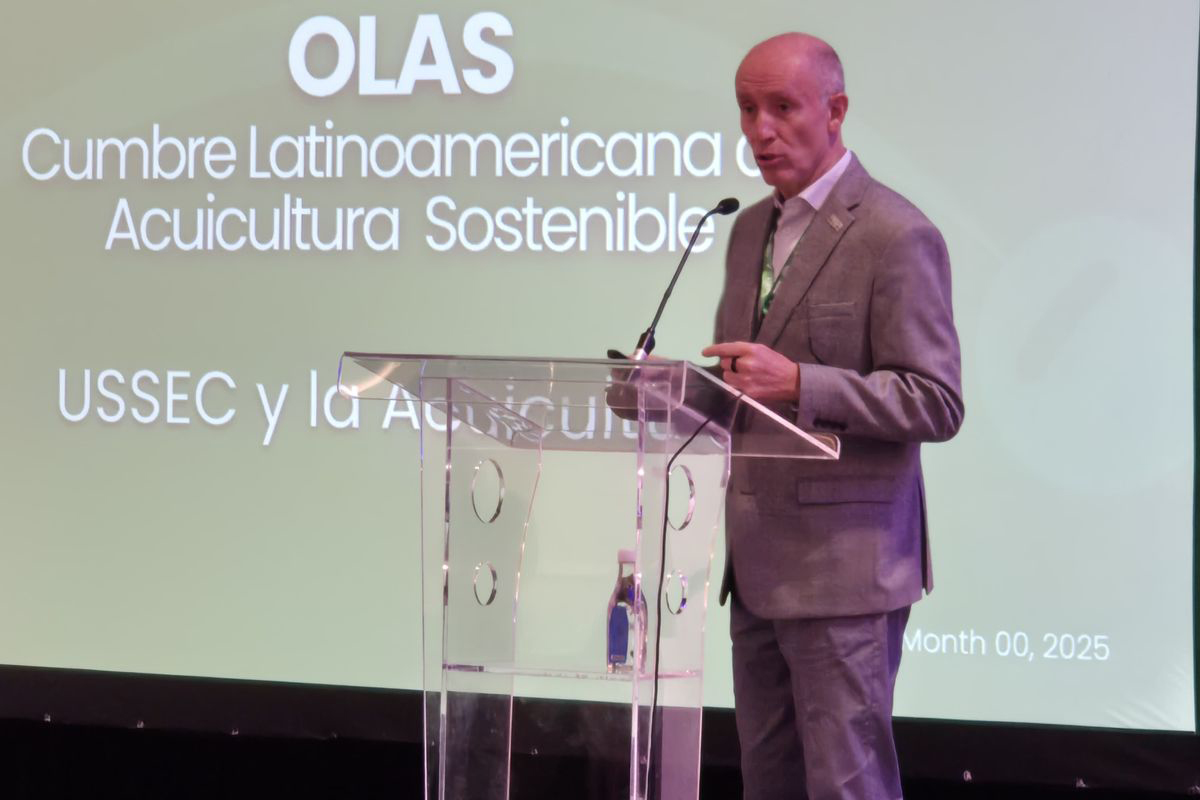
With the leadership of the U.S. Soybean Export Council (USSEC) and with the backing from key aquaculture organizations, the Latin American aquaculture sector made a significant step toward more sustainable, innovative and collaborative aquaculture: the formal establishment of the Latin American Organization for Sustainable Aquaculture (OLAS).
This significant milestone was announced during the Latin American Sustainable Aquaculture Summit, held in Panama City in June. The event, convened and facilitated by USSEC, brought together regional leaders from the shrimp, tilapia, salmon and aquafeed sectors, who agreed to establish a permanent platform for technical cooperation, dialogue and joint action.
OLAS now stands as the first regional organization to bring together the key stakeholders in Latin American aquaculture under a unified agenda that emphasizes sustainability and global competitiveness.
“USSEC is a proud to continue a long-term partnership with the Latin American aquaculture industry through the formation of OLAS. We (USSEC) support the OLAS goal of expanding and promoting sustainable aquatic protein production within the region,” said Dr. Morgan Cheatham, USSEC Animal Utilization and Aquaculture Manager.
![Ad for [membership]](https://www.globalseafood.org/wp-content/uploads/2025/07/membership_web2025_1050x125.gif)
The establishment of OLAS is the result of a shared vision among leading Latin American associations, who committed to a common agenda focused on:
- Promoting best aquaculture practices and environmental sustainability.
- Strengthening technical capabilities and innovation in genetics, nutrition and health.
- Advancing regional integration through shared standards, knowledge exchange and institutional cooperation.
- Positioning Latin America as a global reference for high-quality, sustainable aquaculture.
Additionally, OLAS will operate with thematic working groups – including communications, trade, regulation and species clusters – and shared performance indicators.
USSEC not only facilitated the creation of OLAS but also played a key role in designing its institutional structure and governance. During the summit, the first OLAS Executive Committee was elected, comprising high-level representatives from seven countries:
- President: Gabriel Biguria (Guatemala, shrimp).
- Tilapia Representatives: Carlos Robles and Alejandro Vargas (Colombia).
- Salmon Representatives: Natalia Nuñez and Marcela Bravo (Chile).
- Shrimp Representatives: Juan G. Balda (Ecuador), Gabriel Biguria (Guatemala).
- Aquafeed Representatives: Laura Pasculli (Colombia), Héctor Morillo (Dominican Republic).
- Jairo Amezquita, USSEC’s Aquaculture Program Manager for the Americas, was appointed as Executive Delegate to OLAS, tasked with aligning technical strategies and coordinating initiatives between both entities.
“Through OLAS, I hope to demonstrate the power that inter-sector collaboration can have within the regional aquaculture industry. By bringing together key players from the shrimp, salmon, tilapia, and aquafeed industries, OLAS will be able to showcase the value of sustainable aquaculture in Latin America,” OLAS President Gabriel Biguria told the Advocate.
Soy helped build aquaculture into a global force. How far can it take it?
OLAS was created to enhance the global competitiveness of the sector through sustainability, technological innovation, and regional cooperation. To ensure a strong foundation, USSEC is also leading the procurement of seed funding to support OLAS’s launch and operational sustainability.
This is only the beginning of a new chapter for aquaculture in Latin America. USSEC reaffirms its commitment to responsible sector growth and celebrates this milestone alongside all the partners, companies, and professionals who made it possible.
“We (USSEC) felt it was critical to bring together key actors from the region’s primary aquaculture sectors (shrimp, tilapia, salmon, and aquafeed) to share knowledge, address common challenges, and promote the sustainability and competitiveness of the Latin American aquaculture industry together,” Jairo Amezquita, USSEC aquaculture program manager for the Americas, told the Advocate.
Now that you've reached the end of the article ...
… please consider supporting GSA’s mission to advance responsible seafood practices through education, advocacy and third-party assurances. The Advocate aims to document the evolution of responsible seafood practices and share the expansive knowledge of our vast network of contributors.
By becoming a Global Seafood Alliance member, you’re ensuring that all of the pre-competitive work we do through member benefits, resources and events can continue. Individual membership costs just $50 a year.
Not a GSA member? Join us.
Author
-

Editor Emeritus
Related Posts
Aquafeeds
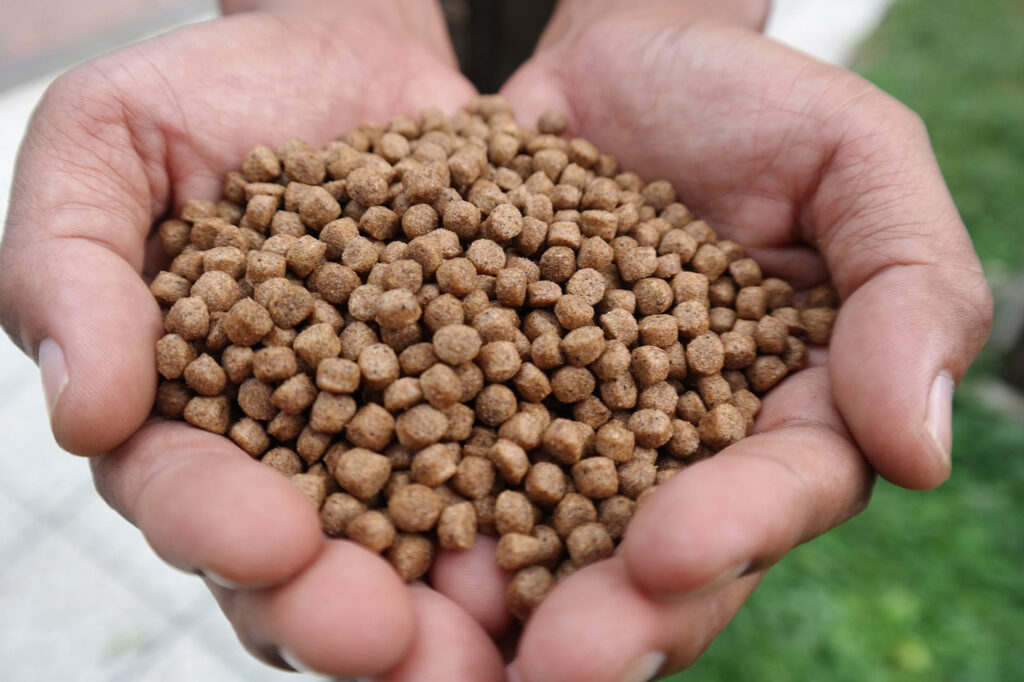
A primer on sustainable feeds: Improving aquafeeds for sustainability, fish welfare and human nutrition
Improving aquafeed formulations can augment the sustainability and efficiency of aquaculture production – a new series from the GAIN project.
Aquafeeds
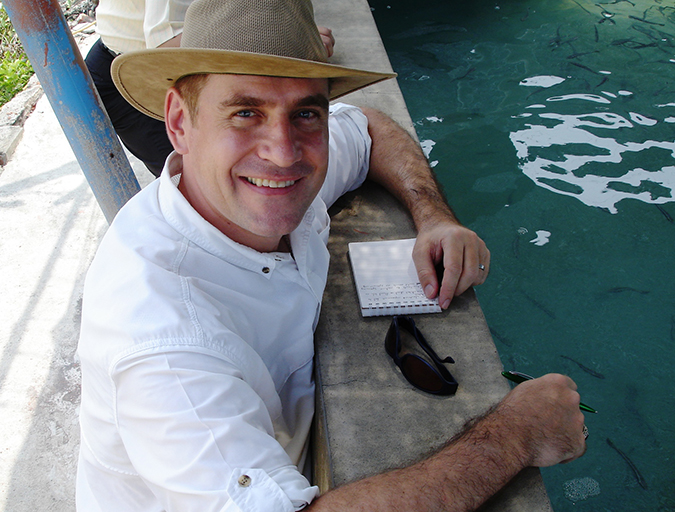
Aquaculture Exchange: Lukas Manomaitis, USSEC
The U.S. Soybean Export Council is a huge supporter of aquaculture growth globally, as so many aquafeed formulators rely on U.S. soy to create nutritious diets. The Southeast Asia senior technical advisor for USSEC’s aquaculture program talks about this symbiotic partnership.
Health & Welfare
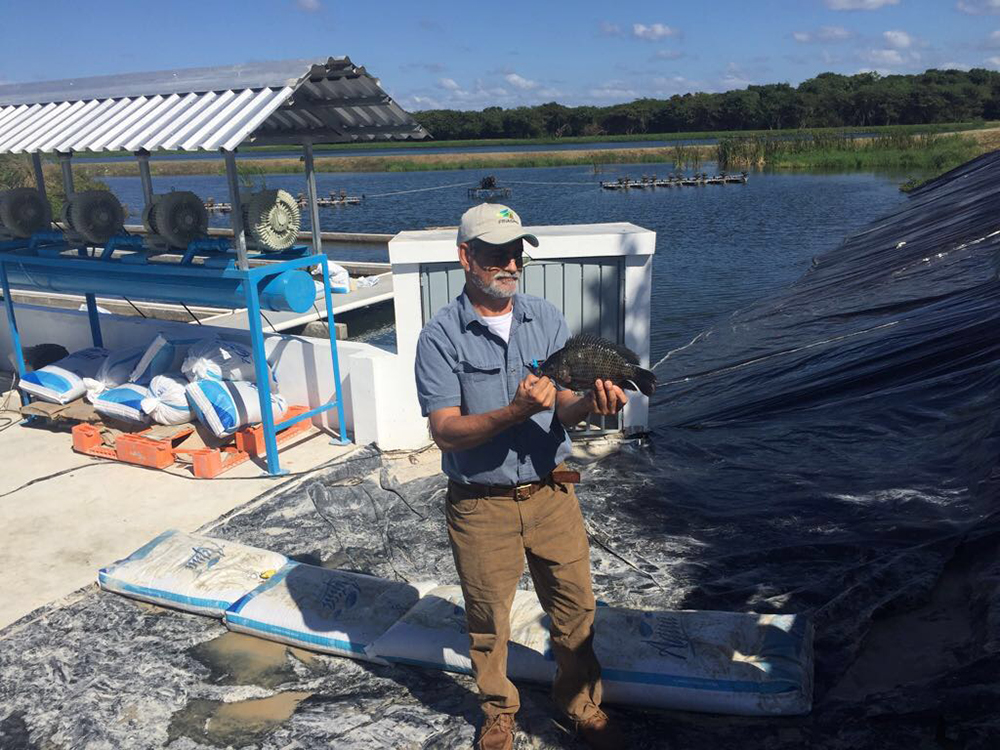
Commercial demonstration of in-pond raceways
Results of a demonstration project of the In-Pond Raceway System (IPRS) technology in seven tilapia raceways at a commercial farm in Mexico showed the potential for increasing fish production with this environmentally sustainable culture system.
Intelligence
Evaluating commercial, intensive production of Nile tilapia in IPRS
Study assesses in-pond raceway systems to produce Nile tilapia fed with a diet including U.S. soybean meal under intensive production conditions.