


Microplastics in fish found in one-third of samples from remote Pacific islands

Microplastics in fish revealed to be as high as 75 percent in Fiji, with reef fish and bottom feeders most exposed
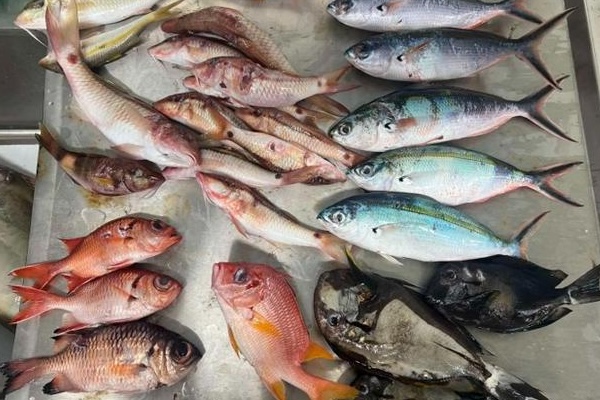
About one-third of fish living in the coastal waters of Pacific Island Countries and Territories contain microplastics, with particularly high contamination levels found in Fiji, according to a recent scientific analysis.
The study, published in PLOS One, shows that microplastic pollution is widespread, reaching even remote marine environments.
The high contamination levels observed in Fiji, compared with other islands and the global average, may be linked to population density, coastal development and waste management practices, the researchers suggest. They add that understanding how habitat and feeding behavior affect microplastic exposure could help policymakers identify the ecosystems and communities most at risk.
“The consistent pattern of high contamination in reef-associated species across borders confirms ecological traits as key exposure predictors, while national disparities highlight the failure of current waste management systems, or lack thereof, to protect even remote island ecosystems,” said Jasha Dehm, lead researcher from the University of the South Pacific.
![Ad for [BSP]](https://www.globalseafood.org/wp-content/uploads/2025/07/BSP_B2B_2025_1050x125.jpg)
Microplastic pollution in marine environments is a growing global concern, with implications for ecosystems and human health. Despite their geographic isolation, Pacific Island Countries and Territories may be especially vulnerable because of rapid urbanization and limited waste and water management systems.
Many coastal communities in the region depend heavily on fish for food, income and cultural practices, raising concerns about potential exposure through contaminated seafood. Until now, however, there has been limited research examining microplastic contamination in fish consumed in the Pacific Island Countries and Territories.
Catch & Culture Review: How microplastics impact the early life stages of fish and the ecosystem
“While microplastic levels in Pacific fish are generally lower than in many industrialized regions, Pacific communities rely far more heavily on fish as a primary protein source,” said Amanda Ford, researcher at the University of South Pacific. “Combined with major data gaps across the region, this makes locally generated evidence essential as Global Plastics Treaty negotiations advance and are translated into national policies.”
To address that gap, researchers analyzed microplastic contamination in 878 coastal fish from 138 species caught by fishing communities in Fiji, Tonga, Tuvalu and Vanuatu, using published data. About one-third of the fish contained at least one microplastic particle, though contamination levels varied widely by location.
Fiji stood out, with nearly 75 percent of fish containing microplastics, well above the global average of about 49 percent. By contrast, only 5 percent of fish sampled in Vanuatu were contaminated. While microplastics were common in some locations, the amount found in each fish was generally low. Two species caught in all four countries – the thumbprint emperor and the dash-and-dot goatfish – showed higher contamination levels in Fiji than elsewhere.
The researchers also examined whether ecological traits influenced the likelihood of microplastic contamination, drawing on data from a global fish database. Reef-associated and bottom-dwelling species were more frequently contaminated than fish living in coastal lagoons or the open ocean.
Feeding behavior also played a role. Fish that feed on invertebrates, forage along the seabed or use ambush strategies to capture prey were more likely to contain microplastics than other species.
“Beyond the ecological insights, this study delivers a stark warning about the vulnerability of our food systems: we found that the reef-associated and bottom-feeding fish most accessible to our subsistence fishers are acting as reservoirs for synthetic pollution, particularly in Fiji, where nearly three-quarters of sampled individuals contained microplastics,” said Rufino Varea, researcher at the University of South Pacific. “The dominance of fibers in these samples challenges the assumption that marine litter is solely a visible, coastal management issue; it indicates a pervasive infiltration of textile and gear-derived contaminants into the very diet of our communities.”
Now that you've reached the end of the article ...
… please consider supporting GSA’s mission to advance responsible seafood practices through education, advocacy and third-party assurances. The Advocate aims to document the evolution of responsible seafood practices and share the expansive knowledge of our vast network of contributors.
By becoming a Global Seafood Alliance member, you’re ensuring that all of the pre-competitive work we do through member benefits, resources and events can continue. Individual membership costs just $50 a year.
Not a GSA member? Join us.
Author

Related Posts
Responsibility
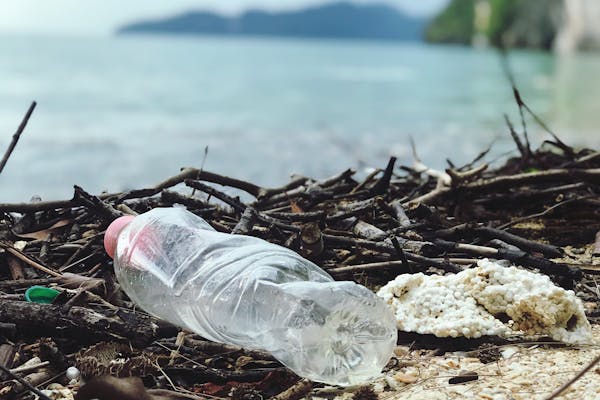
Researchers detect microplastics in the muscle tissues of Oregon seafood
A Portland State University study finds microplastics in the muscle tissue of samples of commonly consumed seafood products from Oregon.
Responsibility
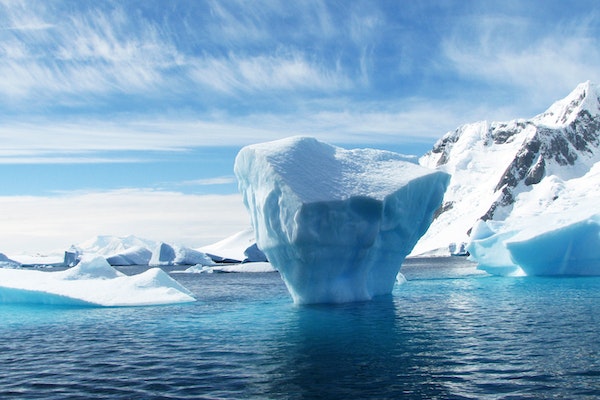
Does fishing contribute to microplastic pollution in the Arctic?
Ocean circulation, ice melt, tourism and fishing are all 'likely contributors' to Arctic microplastics, researchers say.
Responsibility
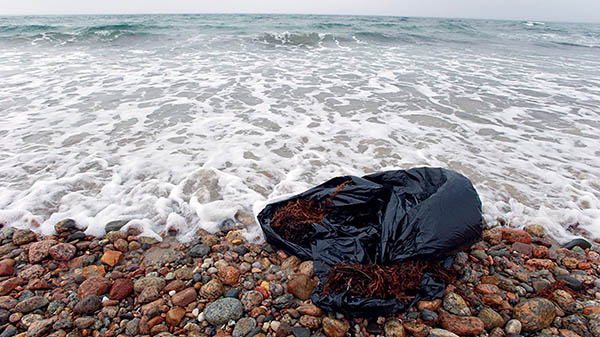
Study: Plastic waste endangers ocean ecosystems
Minderoo-Monaco Commission: Plastic waste is the cause of "significant" harm to humans, the economy and the environment, especially the ocean.
Responsibility
Australian researchers find microplastics in mussels
Researchers at Flinders University in Adelaide are warning about the presence of microplastics in both farmed and wild-caught seafood.