


Innovafeed, IRBI launch FrenchFly project to scale insect protein in France

New partnership targets key barriers to insect protein production using black soldier fly technology
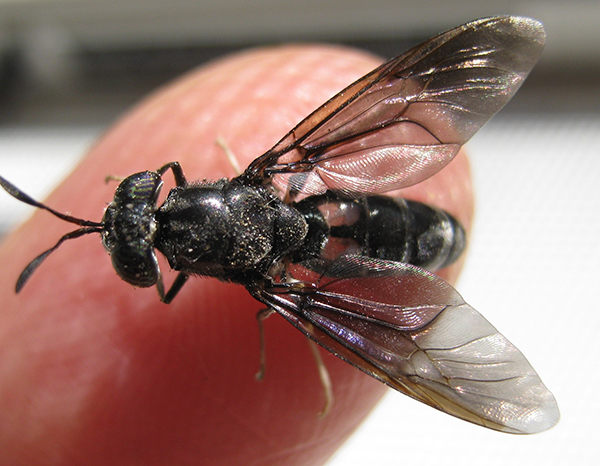
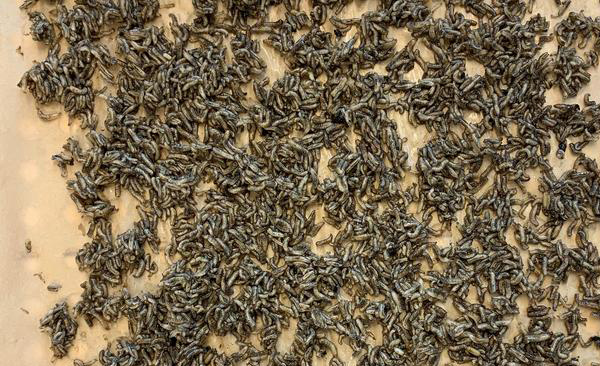
IRBI and Innovafeed have launched a new project to advance insect protein production in France, targeting key scientific and technical barriers that continue to limit large-scale development.
The initiative, known as FrenchFly, brings together academic and industry partners to support the growth of the country’s black soldier fly (BSF) sector. It is backed by Bpifrance through the government’s “I-Démo” program.
The project comes as France places increasing emphasis on food sovereignty, decarbonization and domestic industrial growth, positioning insect protein as a potential contributor to more sustainable food and feed systems.
“The biology of insects is fascinating: at IRBI, we study how they grow, reproduce, and interact with both their peers and their environment,” said Christophe Bressac, professor at the University of Tours.
![Ad for [BSP]](https://www.globalseafood.org/wp-content/uploads/2025/07/BSP_B2B_2025_1050x125.jpg)
“Thanks to FrenchFly, the different levels of insect biology, from genome to populations, are being integrated into food systems. The synergy with Innovafeed will provide precise insights to optimize the life cycle of this new farmed species while minimizing its environmental footprint.”
Innovafeed will contribute its industrial expertise, while IRBI will lead research to improve black soldier fly rearing and better understand environmental interactions. The project is also expected to generate open-access data to support wider development of the sector.
“This partnership between Innovafeed and IRBI is a major accelerator for the generation of scientific knowledge,” said Mathieu Vanderstraete, director of Innovafeed’s Research Center in Gouzeaucourt. “The synergy between our respective areas of expertise enables us to broaden and deepen our understanding of Hermetia illucens biology, while promoting the sharing and valorization of this knowledge for the benefit of the entire insect industry ecosystem.”
The project is funded by the French government as part of the France 2030 investment plan.
Now that you've reached the end of the article ...
… please consider supporting GSA’s mission to advance responsible seafood practices through education, advocacy and third-party assurances. The Advocate aims to document the evolution of responsible seafood practices and share the expansive knowledge of our vast network of contributors.
By becoming a Global Seafood Alliance member, you’re ensuring that all of the pre-competitive work we do through member benefits, resources and events can continue. Individual membership costs just $50 a year.
Not a GSA member? Join us.
Author

Related Posts
Aquafeeds
BioMar and Innovafeed to introduce insect protein to Ecuador’s shrimp feed industry
BioMar, Innovafeed and Auchan have announced the large-scale integration of insect protein into commercial shrimp feed in Ecuador.
Aquafeeds
Is fish sludge safe for bristleworms and black soldier fly larvae to eat?
Bristleworms and fly larvae can feed on fish sludge, but scientists say strict monitoring is key to keeping the food chain safe.
Aquafeeds
Consumers skeptical of insect and algae in salmon feed, study finds
Nofima research reveals consumer reservations about insect and algae-based salmon feed, emphasizing the need for greater awareness.
Aquafeeds
Marine yeast and kelp flies replace fishmeal in salmon feed study
Kelp flies and marine yeast grown from seafood byproducts can replace fishmeal in salmon feed, promoting circular food production.