
Seafood’s best friend: Once wasted fish byproducts are now a bounty for cats and dogs
Alaska seafood processors are turning fish skins and heads into pet products, heeding environmental mandates for greater utilization of byproducts.



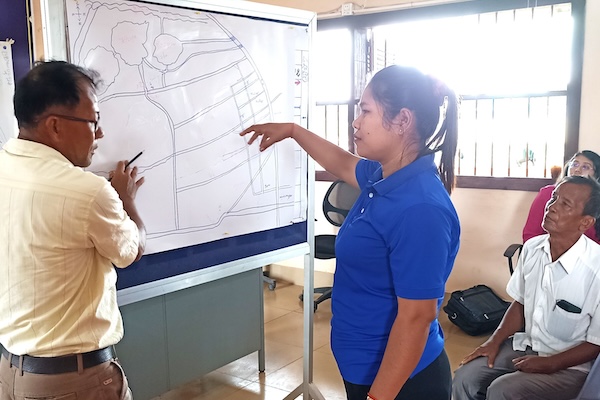
Cambodia designates aquatic foods as a national priority, integrating fish into nutrition, agriculture and development planning.
Alaska seafood processors are turning fish skins and heads into pet products, heeding environmental mandates for greater utilization of byproducts.
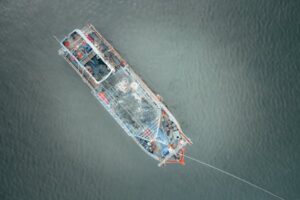
ILO survey finds 13 percent of migrant fishery workers in Southeast Asia face forced labor, with highest risks at sea.
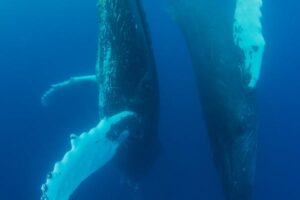
Study finds shrinking cool-water habitat raises humpback whale entanglement risk and could help forecast danger years ahead.
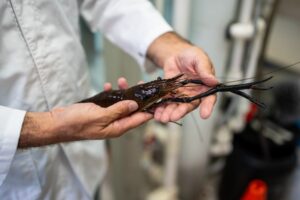
An Indigenous-led partnership in Queensland is developing hatchery methods to enable commercial giant freshwater prawn farming industry.
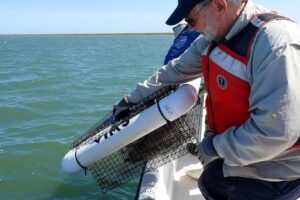
By filtering parasites from the water, oysters can lower disease risk for juvenile blue crabs, adding to the ecological benefits of oyster reefs.
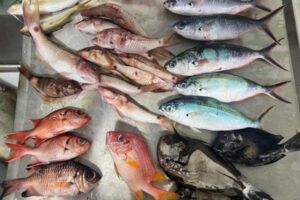
Microplastics in fish are widespread across Pacific island waters, raising risks for ecosystems and food security in remote regions.
Ocean temperatures hit record highs in 2025, signaling accelerating climate change and its growing influence on weather worldwide.
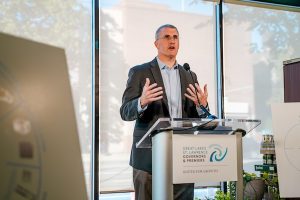
Most Great Lakes commercial fish waste is no longer landfilled, as companies commit to full utilization and new markets for byproducts.
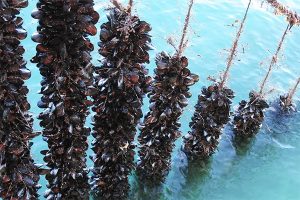
Aquatic foods can contribute to a healthier population and a more resilient food system by bringing together research and sustainable seafood supply chains.

New two-year pact aims to improve labor conditions in Pacific fisheries through capacity-building and enforcing international standards.

Efforts in Indonesia and Zambia are closing the gender gap in aquaculture and fisheries, highlighting women’s contributions and leadership.

The Welsh government has launched a study to measure the carbon footprint of its seafood industry and guide its transition to net-zero.

WWF and Schmidt Marine will help SeaForester scale kelp forest restoration technology and expand ocean reforestation efforts worldwide.

The Philippines holds its first national dialogue on decent work in aquaculture, uniting stakeholders and unveiling new ILO research.

As the aquaculture industry expands, a standardized approach to assess the impact of aquafeeds on biodiversity can inform decision-making.