
Scientists use lobster tags to study how offshore aquaculture restores marine habitats
The Ropes to Reefs project uses lobster tagging to assess the wider benefits of the UK’s first large-scale offshore mussel farm.



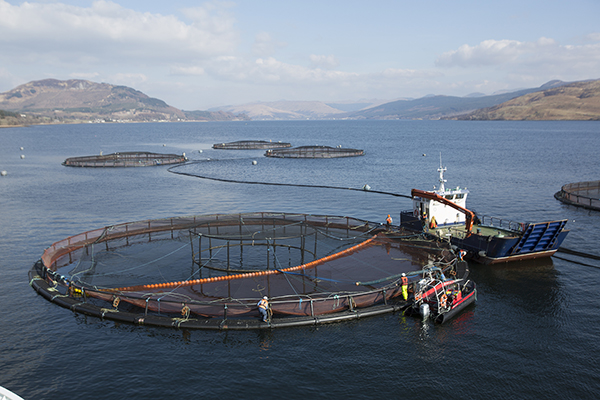
The Sustainable Aquaculture Innovation Centre (SAIC) has awarded funding to assess the efficacy of novel sea lice vaccine technology.
The Ropes to Reefs project uses lobster tagging to assess the wider benefits of the UK’s first large-scale offshore mussel farm.
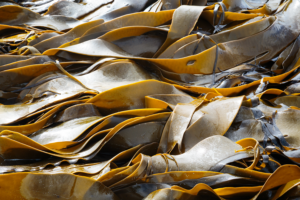
NOAA Fisheries’ State of Alaska Aquaculture Report paints a promising picture, but local producers face a raft of post-harvest challenges.
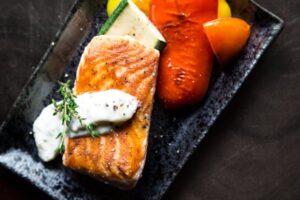
University of Stirling researchers find that pescatarians’ preference for fish over land animal meat is rooted in perceived distance.

Combining artificial intelligence and IoT technology could help monitor marine plastic waste or marine biodiversity, scientists say.
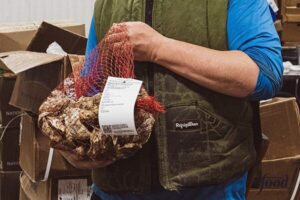
BlueTrace's 430 clients across North America have collectively printed more than 5 million seafood traceability tags to date.

Follow the Responsible Seafood Advocate’s coverage of the North Atlantic Seafood Forum in Bergen, Norway.
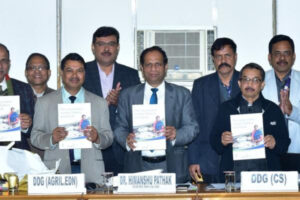
A recent study found most Indians eat fish, and if this trend continues, fish consumption in India is projected to double by 2048.
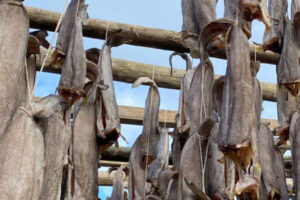
Cusk could become a commercial success with expanded availability and marketing strategies, Norwegian researchers conclude.
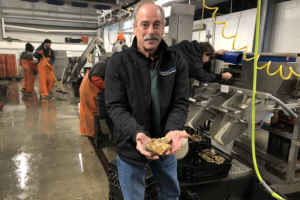
Climate change dictates how oyster farmers operate. To handle heavy rainstorms, Bill Mook's latest adaptation includes underground water tanks.
Seafood traceability solutions providers Trace Register and Wholechain have connected their two tracking systems.
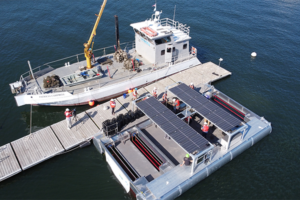
A prototype of Solar Oysters' solar-powered oyster production system will operate on Hoopers Island Oyster Company’s lease in 2024.
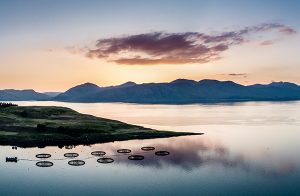
Can a new consenting process for Scottish salmon farms lead to efficiencies and improved community engagement?
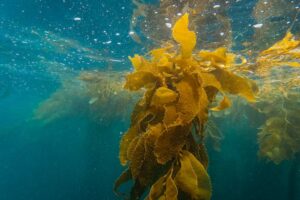
A new global research project leverages environmental DNA to better measure and understand the carbon sequestration potential of kelp.

With "careful consideration," policies can enhance benefits and minimize conflict between aquaculture and small-scale fisheries.

Rabobank analysts predict better supply for salmon aquaculture and fishmeal in 2024, but low market prices for shrimp may become “the new normal.”