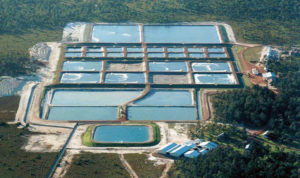
Changing paradigms in shrimp farming, part 3
Square-shaped and deep ponds may explain partially why Belize Aquaculture is able to produce a large amount of shrimp on a unit area basis.




Cage culture of yellowtail (Seriola quinqueradiata) in Japan is one of the most traditional and profitable aquaculture industries worldwide.
Square-shaped and deep ponds may explain partially why Belize Aquaculture is able to produce a large amount of shrimp on a unit area basis.
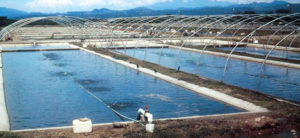
Tilapia farming in Honduras began with the Special Tilapia Project farm, the first tilapia farm producing exclusively to supply the export market.

The domestication and genetic improvement of farmed prawns has been slow compared to that of some other aquatic species and most terrestrial livestock.
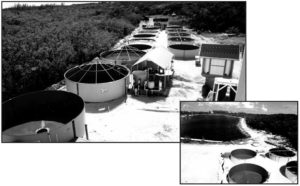
Grassy Key Aquatic Center and the University of Miami combined to refine aquaculture technology of mutton snapper other marine fish species.
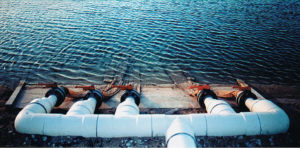
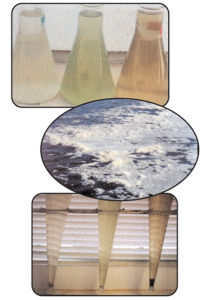
A zero-water-exchange strategy to produce shrimp reduces the effluents and sediments that would normally be released to the environment by a typical intensive shrimp farm.
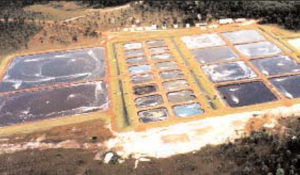
The focus at Belize Aquaculture Ltd. was to use clean animals that perform well at high densities and in waters with high nutrient loads.
Conventional wisdom for farming white shrimp involves semi-intensive culture in large ponds, routine water exchange and reliance on wild broodstock.