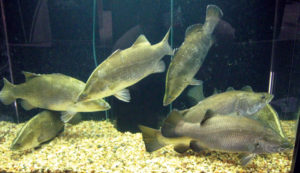
DNA barcoding applications in aquaculture
DNA barcoding is an exciting tool for the identification of fish. Even non-taxonomists can classify organisms through the molecular taxonomy technique.



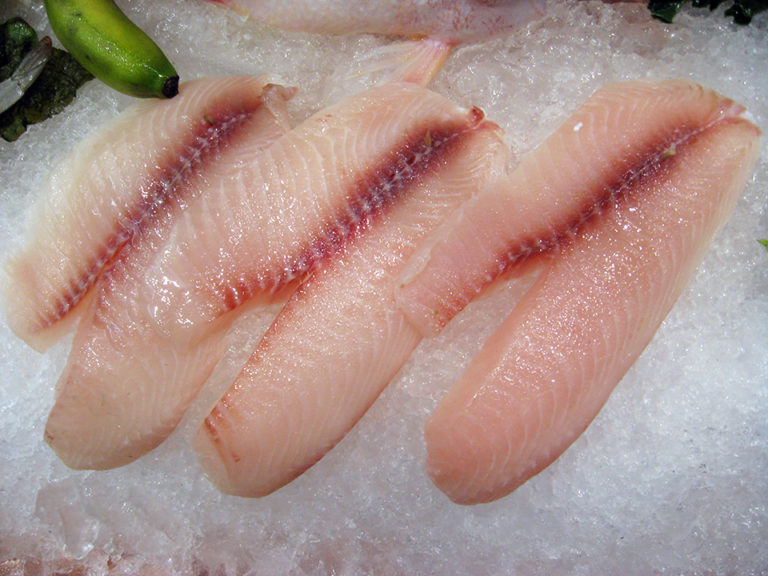
A survey of major market sectors to identify further market potential for fresh tilapia found that both big-box retailers and traditional grocery stores offered little room for achieving premium prices for tilapia fillet products.
DNA barcoding is an exciting tool for the identification of fish. Even non-taxonomists can classify organisms through the molecular taxonomy technique.
When the price for a newly introduced seafood product was unknown to consumers, a study found, price consciousness affected purchase intentions among consumers with high levels of general product category knowledge.
An investigation into ammonia-like odors in tilapia fillets that could result in product rejection traced the source to moisture-retention chemicals.
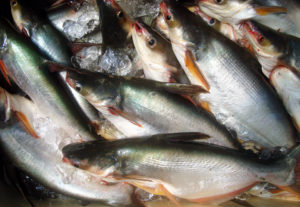
In a study of Norwegian consumers asked to evaluate pangasius fillets, the extrinsic cues corporate social responsibility, endorsement and country of origin had different effects on evaluative variables.
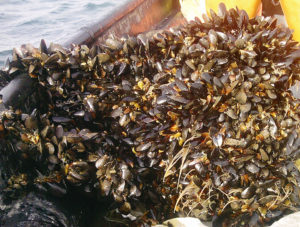
While Chile’s mussel industry has entered a growth phase, challenges remain, especially in the seed production and grow-out components. This contrasts with the well-developed nature of the country’s processing plants and marketing outlets.
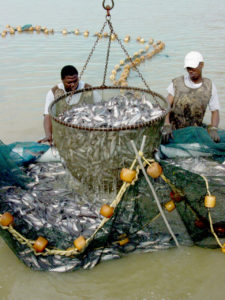
The authors conducted a study to determine whether channel catfish systematically develop off-flavors after partial harvest as well as the possible origins of the flavors.
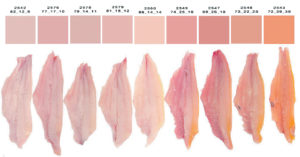
The author developed a protocol for the consistent measurement of catfish fillet color using a camera and properly calibrated software.
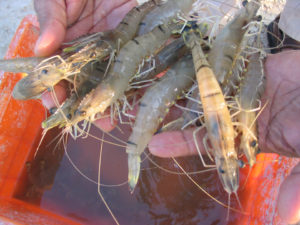
Off-flavors in seafood can stem from a variety of sources. Industrial effluents can at least secondarily contribute to off-flavors in fish. Off-flavor oxidative carbonyl compounds increase during cold storage of some farmed fish.
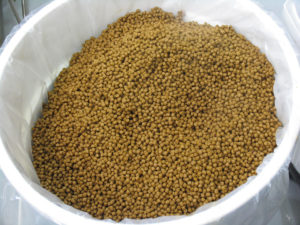
Off-flavor compounds produced by low-molecular-weight amine compounds present in fish are degraded into ammonia or other nitrogenous compounds during storage.
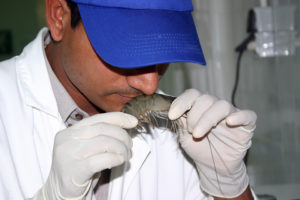
Off-flavors in pond and recirculating aquaculture systems have occurred through the biological production of geosmin and 2-methylisoborneol. The compounds are rapidly absorbed through the gills of fish, but depuration can require days or weeks.
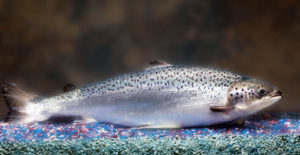
If approved by FDA, fast-growing genetically modified salmon will provide a safe and nutritious product similar to other farmed Atlantic salmon.
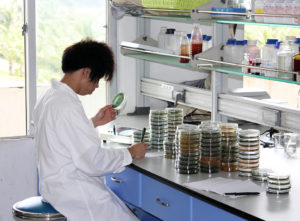
A zero-tolerance precautionary approach to certain antibiotics in food has proven unworkable as a result of continuing analytical progress for food safety.
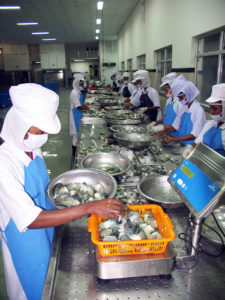
Freshwater shrimp can contain pathogenic bacteria that cause illness unless care is exercised by producers, retailers and consumers. Many of the human pathogens can survive frozen storage, but are killed or inactivated by thermal processes.
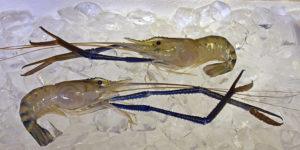
Spoilage in freshwater prawns is endogenous rather than exogenous and results from proteolytic enzymes in the cephalothorax.
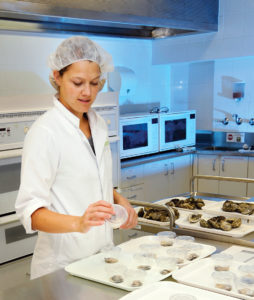
A pilot study on the sensory properties of Pacific oysters and abalone conducted at the CSIRO Sensory Laboratory in Australia found differences among the samples produced in different growing conditions and regions.