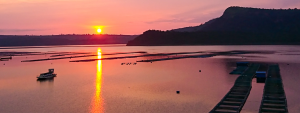
Ghana’s Lake Volta tilapia farming leader eyes a new growth curve
Francisco Murillo discusses how Tropo Farms is modernizing tilapia farming in sub-Saharan Africa and building the Volta Catch brand in Ghana.



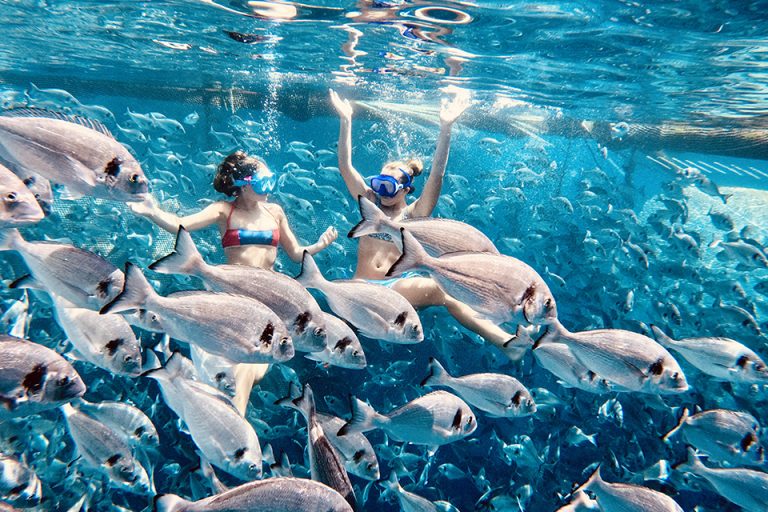
Greece is embracing aquaculture tourism initiatives, leveraging sustainability and immersive experiences to enhance a thriving blue economy.
Francisco Murillo discusses how Tropo Farms is modernizing tilapia farming in sub-Saharan Africa and building the Volta Catch brand in Ghana.
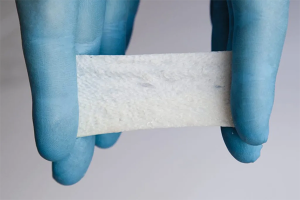
Danish medical products company Coloplast will acquire Kerecis, a biologics wound-care company in Iceland using fish skins to heal wounds.

Oceans Balance in Maine secured an industrial kelp dryer from South Africa that has the capacity to process other local seaweed farming producers’ plants.
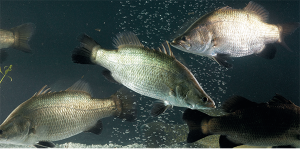
Artificial intelligence can "push the boundaries of aquaculture" to help meet global food demand, says a University of Queensland researcher.
A new tool from GDST is designed to help assess progress in implementing seafood traceability standards across the supply chain.
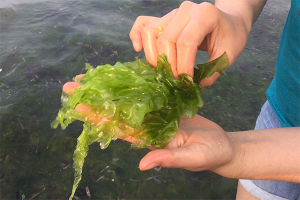
Integrated biofloc culture of Pacific white shrimp, Nile tilapia and U. lactuca is feasible with shallow floats up to 10 cm in depth.
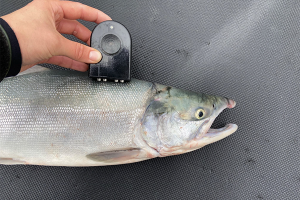
Salmon processors are using a bioelectrical impedance analysis device as part of a wider commitment to improving product quality.
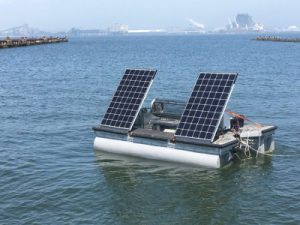
Survival rates of over 90 percent were observed using solar-powered oyster production technology, leading to the placement of a second spat.
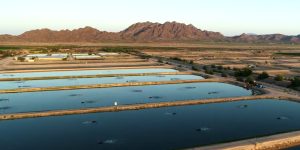
Shrimp farming in the desert may seem outside the box for the Middle East region, but Oman is keen to develop its aquaculture sector.
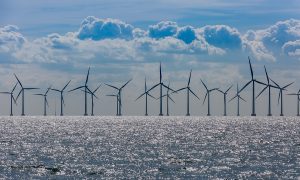
The New England fishing industry is worried that the approval process for a massive offshore wind farm off the coast of Rhode Island is moving too fast.
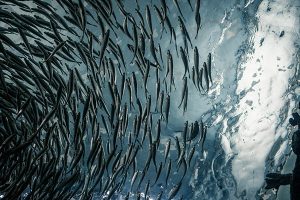
Digital technology solutions may help lower the carbon footprint of aquaculture operations while improving business outcomes.
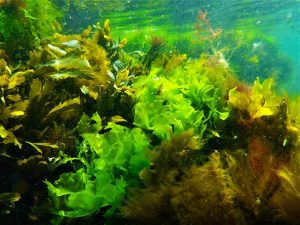
Study finds the number of sea lettuce species is much larger than previously known, with possible benefits for expanding aquaculture.
A poll commissioned by the Walton Family Foundation finds most Americans believe ocean health and sustainable seafood need urgent protection.

With wildfires raging across Canada, Nova Scotia's seafood industry faces lobster fishing, aquaculture and supply chain disruptions.

Researchers suggest seagrass and mangrove restoration could also remove carbon through a novel pathway while combating ocean acidification.