Irish oyster farmer develops AI system to detect oyster mortalities by sound
An AI system developed in Ireland uses sound to detect oyster mortalities, aiming to reduce losses faced in the oyster aquaculture industry.



Seaweed farming could enter a new era of efficiency as Maine researchers unveil an analytic tool designed to help farmers boost profitability.
An AI system developed in Ireland uses sound to detect oyster mortalities, aiming to reduce losses faced in the oyster aquaculture industry.
Brazilian scientists create biodegradable food packaging film from tambatinga fish skin as a potential alternative to plastics.
SAMS researchers develop a land-based method to grow dulse, cutting mortality and enabling year-round red seaweed production.
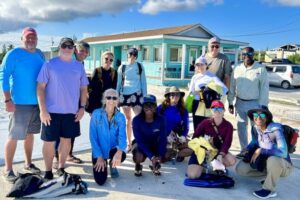
A 12-month FAU study in The Bahamas will assess market potential, farm design and environmental benefits of scalable queen conch aquaculture.
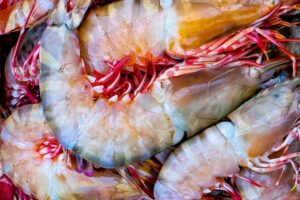
Tariff twists, Ecuador’s growth and lingering U.S. inventories are redefining the global shrimp market after an unexpectedly strong 2025.
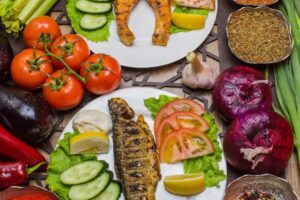
A long-term study finds women who follow a Mediterranean diet rich in fish and plant foods have a lower risk of all types of stroke.
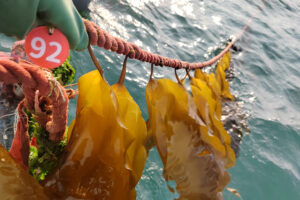
Seaweed farming research reveals triploid breeding that creates heat-tolerant, fast-growing kelp, boosting yields and cutting ecological risk.
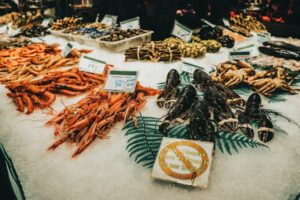
Fish consumption is down in Europe, as higher prices, changing habits and competition from cheaper proteins reshape demand.
A new report explores how the global shrimp industry can eliminate waste by transforming processing byproducts into valuable products.
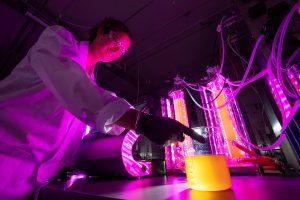
The toxic microalga Alexandrium pacificum, known for producing harmful algal blooms, has potential as a powerful pain-relieving compound.
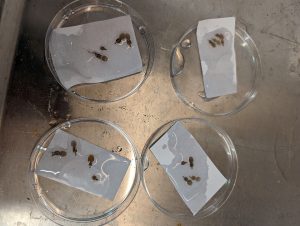
Is the depth preference for salmon lice larvae influenced by their environment? Management strategies may trigger evolutionary responses.
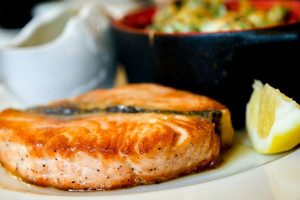
A global review finds most people aren’t consuming enough omega-3 fatty acids in their diets, flagging the need for clearer guidelines.
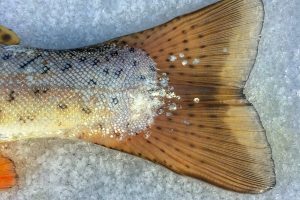
Deep learning can identify wild vs. farmed salmon with 95% accuracy, possibly helping to track escapees and protect declining wild stocks.

Nova Scotia launches a compliance unit with new penalties, audits and enforcement tools to target illegal seafood activity.
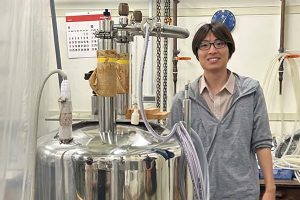
Scientists at Okayama University of Science hope to boost astronaut survival by taking aquaculture where no man has gone before.