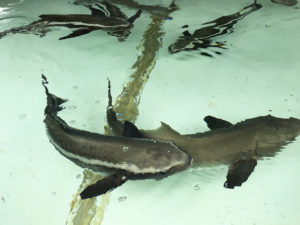
Surge of off-flavor solutions for RAS continues
Startup companies in Ireland and the United States offer solutions for RAS operators seeking to mitigate the metabolites that cause off-flavors.



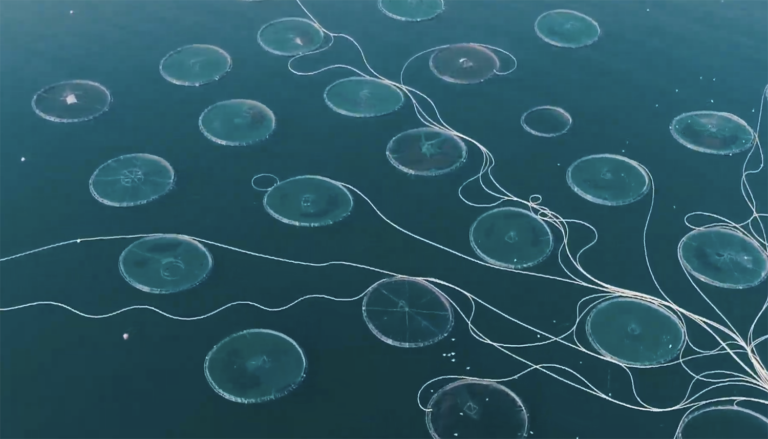
Hatch Blue’s fourth cohort performed their pitches online for the first time, showcasing a spectrum of aquaculture product and service businesses.
Startup companies in Ireland and the United States offer solutions for RAS operators seeking to mitigate the metabolites that cause off-flavors.
The Orkney Shellfish Hatchery aims to aid the restoration of iconic U.K. fisheries – native flat oysters, clawed lobsters and their coastal communities.
ScootScience, a data management, analytics and underwater forecasting company, is helping a B.C. salmon farmer mitigate the impacts of nature.
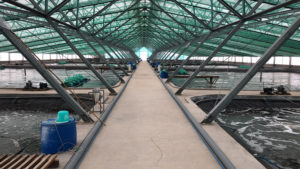
A collaboration between Viet-Uc Seafood Corporation and CSIRO of Australia develops improvements in super-intensive indoor shrimp farming technology.
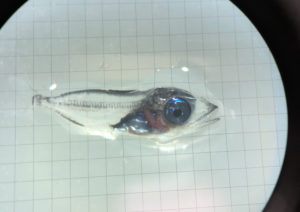
San Diego-based bluefin tuna hatchery and feed company Ichthus Unlimited aims to make tuna ranching a more sustainable and reliable option.

Aquaterra® is the third of three finalists for the Global Aquaculture Alliance’s Annual Global Aquaculture Innovation Award for its omega-3 solution.
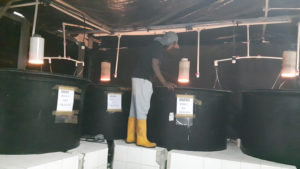
Farmed shrimp eyestalk ablation research is one of three finalists for the Global Aquaculture Alliance’s annual Global Aquaculture Innovation Award.
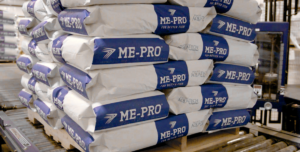
An alternative aquaculture feed ingredient made in the American Plains is a finalist for GAA’s annual Global Aquaculture Innovation Award.
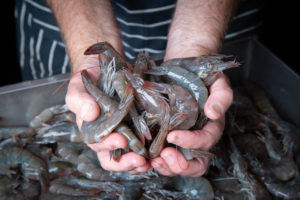
U.K. prawn farms FloGro Fresh and Great British Prawns believe demand for trusthworthy, local food will carry them past the COVID-19 market disruption.
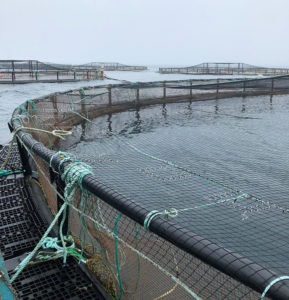
The aquaculture industry is paying greater attention to net technology, in terms of materials and maintenance, because of its impact on the bottom line.
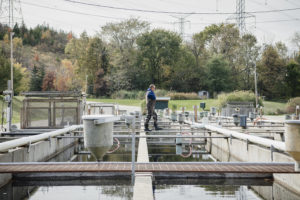
Data tools and remotely operated feeding systems are just a couple ways aquaculture is accomplishing social distancing during the coronavirus pandemic.
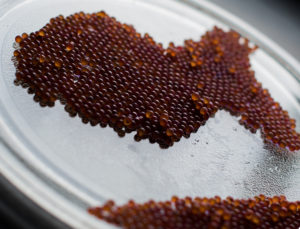
Automated egg-sorting technology developed by GenetiRate is being tested by prominent aquaculture companies and showing promising results.
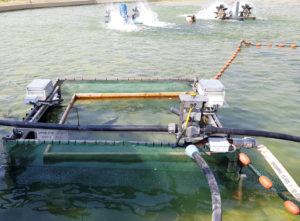
With a novel in-water sorting technology in the works, Agam says automating labor-intensive tasks on fish farms can improve accuracy and harvest yield.
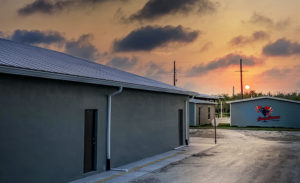
CP Foods’ Robins McIntosh is turning a 40-acre site in Florida into a next-generation shrimp farm, producing 1,000 tons annually with zero waste.
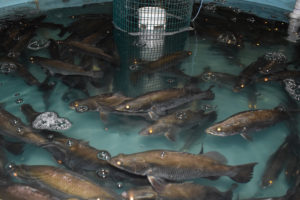
There are lessons to be learned for aquaculture amid the coronavirus pandemic that's impacting life and business at every level. We explore a few perspectives.