
Oxygen injection system helps manage D.O. in salmon cages
A commercial oxygen injection system tested in Norway maintained D.O. at levels that sustained growth and increased the harvested biomass.



Penaeid shrimp need the same nutrients required by all animals, including protein, lipids, energy sources, vitamins, minerals, oxygen and water.
A commercial oxygen injection system tested in Norway maintained D.O. at levels that sustained growth and increased the harvested biomass.
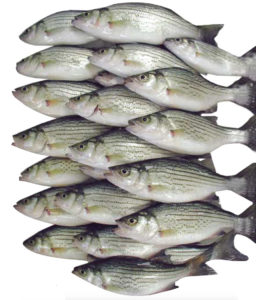
The Quality Index Method provides guidelines for objectively assessing seafood freshness with specific criteria for individual species.
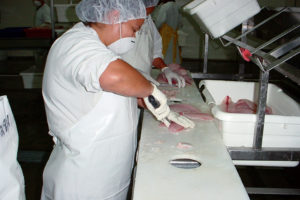
While freezing, salting, smoking and irradiation can minimize growth biogenic amine formation, special care from harvest through consumption can prevent scombrotoxin poisoning.
Since biogenic amines are a health issue in seafood, harvesters and processors should understand what conditions encourage their formation, where they form in fish, and how they are affected by bacterial flora.
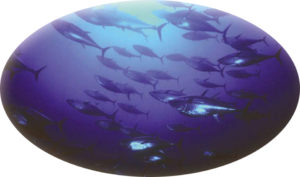
Without proper control of seafood handling and processing, high amino acid content and bacterial activity can rapidly elevate concentrations of biogenic amines like scombrotoxins.
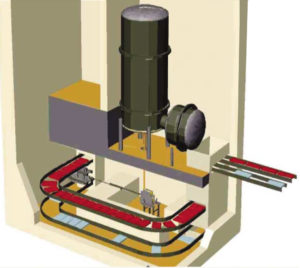
Electron beam treatment can inactivate pathogens in foods. E-beams could be applied to fish as a pasteurization/sterilization step without changing product temperature.
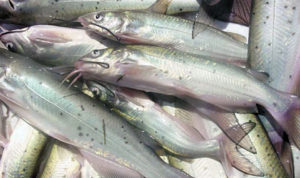
In a challenge study of catfish families identified as resistant or susceptible to enteric septicemia (ESC), immune response was activated 24 hours earlier in resistant families and bacterial levels were suppressed.
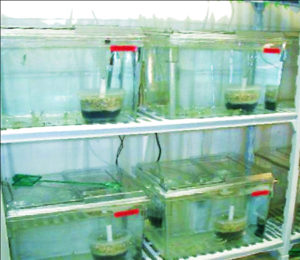
Juvenile SPF Kona-line shrimp were injected with V. penaeicida, causing significant disease, but certain bacterial concentrations allow survival long enough for additional testing.
Technical literature varies in reporting the ability of vitamins to improve fish survival and resistance to disease following infection with pathogens.
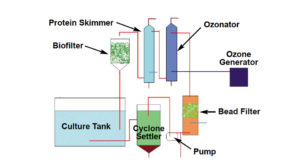
RAS technology can be applied to shrimp culture. The author developed a small-scale prototype RAS for shrimp larval culture that successfully reared monodon nauplii to PL15.
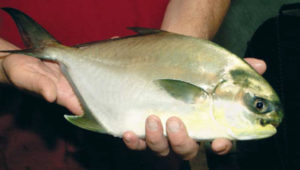
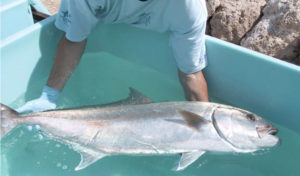
U.S. trials indicated wild-caught pampano could be feed trained and spawned in captivity via hormonal induction. Observations of fecundity, egg fertilization rates, and spawning frequency suggested that quantities of pompano seedstock could be produced over time. Although survival during test larviculture was low, the trials showed pompano larvae can be reared following standard commercial practices.
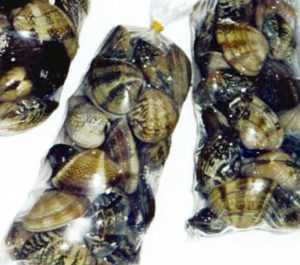
Although hepatitis E is infrequent in developed nations, additional cases may occur due to global travel patterns and importation of seafood.
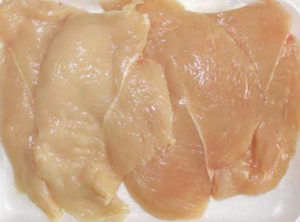
Studies show that peracetic acid can reduce microorganisms on food products and effectively act against pathogenic and spoilage organisms.
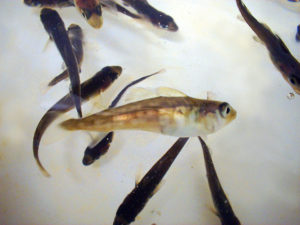
The nodaviruses that can infect the nervous systems of Atlantic cod threaten further expansion of the burgeoning cod-farming industry.
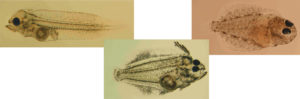
Although aquaculture offers potential for the production of California halibut, several aspects of production have yet to be optimized.