Partial harvest-biofloc system promising for Pacific white shrimp
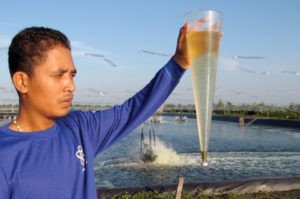
In a study in Indonesia, increases in efficiency in power use resulted from the combined application of biofloc technology and partial harvest.
Vaccination combined with good disease management can improve fish survival, improve feed conversion, reduce costs and secure predictable production.
In a study in Indonesia, increases in efficiency in power use resulted from the combined application of biofloc technology and partial harvest.
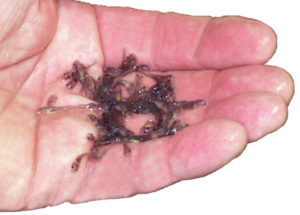
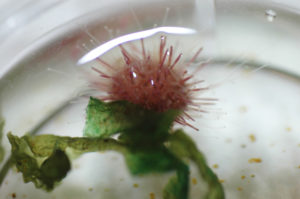
Cost-effective seedstock supply is needed for commercial production of sea urchins. Metamorphosis from free-swimming planktonic larvae to benthic grazers has presented a significant challenge.
Some transgenic fish – lines of “high-growth” tilapia, salmon and carp – are nearing the stage at which they could be considered for commercial production.
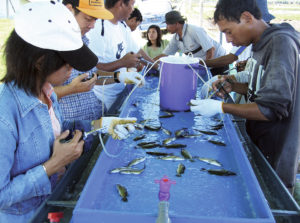
Modular production of channel catfish offers better inventory control, takes advantage of early-age growth rates and reduces harvest-size variation.
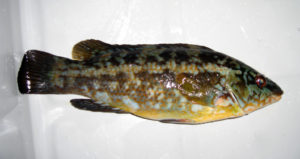
U.S. demand continues for largemouth bass in sport fish stocking and live markets, whereas Asian consumers prefer live largemouth over most freshwater fish.
United States government inspectors use their highly trained noses to determine whether imported seafood should enter U.S. commerce.
Flavor is an important seafood quality attribute that can be affected by preharvest conditions. Off-flavors are a result of natural enzymatic, oxidative and bacterial spoilage processes.
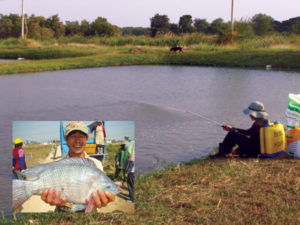
With a range of positive attributes, pangasius has become one of the largest aquaculture commodity products in the world. The fast-growing fish resist low dissolved oxygen at high stocking densities and require little fishmeal in diets.
Higher production typically results in higher profits at channel catfish farms, but ponds must be individually managed to maximize production.
Hepatopancreatic parvovirus is linked to growth retardation in shrimp. In a study, the genomic sequences of HPV from Madagascar and Tanzania were compared to those from Australia, Thailand and Korea.
As with other species, varied health problems – and treatments – related to parasites and bacteria have been encountered in pangasius catfish.
Ultrasound may serve as an alternative to chemical treatments in channel catfish production. In studies, controlled application of ultrasound did not significantly affect catfish feed consumption and weight gain.
Sodium bicarbonate is a useful chemical in recirculating aquaculture systems and fish transport tanks. However, two common uses of the compound in pond culture – to remove carbon dioxide and treat off-flavors – do not work.
In studies, the authors found no significant difference in internal susceptibility to WSSV infection between shrimp in different molt stages.
Since catfish fry survival lowers if subjected to an abrupt pH rise of 0.5, the authors recommend measuring pH in transport tanks and receiving ponds and the addition of buffering agents to transport tanks.