Perspectives for red-banded sea bream culture
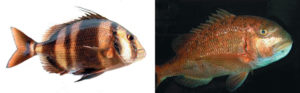
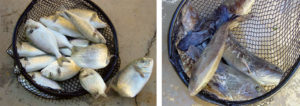
Red-banded sea bream could be farmed in systems designed for other sparid species. The authors’ facilities have achieved spontaneous spawning.
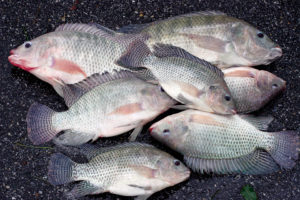
A study of Nile tilapia provided feed with varying dietary lipid sources found that fish fed a diet with beef tallow exhibited poorer survival and growth performance than fish fed diets with plant oils, fish oil, or combinations of oils and tallow.
Red-banded sea bream could be farmed in systems designed for other sparid species. The authors’ facilities have achieved spontaneous spawning.
Using a series of equations, energy and protein requirements for every fish species can be calculated and adapted to changing conditions.
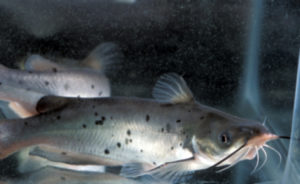
The freshwater drum is a proposed snail-control vector in catfish ponds. In tank studies the drum showed high survival and reduced snail populations.
The authors developed an efficacious combination vaccine against P. piscicida and L. garvieae for yellowtail and amberjack. Field trials showed positive results, and the vaccine was approved for use in Japan.
In a study, vaccination of juvenile tilapia by bath immersion followed by two booster vaccinations stimulated specific antibody responses and protection against S. iniae challenge.
The foundation of a successful integrated aquaculture company is reliable production of healthy postlarvae. Methodical breeding selection of the offspring from carefully managed broodstock can lead to improved disease resistance and higher growth rates.
Combined analyses of SPF shrimp from six imported lines and one commercial genetically improved line in Brazil found excellent winter performance.
Studies at a commercial sturgeon farm that experienced serious disease effects from varied bacterial pathogens in fish yielded positive results for probiotic treatments.
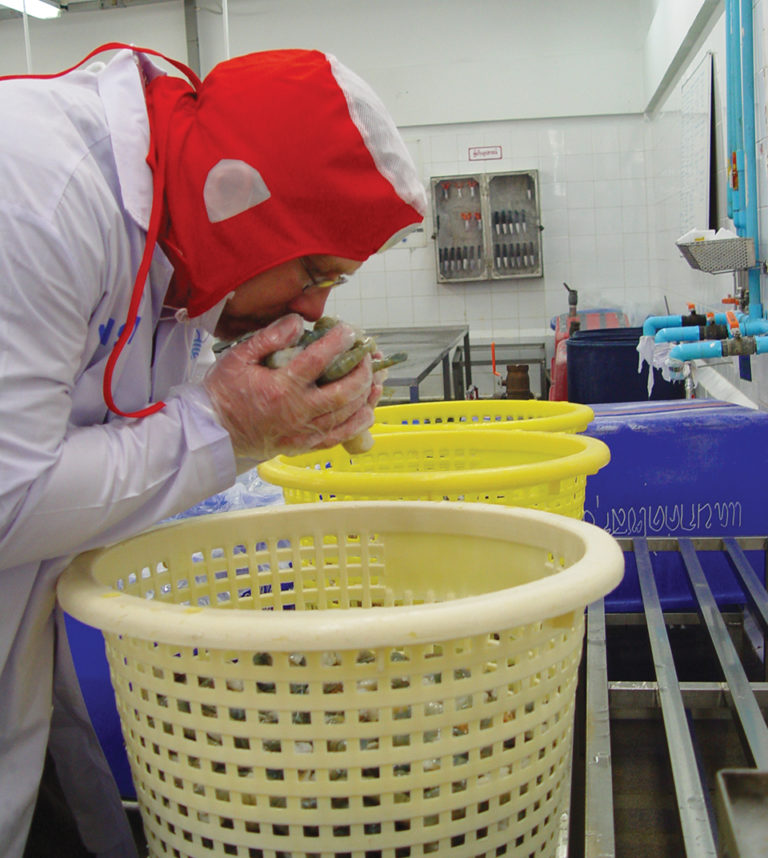
Although histological studies of shrimp that consumed feed with the suspect ingredients found crystals of salts of melamine in antennal glands, the crystals did not affect the shrimp.
White tail disease in shrimp can result from various conditions. Infectious Myonecrosis is a significant disease of white shrimp in both Latin America and Asia.
Selenium in ocean fish is essential for human immune function and required for vital tissues like brain and hormone-producing organs. The trace element also can counter some of the impacts of methylmercury in fish.
Resistance to antibiotics is unavoidable because it is an aspect of bacterial evolution. Resistant microflora have been observed in water that has not had recent contact with antimicrobial agents.
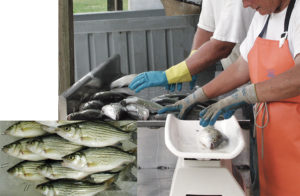
Sheepshead are robust, adaptable, omnivorous fish that are cheap to feed and can be grown in ponds, cages, tanks or raceways in saltwater or freshwater.
Tilapia in culture are affected by bacterial, viral and parasitic pathogens. Disease impacts vary depending on both environmental and biological factors.
In a trial, rearing density affected the mean weight and weight gain of pompano, although differences between treatments became apparent toward the end of the study.