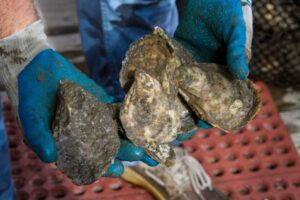
New virus linked to oyster die-off in B.C. raises concerns for shellfish aquaculture
Scientists identify a new virus in Pacific oysters after a mass die-off in B.C., raising concerns for shellfish aquaculture biosecurity.



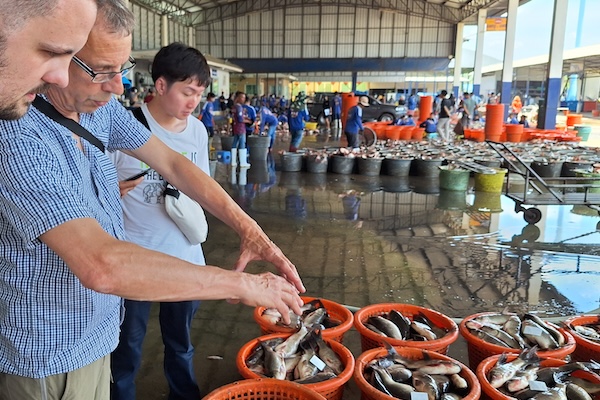
The University of Stirling has received $2.6M to improve fish welfare in Southeast Asia and promote responsible aquaculture practices.
Scientists identify a new virus in Pacific oysters after a mass die-off in B.C., raising concerns for shellfish aquaculture biosecurity.
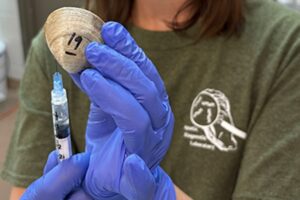
New qPCR test detects hemocytic neoplasia early in hard clams, improving harvests and sustainability in shellfish aquaculture.
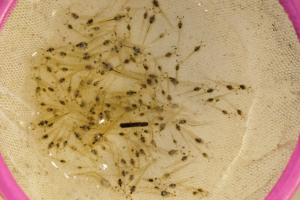
The supplementation of N-acetyl-L-cysteine and lauric acid in Pacific white shrimp diets can enhance growth, antioxidant and immune responses.
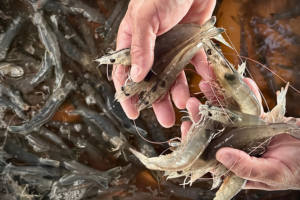
Study provides guidelines to optimize shrimp stocking density in biofloc systems with limited water exchange to balance productivity with sustainability.
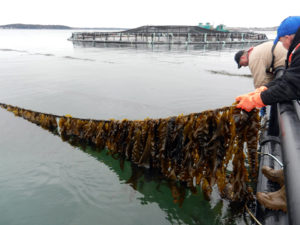
Nestlé explores integrated multi-trophic aquaculture through global projects to boost sustainability, ocean health and food production.
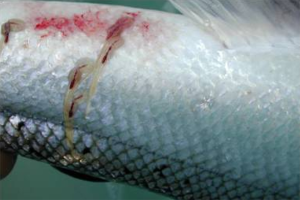
Study links Pacific salmon’s rapid immune response to sea lice resistance – insights that could benefit Atlantic salmon farming.

P. undulata is a promising biocontrol for vibriosis in tilapia farming and a novel strategy for disease management and reducing antibiotics.
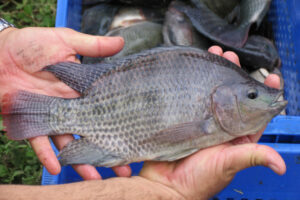
Integrating ultrasonography into farming can enhance selective breeding programs, improve production efficiency and promote sustainable aquaculture.
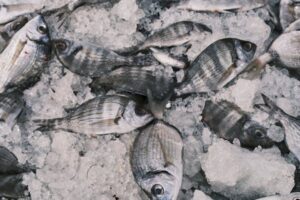
New study measures fish suffering during slaughter, offering data-driven, cost-effective solutions to improve animal welfare globally.
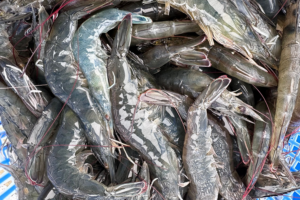
Results underscore the importance of water quality in shrimp aquaculture systems to increase survival and limit damage to various tissues and organs.

New training helps aquaculture workers detect and manage harmful algal blooms, protecting fish health amid rising ocean temperatures.
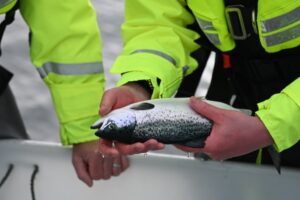
Scientists discover stem-like skin cells in salmon that aid healing, offering new ways to boost fish health and survival in aquaculture.
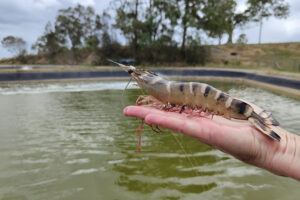
A blueprint for the Brazilian shrimp industry demonstrates the potential for local breeding programs to mitigate the spread of infectious diseases.
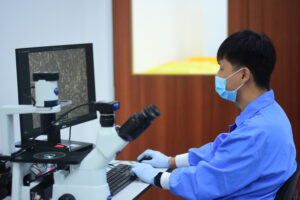
Umami Bioworks’ Arbiter versatile new tool aims to improve safety by detecting pathogens faster and cheaper while addressing several other needs.
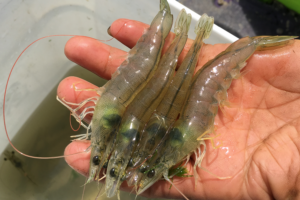
Study offers insights into optimizing shrimp supply chain strategies and proposes gut microbiota biomarkers for improving muscle quality.