
A shocking innovation: Electric fences show promise in sea lice prevention
Electric fence technology could block sea lice at the infectious stage, boosting fish welfare and cutting costs for salmon farms.



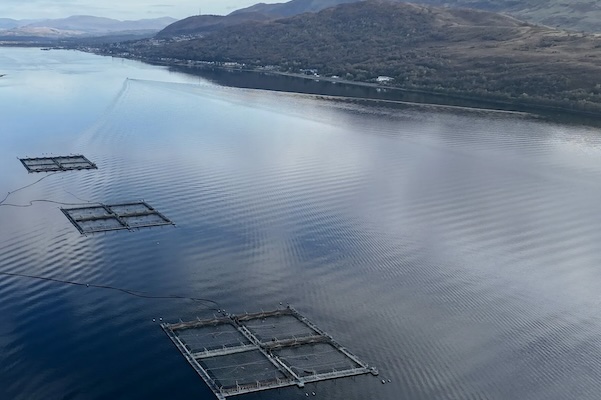
A multi-year study will examine if a mass salmon escape during an October storm left any genetic impact on wild salmon populations.
Electric fence technology could block sea lice at the infectious stage, boosting fish welfare and cutting costs for salmon farms.
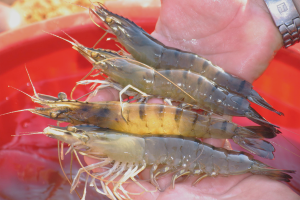
Because water quality and microbial composition are closely linked, pond management is essential to maintain ecological stability and shrimp health.

Tasmanian salmon farmers say selective breeding has produced fish with improved tolerance to heat and disease after a major mortality event.

Research indicates that dietary lysolecithin can improve metabolic efficiency, tissue quality, yields and reduce feed waste in L. vannamei culture.
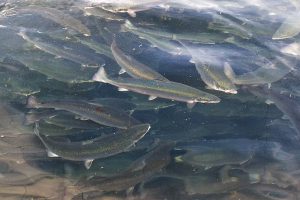
A new resource from Nofima and the Institute of Marine Research aids salmon farmers in monitoring and improving fish welfare during crowding.
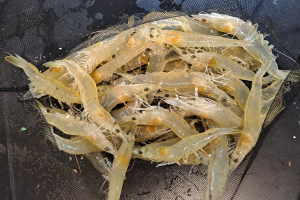
Synbiotic systems can be considered a promising approach for the super-intensive culture of P. vannamei in low-salinity water.
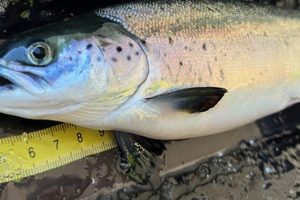
Nofima study finds farmed salmon raised in warmer freshwater grew faster and thrived in seawater, but higher temperatures may impact health.
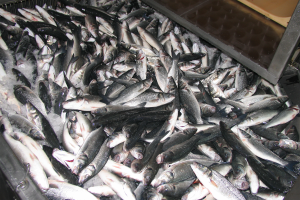
Findings offer support for developing pre-slaughter provisions like electrical stunning, aligning ethical progress with commercial feasibility.
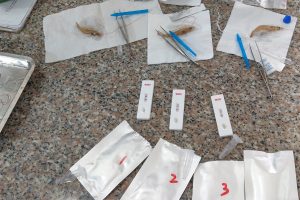
InnoCreate pioneers the first rapid test for white spot syndrome virus (WSSV), giving shrimp farmers fast, affordable on-site detection.
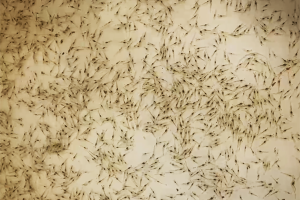
Taurine can enhance the osmoregulatory capacity of shrimp postlarvae to low-salinity stress, improving their ability to acclimatize.
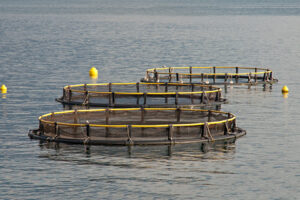
Cermaq Canada credits Ahousaht partnership after first salmon cycle with zero sea lice treatments and record-low lice levels.
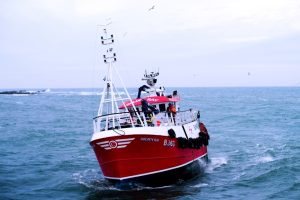
A new on-board machine that stuns and tails nephrops could transform UK scampi fishing with better animal welfare, safer crews and higher value.
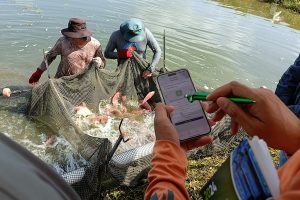
FAI launches a free online training program on tilapia aquaculture, with five modules focused on fish welfare, health and farm productivity.
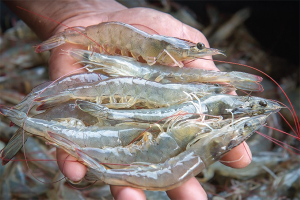
Study shows that Pacific white shrimp broodstock with good sperm quality can improve fertilization rates and potentially increase nauplii production.
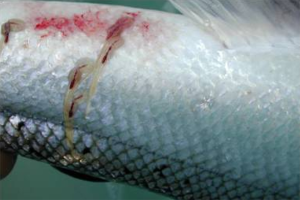
Norway’s salmon farms faced the worst sea lice season in over a decade in 2024, with infestations up 30 percent amid ocean warming.