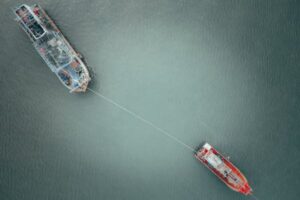
ALI report spotlights emerging animal welfare practices in commercial fisheries
The Aquatic Life Institute highlights animal welfare innovations for fisheries, linking humane practices to sustainability and product quality.



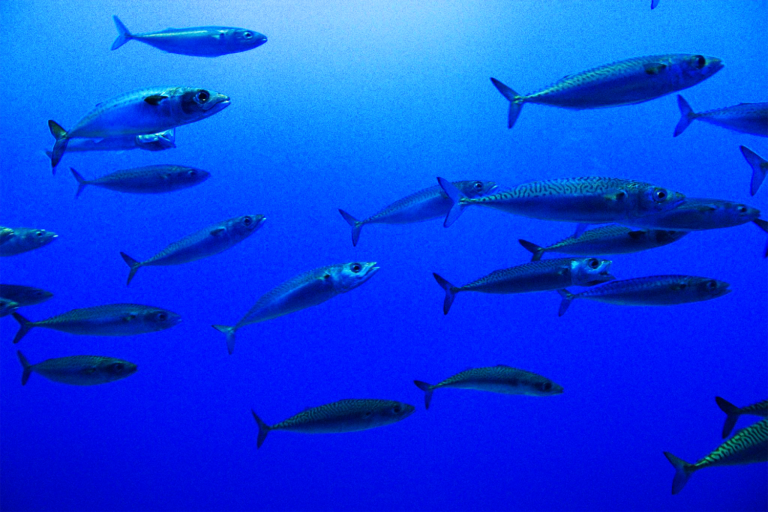
Study results can help estimate and predict chub mackerel distributions during early life stages, subsequent exploitable abundance and fishery production.
The Aquatic Life Institute highlights animal welfare innovations for fisheries, linking humane practices to sustainability and product quality.
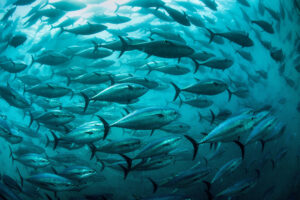
Catch limits, quotas and aquaculture have helped rebuild Pacific bluefin tuna fisheries after the spawning stock biomass plummeted to a historic low.
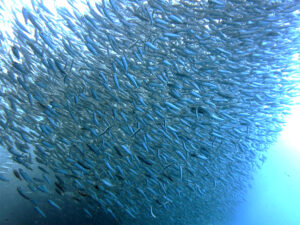
An understanding of the impacts of climate change and economic expansion on small pelagic fisheries offers insights for scientific fishing strategies.
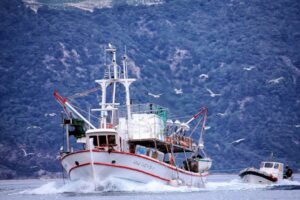
OECD report warns subsidies risk fueling overfishing and illegal fishing, and urges targeted funding to strengthen fisheries management.
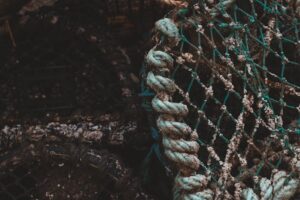
Scientists in Norway are developing biodegradable fishing gear to reduce plastic pollution in the ocean and prevent harmful microplastics.
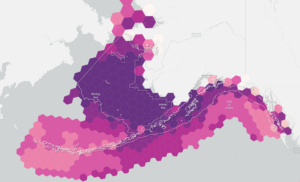
An open data platform may make ocean data accessible and actionable through location analytics, digital maps, dashboards and web portals.
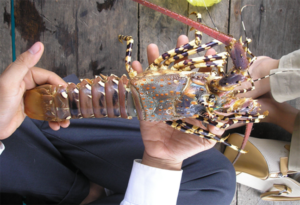
Genome sequencing could inform research for cost-effective point-of-origin testing to promote trade of sustainably managed natural resources.
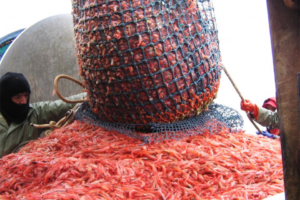
A use-case approach can be applied for fisheries management when evaluating whether a new measuring technology can replace an existing one.
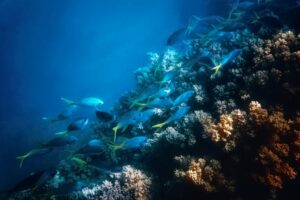
Proposed ocean conservation model protects marine ecosystems while boosting local economies, proving nature and human prosperity can coexist.
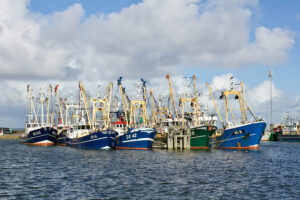
Improved international tracking and sustainability metrics for seafood production and consumption are critical to sustainability efforts.
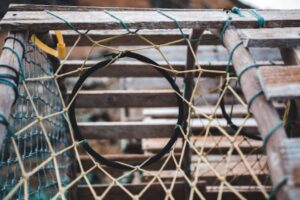
University of Maine research is measuring the socioeconomic resilience of the state's iconic lobster fishery and its supporting communities.
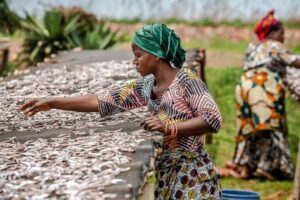
New study highlights small-scale fisheries’ critical role in global food security, nutrition and livelihoods, urging stronger policy support.
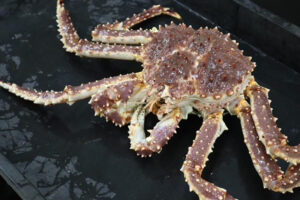
Using whole genome sequencing, researchers find substantial genetic diversity in king crabs, with up to six or seven genetically distinct populations.
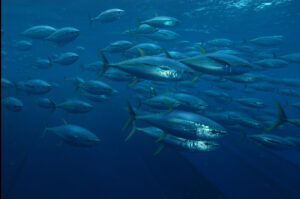
Study provides evidence for the sustainable development of bigeye tuna fisheries and a better understanding of the impacts of climate change.
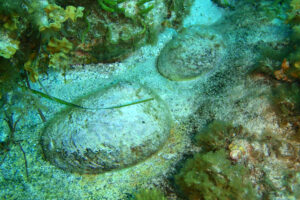
Abalone are vulnerable to climate stressors and require restoration aquaculture, reductions in fishing pressure, MPAs and other measures.