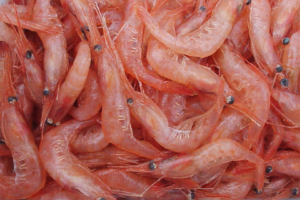

Crustacean ‘hotel rooms’ seen as food waste and quality solutions for Norway’s small fishing boats
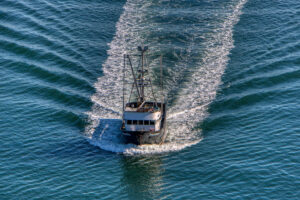
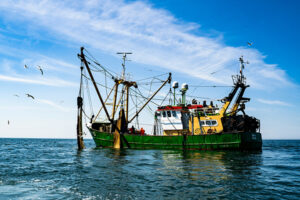
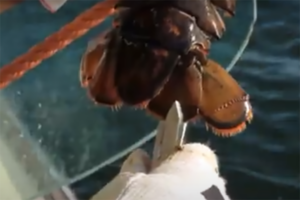
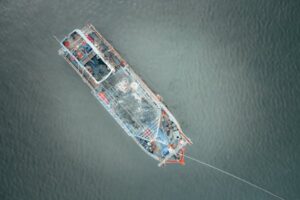
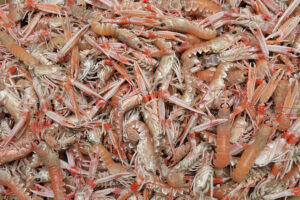
An onboard cooling system for small fishing boats reduces food waste and fuel use, with one design storing langoustines in "hotel rooms."
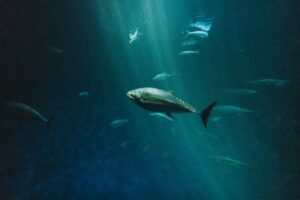
New onboard tech helps tuna fisheries release bycatch with minimal handling, improving crew safety and advancing sustainability goals.
An onboard cooling system for small fishing boats reduces food waste and fuel use, with one design storing langoustines in "hotel rooms."
Study assembled resources from publicly available data sources, focusing on aquatic species, water areas and fishing gear accessible online.
Study suggests a threshold level of seafloor plastic litter density to ensure the sustainability and profitability of commercial fishing.
Regulation outside of gear specifications is needed for this common sole fishery with no additional selective device that will increase retention.
A new study finds aquaculture is driving growth in Malaysia’s aquatic food sector but that reforms are needed to ensure sustainability.
GSSI-certified fisheries now meet MarinTrust’s key pre-check, reducing duplication and streamlining certification for marine ingredients.
Study concludes that average total latent productivity (TLP) is the correct sustainable harvest rate for fluctuating stocks like octopus.
Study provides a framework to evaluate practical sampling designs to estimate the abundance indices of target ichthyoplankton species in surveys.
Smolt wheels are helping scientists in Canada track salmon migration, assess river health and guide long-term conservation strategies.
A comprehensive review of the application of multi-species models in fisheries research, highlighting geographic and species-specific uses.
Spanish marine tech firms launch an industrial-scale biodegradable fish aggregating device to cut ocean plastic pollution in tuna fisheries.
Study results can help estimate and predict chub mackerel distributions during early life stages, subsequent exploitable abundance and fishery production.
The Aquatic Life Institute highlights animal welfare innovations for fisheries, linking humane practices to sustainability and product quality.
Catch limits, quotas and aquaculture have helped rebuild Pacific bluefin tuna fisheries after the spawning stock biomass plummeted to a historic low.
An understanding of the impacts of climate change and economic expansion on small pelagic fisheries offers insights for scientific fishing strategies.