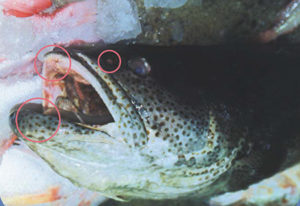
Chemoreception in the aquatic environment: A primer
As marine-ingredient replacement with plant proteins continues, it's important to supplement diets with attractants to stimulate feeding behavior.



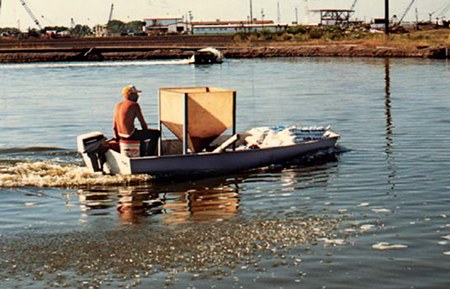
To control costs with feed efficiency, it is desirable to minimize the protein percentage, but reductions should not compromise shrimp performance.
As marine-ingredient replacement with plant proteins continues, it's important to supplement diets with attractants to stimulate feeding behavior.
An alternative waste treatment is intense microbial processing of wastes to facilitate high yields with little or no water exchange.

A feeding trial evaluated five dietary protein sources on growth performance and phosphorus-retention efficiency in olive flounders.

Maintaining the stability of shrimp feeds until consumption is a challenge as pellets lose dry matter due to leaching of soluble compounds.
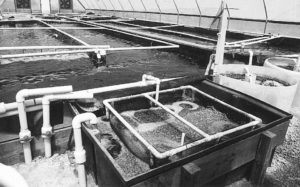
RAS inputs and outputs are easily quantified, but even an efficient system will appear to have higher operating costs than a traditional pond.
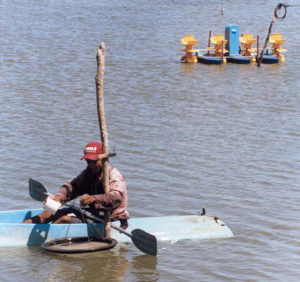
It is common practice to broadcast feed throughout a shrimp pond with a few feeding trays to help monitor consumption and adjust ration size.
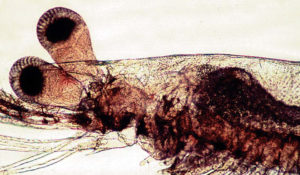
A report on the results of a study to determine the optimal dietary protein level for postlarvae Pacific white shrimp in a recirculating culture system.
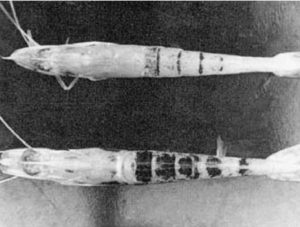
Dietary nutritional disorders in farmed aquatic animals can be broadly defined as diet-related imbalances due to “under-” or “over-” nutrition.
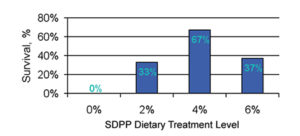
Spray-dried plasma protein is a high-protein feed ingredient that can lower occurrence of enteric disease when used in feed or water.
A variety of factors – postlarval nutrition, disease treatment and control of microflora – contribute to optimal hatchery operations.

There is limited information available concerning the optimal requirements for broodstock nutrition for most of global aquaculture production.
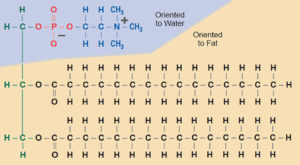
Phospholipids are compounds that combine a water-soluble phosphate group at one end with fat soluble fatty acids at the other.

A shrimp feed management survey indicated that Australian farmers placed a high importance on better estimations of feed demand in improving FCR.
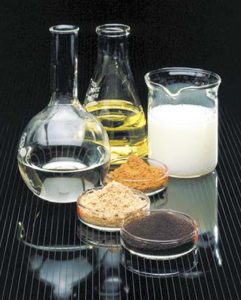
Of all the sources of animal protein and energy available for aquafeeds, the largest is rendered animal byproducts.

The use of worms – insect larvae, terrestrial earthworms and aquatic oligochaetes – in fish and shrimp culture is generating interest.