


Catch & Culture Review: Evaluating various soybean meal types and animal protein in diets for Pacific white shrimp

Pacific white shrimp respond variably to different soy processing techniques, with low-oligosaccharide soybean meal standing out
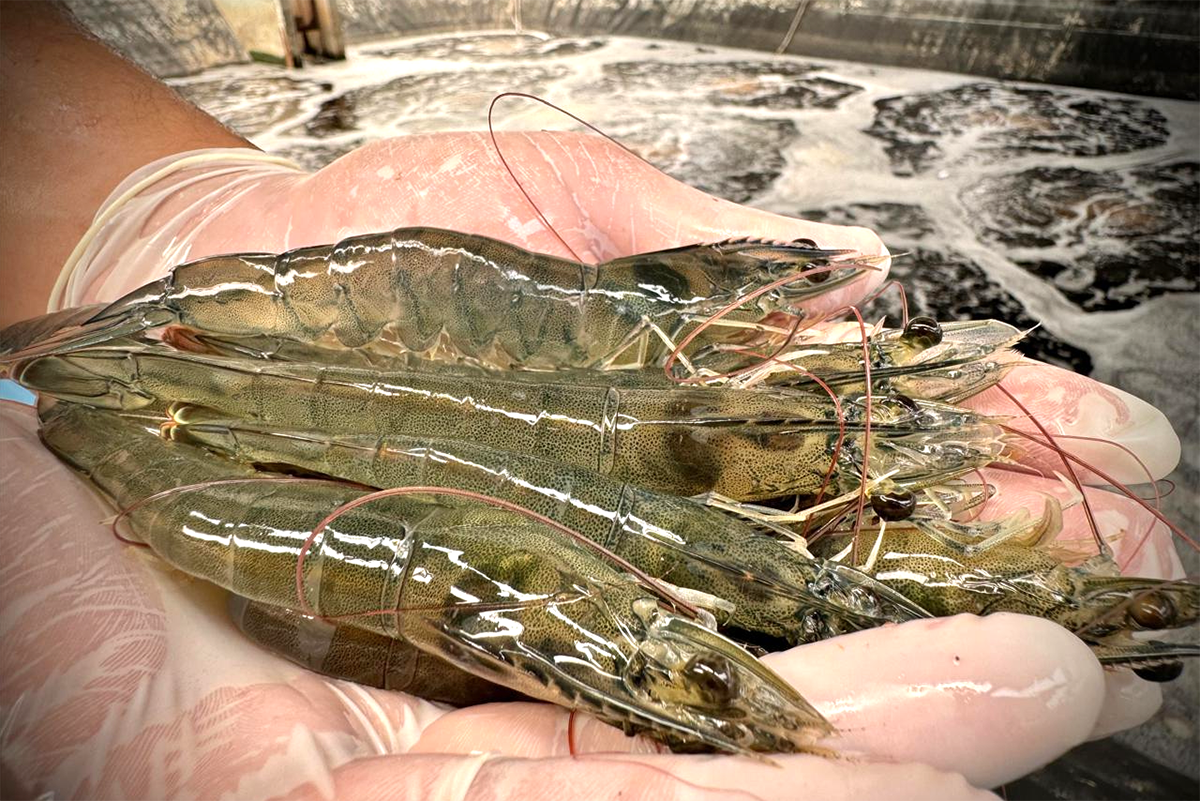
Study results clearly demonstrate that L. vannamei reacts differently to various soy processing techniques, with certain variants offering distinct performance advantages.
The replacement of fishmeal with alternative protein sources has attracted growing interest in recent years, driven primarily by escalating prices, dwindling global supplies, and mounting environmental concerns associated with heavy reliance on fishmeal in aquafeeds. These pressures have accelerated efforts to transition toward more sustainable and readily available terrestrial protein options, both animal- and plant-derived.
Among the most promising substitutes are poultry byproduct meals and solvent-extracted soybean meal (SE-SBM), which offer cost-effective, abundant and nutritionally viable alternatives. This dietary shift is particularly relevant for high-value farmed species such as Pacific white shrimp (Litopenaeus vannamei), although it also holds significance for other commercially important crustaceans and finfish. By reducing dependence on marine-derived ingredients, the industry aims to improve economic viability, enhance supply-chain resilience and align production practices with broader sustainability goals.
A study by Khanh Q. Nguyen and colleagues in the United States and Ecuador assessed how different forms of soybean meal (SBM) and an animal protein reference diet influence growth performance, feed utilization, intestinal histology and key physiological gene expression in L. vannamei.
![Ad for [BSP]](https://www.globalseafood.org/wp-content/uploads/2025/07/BSP_B2B_2025_1050x125.jpg)
Two separate eight-week feeding trials were carried out, one in a green-water system and the other in a biofloc-based recirculating aquaculture system. Nine isonitrogenous and isolipidic experimental diets were tested. The baseline diet relied heavily on solvent-extracted soybean meal (SE-SBM) as the main protein component. SE-SBM was then fully replaced (on an isonitrogenous basis) with alternative soy products: low oligosaccharide soybean meal (LO-SBM), soy protein concentrate (SPC), enzyme-treated soybean meal (ET-SBM) and expeller-pressed soybean meal (EP-SBM). A diet based primarily on animal protein served as the performance reference.
Across both trials, survival rates remained unaffected; however, most growth parameters differed significantly among treatments. Diets with complete replacement using SPC consistently underperformed in terms of growth and feed efficiency. In contrast, LO-SBM diets supported superior shrimp performance overall.
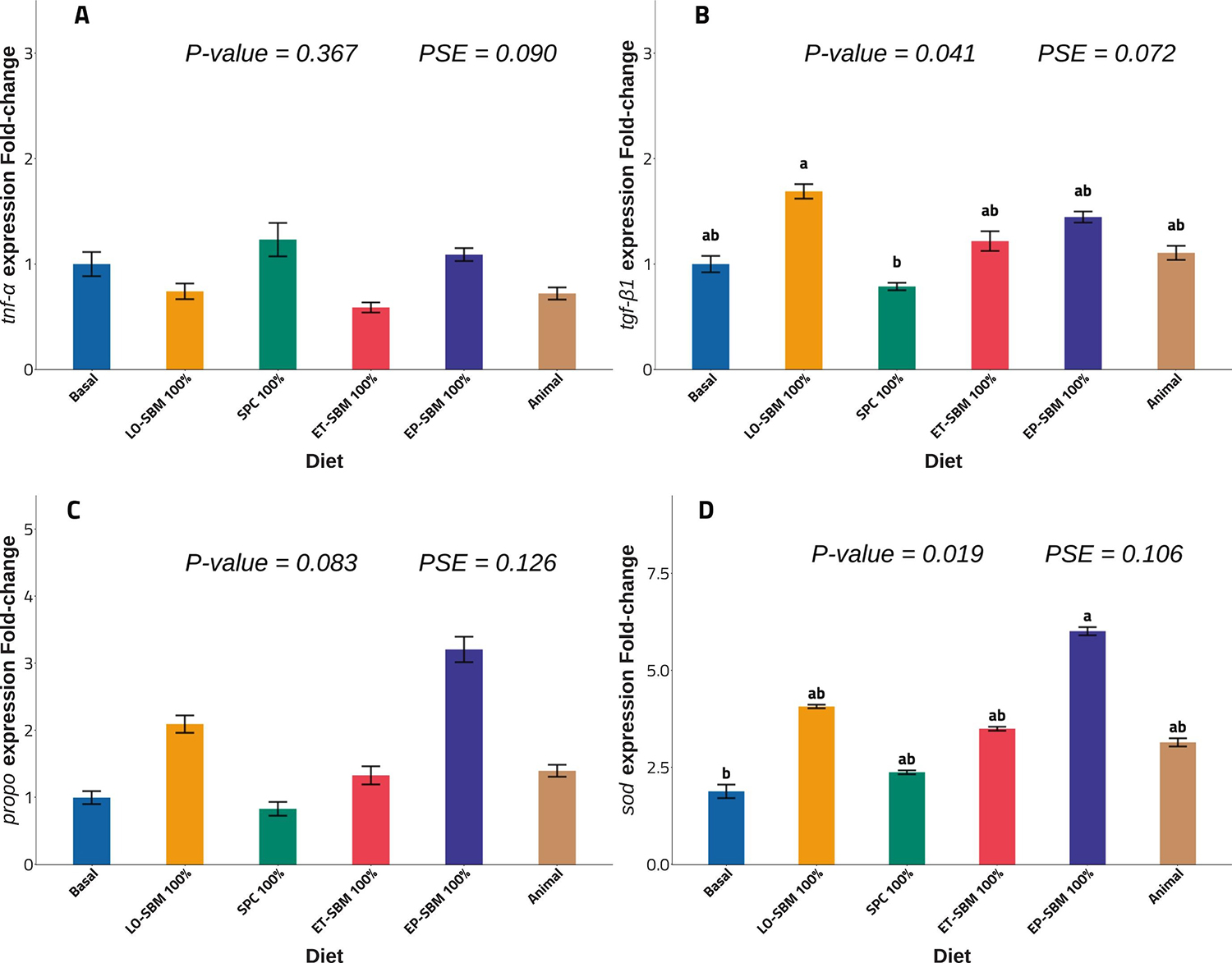
Histological examination of the intestine revealed no enteritis-like morphological alterations in any group. In the green-water trial, no notable changes in health-related gene expression occurred in the gut. In the biofloc system trial, however, shrimp receiving SPC or SE-SBM diets exhibited general downregulation of the monitored target genes relative to those fed LO-SBM or EP-SBM.
Overall, the findings indicate that properly processed soy-based ingredients produce no evident signs of enteritis and can sustain shrimp growth comparable to – or even exceeding – that achieved with animal protein feeds. These results underscore the potential of optimized plant-derived proteins in shrimp nutrition. Further studies are recommended to refine dietary formulations, better balance nutrient profiles, and broaden the range of protein sources to maximize growth outcomes in L. vannamei.
Relevance of research findings to the industry
Shrimp aquaculture, especially for L. vannamei, faces mounting pressure to minimize reliance on fishmeal and other marine ingredients due to cost volatility, sustainability concerns and certification demands. Soybean meal remains the go-to plant protein, but anti-nutritional factors like oligosaccharides, trypsin inhibitors, and potential allergens have limited its inclusion levels and prompted interest in processed alternatives.
This study showed that LO-SBM supports superior performance, comparable to animal proteins, while avoiding enteritis. Feed mills can confidently increase soy inclusion using these variants, potentially lowering formulation costs by 10–20 percent in low-fishmeal diets. The lack of gut damage even at high replacement levels addresses a long-standing barrier to soy dominance in shrimp feeds.
The system-specific gene expression insights are also valuable: Biofloc systems (popular for biosecurity and water efficiency) appear more sensitive to protein source quality, highlighting the need for tailored formulations. Overall, these findings bolster the shift toward plant-heavy feeds, aiding compliance with certification standards, reducing dependency on finite marine resources and improving economic margins for farmers in regions like Southeast Asia, Latin America, and the southern United States.
Perspectives
Substituting animal proteins with soybean meal in aquaculture feeds is a multifaceted challenge that demands careful selection of the soybean type and close attention to its species-specific impacts. The results here demonstrate that Pacific white shrimp respond variably to different soy processing techniques, with low-oligosaccharide soybean meal (LO-SBM) standing out for its clear advantages.
The strongest overall performance was seen in shrimp fed the basal diet, 50 percent soy protein concentrate (SPC), 50 percent LO-SBM and particularly 100 percent LO-SBM. Enzyme-treated soybean meal (ET-SBM) at 50 and 100 percent ranked a solid second numerically, positioning it as a promising alternative thanks to its superior nutrient profile and functional benefits.
Conversely, full replacement with expeller-pressed soybean meal (EP-SBM 100 percent) or soy protein concentrate (SPC 100 percent) produced the weakest results, suggesting these forms perform comparably to – or sometimes below – animal protein-based feeds when used at high inclusion levels. EP-SBM’s elevated fat content and possible palatability limitations may restrict its suitability for shrimp, though it could still be valuable for other aquatic species.
Although the study did not aim to directly compare green-water and indoor biofloc systems, the observed differences in growth performance and gene expression between the two environments highlight how rearing conditions can interact with and modulate dietary effects. Reassuringly, across all treatments, changes in body composition, inflammatory gene expression and intestinal histology remained minimal and showed no signs of concern such as enteritis or tissue damage.
These outcomes emphasize the critical role of optimized soy processing in enabling high-performing, plant-based feeds and reinforce the need for continued research and innovation in alternative protein sources to further advance sustainable shrimp aquaculture.
Probiotics, prebiotics and phytobiotics: Promising alternatives to antibiotics for healthier, more sustainable aquaculture
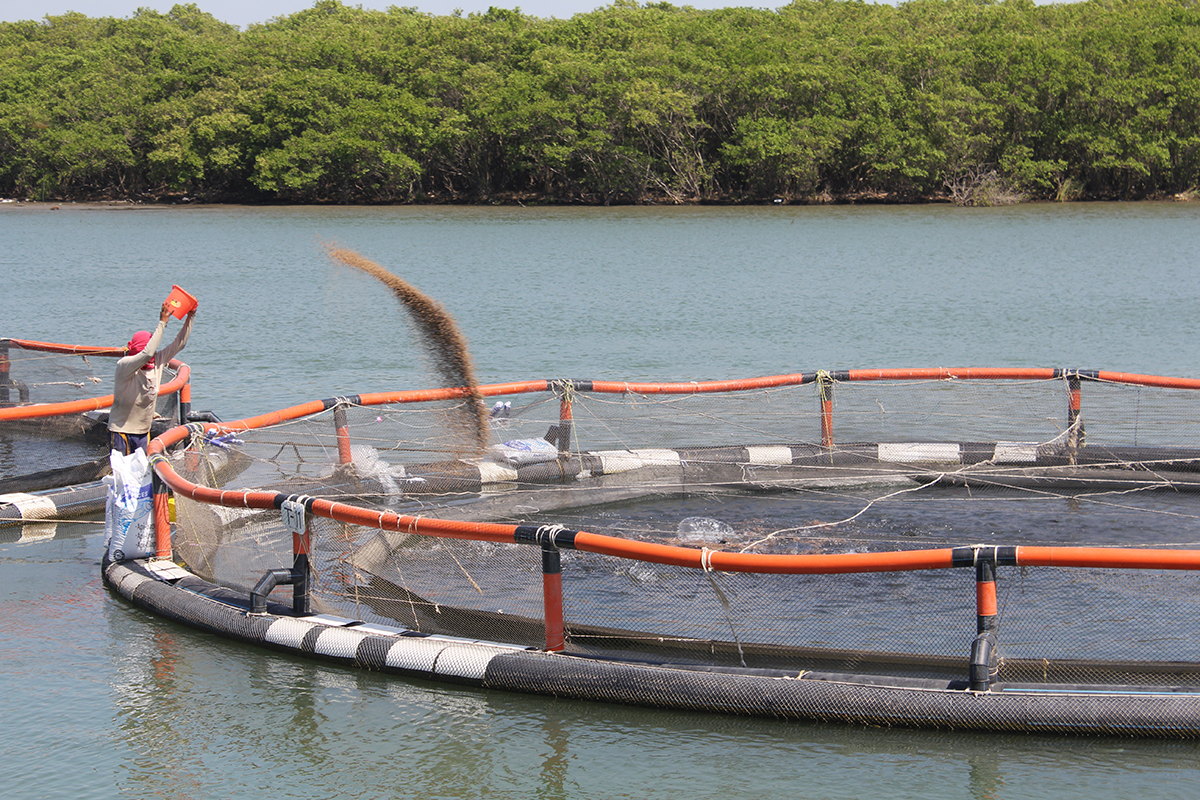
Aquaculture stands out as one of the most rapidly expanding sectors in global food production, outpacing other agricultural activities in its ability to help meet rising worldwide demand for protein. Yet this swift growth brings serious challenges, notably water quality degradation and the increased incidence of pathogenic infections that cause stress, disease outbreaks and substantial mortality in farmed aquatic species.
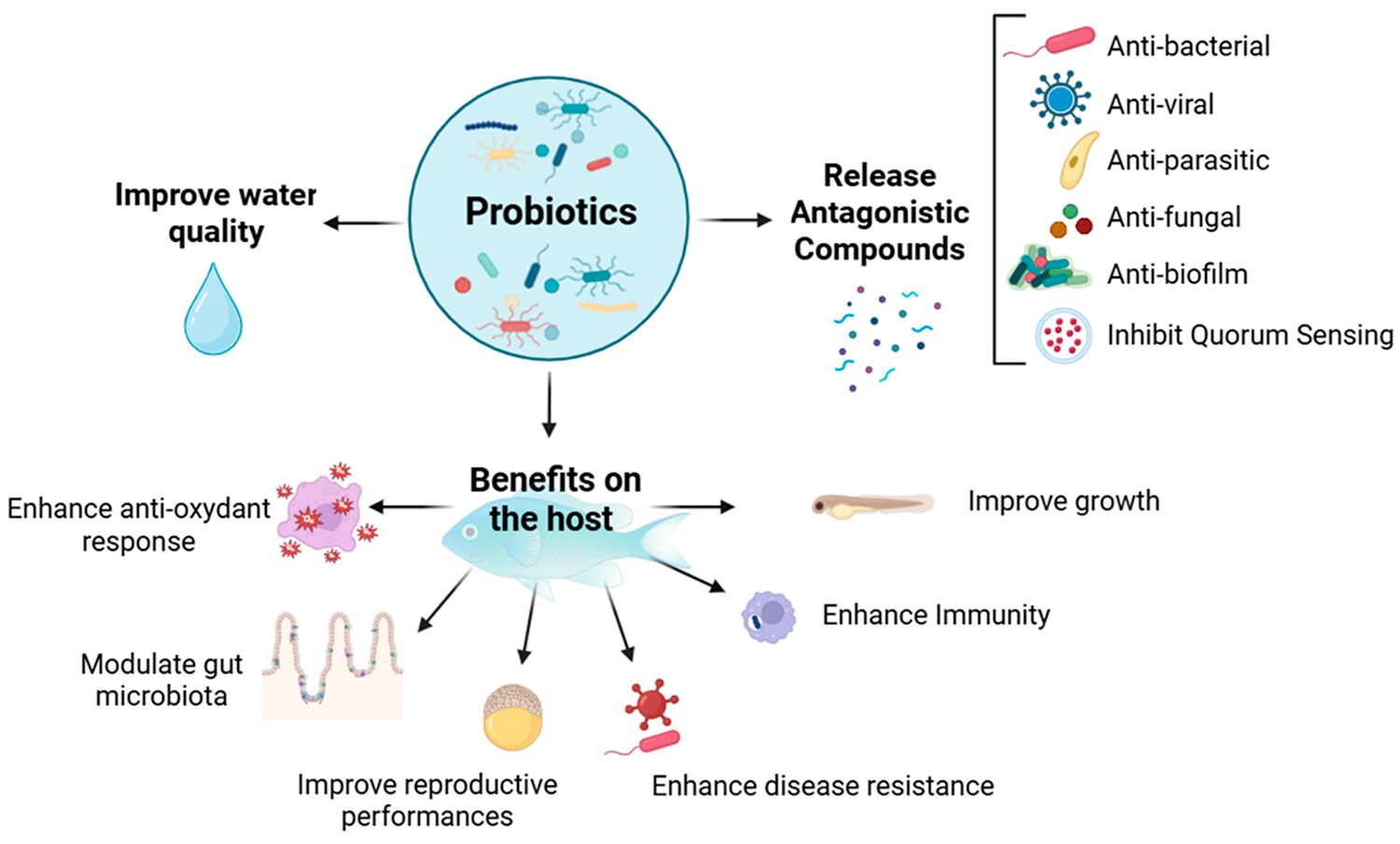
This comprehensive review by Fatimazahra Jouga and colleagues in Morocco and Spain examines how “natural biotics” can serve as biocontrol agents to replace antibiotics and chemicals in aquaculture. Functional feed additives such as probiotics, prebiotics and phytobiotics (plant-derived bioactive compounds) have gained considerable attention as eco-friendly, sustainable replacements for conventional chemotherapeutics in aquaculture. These natural alternatives deliver multiple benefits: They bolster disease resistance through direct antimicrobial (antibacterial, antiviral, antifungal and antiparasitic) activities, enhance overall growth performance, strengthen innate and adaptive immune functions in cultured species, and often contribute to improved water quality by modulating microbial communities in rearing systems.
Authors consolidated the latest scientific evidence on the application and efficacy of probiotics, prebiotics and phytobiotics across diverse aquaculture systems worldwide, highlighting their contributions to more responsible and resilient production practices while critically evaluating key limitations and challenges. These include species-specific responses, variability in optimal dosing regimens and application durations, inconsistent field performance compared to controlled trials, and potential long-term ecological or health risks that remain understudied.
By synthesizing current knowledge and identifying gaps, the review offers practical guidance for researchers, feed manufacturers and producers aiming to integrate these functional additives more effectively. Ultimately, it advocates for continued innovation and rigorous investigation to refine their use, ensuring that probiotics, prebiotics and phytobiotics can play a central role in advancing environmentally sound, health-focused and economically viable aquaculture for the future.
Relevance of research findings to the industry
Natural biotics offer a practical, scalable solution to antibiotic abuse and resistant pathogens that simultaneously cuts disease losses, improves feed efficiency (often raising weight gain and lowering FCR), strengthens immunity and enhances water quality – directly lowering operational costs and effluent issues. Feed manufacturers can incorporate these additives into commercial pellets or biofloc systems with relatively low investment, while farmers gain tools that support various certifications. The documented successes in major species like L. vannamei and Nile tilapia (Oreochromis niloticus) – two of the most dominant species in global aquaculture production – make the findings immediately actionable for Southeast Asia, Latin America and the Middle East, where disease pressure is highest.
Perspectives
Probiotics, prebiotics and phytobiotics offer strong potential to boost growth, strengthen immunity and enhance disease resistance in farmed aquatic species. As eco-friendly alternatives to antibiotics and chemicals, they improve animal health and welfare while advancing sustainable aquaculture practices.
To fully harness these benefits, future research should:
- Clarify the precise mechanisms of action
- Optimize species- and stage-specific dosages, formulations, durations and delivery methods
- Investigate synergistic or antagonistic interactions in combinations
- Conduct long-term studies to evaluate safety, horizontal gene transfer risks and ecological impacts (especially in intensive systems)
- Examine strain-specific effects, host-microbiome dynamics and environmental influences (e.g., water quality, temperature)
Addressing these priorities will support their effective integration into comprehensive health management strategies, significantly reduce antibiotic and chemical use and build more resilient, sustainable aquaculture systems.
Advancing silver pomfret aquaculture: Key progress, major constraints and strategic directions for future development
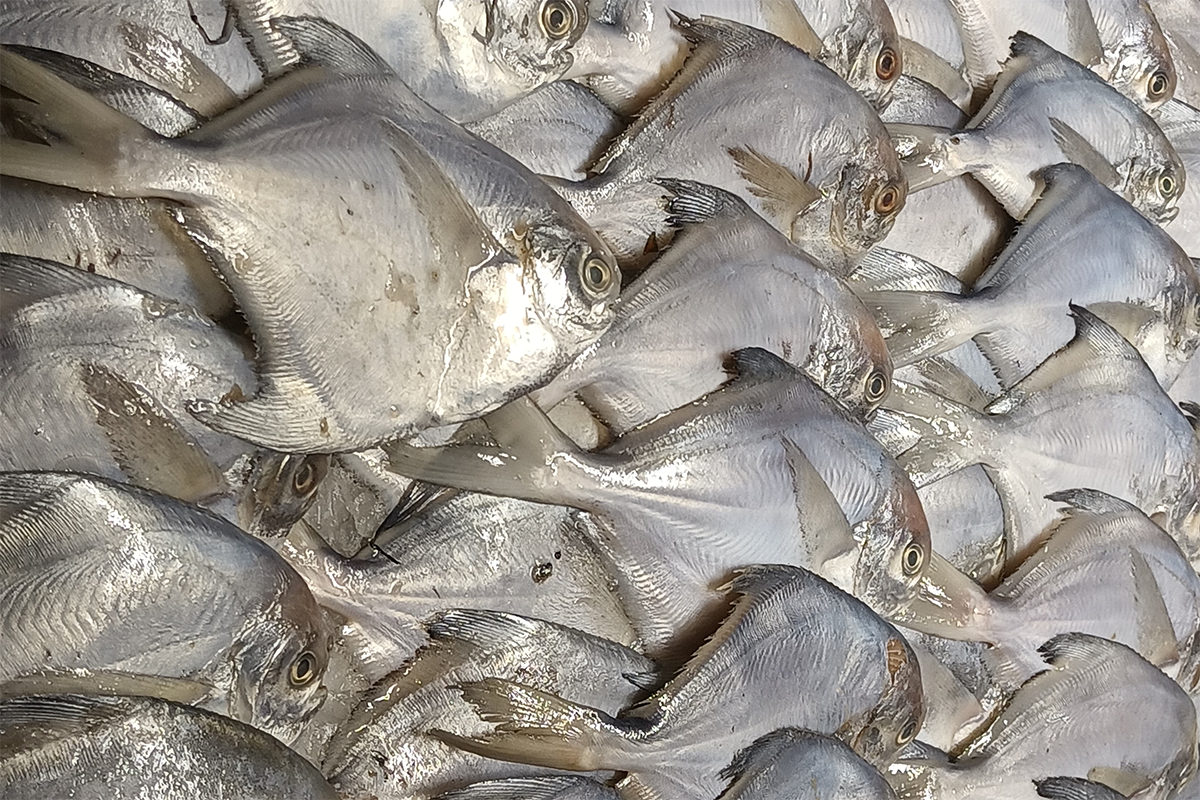
The silver pomfret (Pampus argenteus) is a high-value marine fish with considerable promise for large-scale commercial farming in China and other areas. Recent years have seen substantial advances in artificial propagation, nutritional science and disease control; nevertheless, the sector continues to face significant technical and practical bottlenecks that limit its expansion.
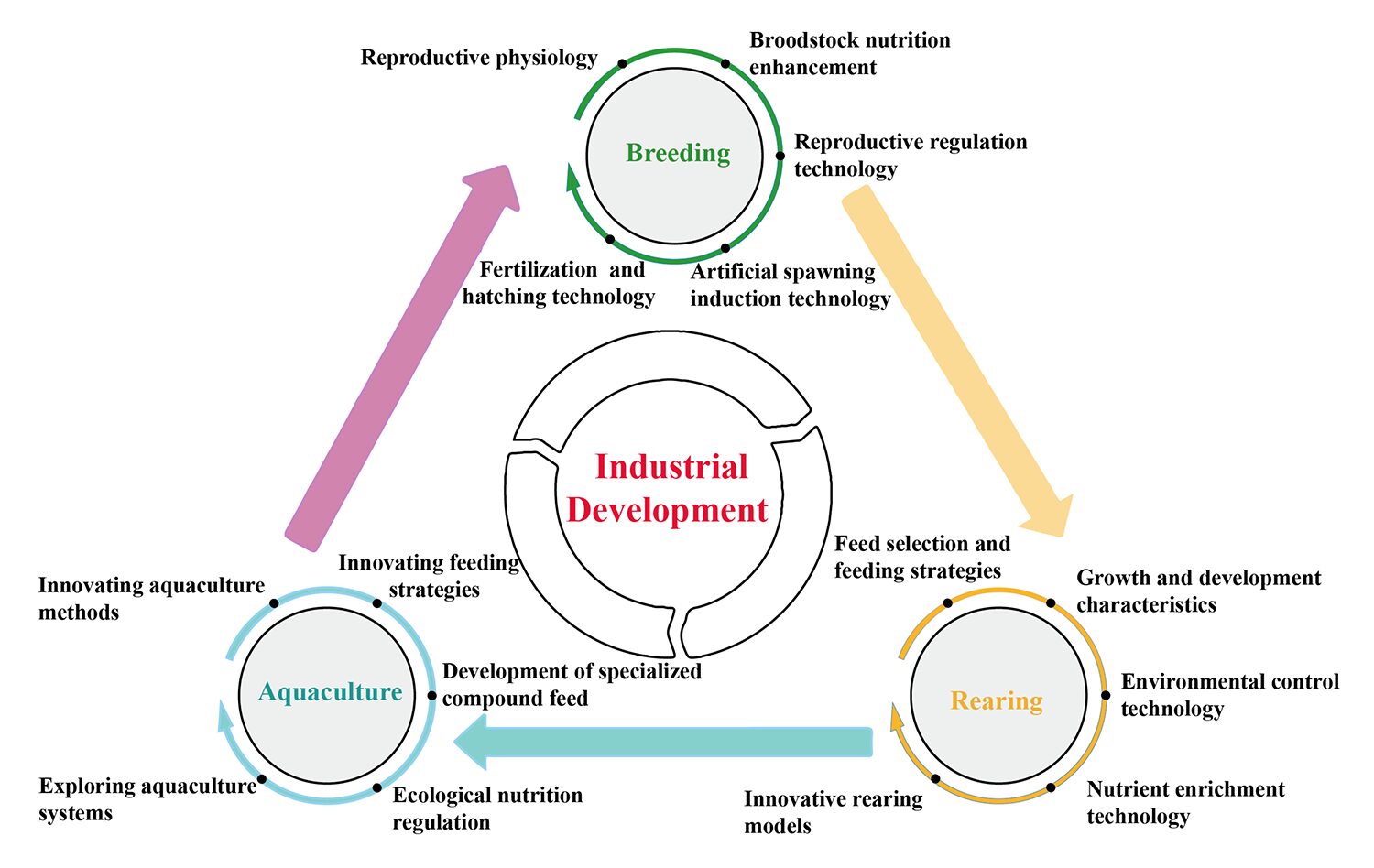
A study by Shiming Peng and colleagues in China outlines the key biological traits of P. argenteus and provides a systematic synthesis of research achievements and practical applications in artificial breeding techniques, nutritional physiology and feed development, disease prevention and management and various aquaculture production systems. It also identifies the major technical, biological and operational constraints currently impeding industry growth.
Drawing on the latest scientific findings and real-world industry requirements, the authors propose five targeted strategic priorities to accelerate sustainable and high-quality development of silver pomfret aquaculture in China:
- Creation of a comprehensive germplasm resource bank to preserve and utilize genetic diversity
- Development and selective breeding of superior, high-performance strains
- Formulation of tailored, nutritionally optimized compound feeds specific to the species’ requirements
- Strengthening of disease prevention strategies and biosecurity protocols
- Establishment of standardized operating procedures across different culture systems (e.g., pond, cage, recirculating).
Adoption of these measures is expected to deliver essential scientific guidance and practical tools, paving the way for more efficient, resilient and economically viable large-scale production of silver pomfret in China.
Relevance of research findings to the industry
Silver pomfret commands premium prices in China and through Asia due to its delicate texture and nutritional value, yet wild stocks are declining from overfishing and habitat loss. Aquaculture output remains small compared to species like large yellow croaker or golden pomfret, but the promising results reported for breeding successes and nutritional optimizations offers immediate tools for scaling.
Addressing bottlenecks like inconsistent survival and disease could boost commercial viability, reduce reliance on wild capture and support coastal economies in Chinese provinces like Zhejiang and Fujian. The proposed strategies align with national priorities for marine ranching, genetic improvement and sustainable feeds, potentially attracting investment in RAS and offshore systems while meeting food security and export demands.
Perspectives
The advancement of the silver pomfret aquaculture industry should follow a clear guiding principle: “breeding-led, technology-driven, model innovation and industry-chain integration.” This approach will drive comprehensive, systematic upgrades across every link of the production chain. Key recommendations emerging from this review can be distilled into four core pillars:
- Germplasm as the cornerstone: Leveraging the natural advantages of coastal provinces such as Jiangsu, Zhejiang and Fujian, priority should be given to systematically collecting, evaluating and conserving high-quality wild germplasm from critical habitats in the Yellow Sea and East China Sea. These genetic resources will form the foundation for conserving biodiversity and selectively breeding new, high-yielding, fast-growing and resilient varieties.
- Technology as the engine: Sustained and increased investment in research is vital to break through persistent bottlenecks in large-scale seedling production, nutritionally optimized feeds, and effective disease prevention and control. Concurrently, accelerating the translation of proven research into practical, farm-ready technologies will bridge the gap between science and commercial application.
- Model innovation tailored to local conditions: Different aquaculture systems – recirculating aquaculture systems (RAS), facility-enhanced pond culture, offshore cages and hybrid models – should be developed, refined and scaled according to regional environmental, economic and resource characteristics. This will encourage the emergence of specialized, high-efficiency industry clusters that reflect local strengths.
- Full industry-chain integration: Building a well-coordinated modern ecosystem that links seed production, grow-out farming, specialized feed manufacturing, primary and value-added processing, cold-chain logistics and domestic/export marketing is essential. This requires supportive policy frameworks, public–private partnerships, multi-stakeholder collaboration and alignment along the entire value chain to ensure efficiency, traceability and sustainability.
The long-term and effective development of silver pomfret aquaculture hinges on continued scientific and technological progress. Deep integration of multi-omics tools (genomics, transcriptomics, proteomics, metabolomics) with precision breeding techniques will provide deeper insights into growth regulation, immune function and environmental adaptation, ultimately improving production performance and system resilience.
Looking forward, several cutting-edge technologies hold transformative potential:
- Artificial intelligence and machine learning for real-time monitoring of water quality, fish behavior, health status and early disease detection
- Next-generation vaccine platforms, including recombinant subunit, DNA and mRNA-based vaccines for more precise and effective disease prevention
- Gene-editing tools such as CRISPR/Cas to enhance stress tolerance, disease resistance, feed conversion efficiency and other economically important traits.
By strategically combining these frontier innovations with ecological best practices and robust industry-chain coordination, China and other Asian countries can build a modern, intelligent and sustainable silver pomfret aquaculture sector to contribute to the broader transformation and high-quality growth of the marine aquaculture industry.
Now that you've reached the end of the article ...
… please consider supporting GSA’s mission to advance responsible seafood practices through education, advocacy and third-party assurances. The Advocate aims to document the evolution of responsible seafood practices and share the expansive knowledge of our vast network of contributors.
By becoming a Global Seafood Alliance member, you’re ensuring that all of the pre-competitive work we do through member benefits, resources and events can continue. Individual membership costs just $50 a year.
Not a GSA member? Join us.
Author
-

Editor Emeritus
Related Posts
Intelligence
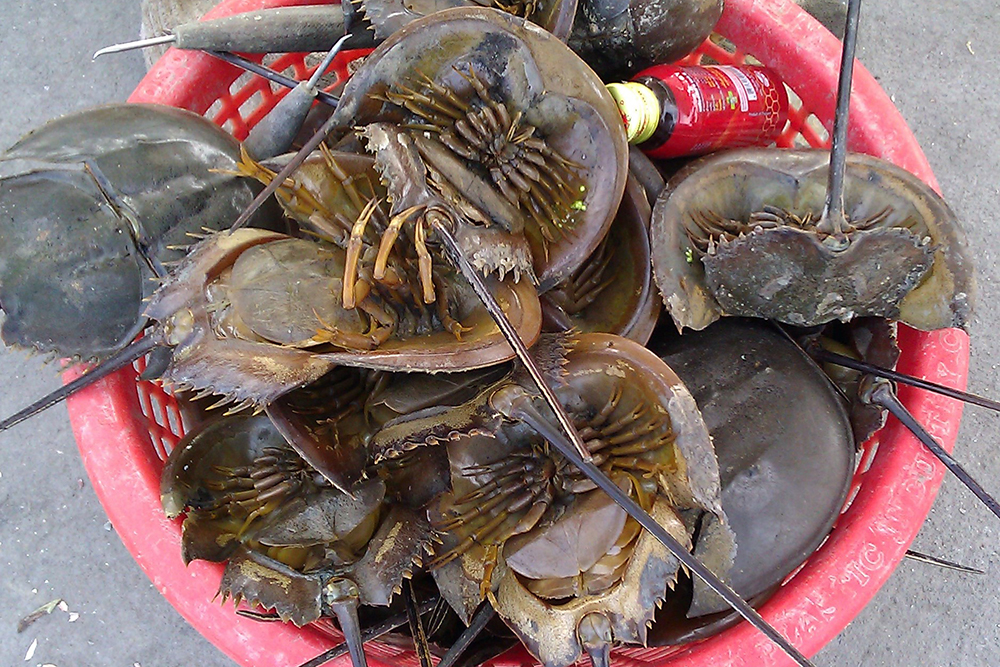
Assessing the use of gamma-irradiated chitosan from mangrove horseshoe crabs on refrigerated seafood products
An effective chitosan polymer, developed through gamma-irradiation, could preserve seafood and extend shelf-life beyond capabilities of refrigeration.
Aquafeeds
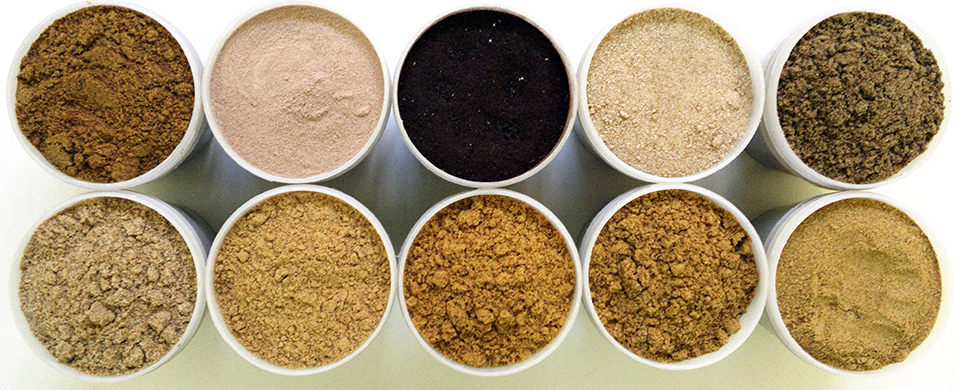
Animal protein meals reduce feed costs but don’t improve shrimp performance
The authors conducted a study to determine how replacement of salmon meal with various animal protein meals in feed affected the growth performance of white shrimp.
Innovation & Investment
‘Not convinced it can’t be done’: A look inside California’s new bluefin tuna hatchery
San Diego-based bluefin tuna hatchery and feed company Ichthus Unlimited aims to make tuna ranching a more sustainable and reliable option.
Aquafeeds
Catch & Culture Review: Adapting gut microbiota for microbial resilience in hypersaline shrimp farming
This review of recent aquaculture literature examines the importance of a shrimp’s gut microbiota, fermentation technology in aquafeeds and more.