


Catch & Culture Review: Are genetic correlations to spawning traits of Pacific white shrimp actionable?

Chinese researchers examine the heritability of female spawning traits across two generations of shrimp
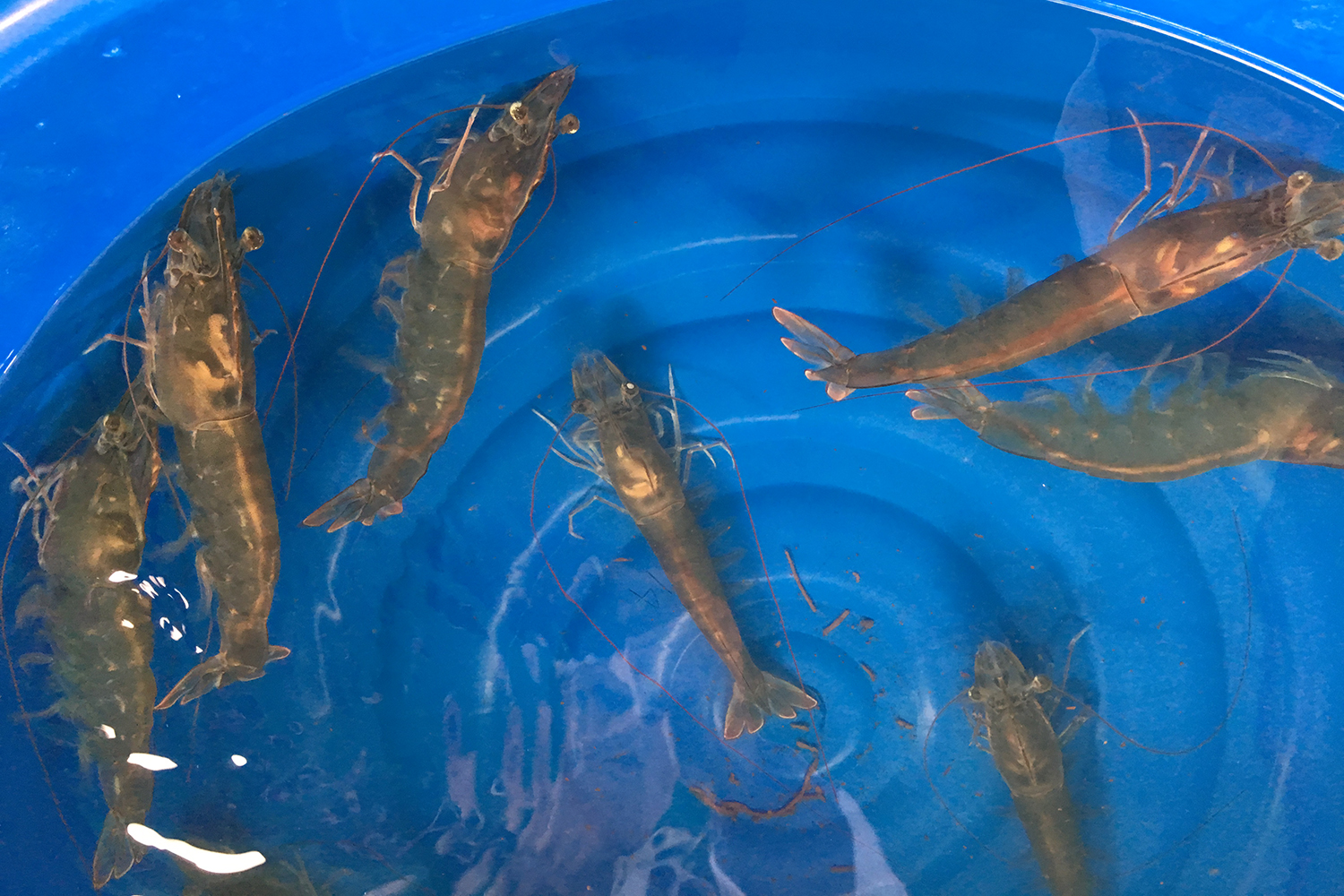
Is China’s shrimp-farming sector limited by non-spawning females? A study by Xianhong Meng and associates in China tackled reproductive bottlenecks in Pacific white shrimp (Penaeus vannamei) – the top farmed shrimp species globally – and reported that high rates of non-spawning females continue to limit efficiency in P. vannamei hatcheries.
Their research provides the first multi-generational quantitative genetic evaluation of female reproductive traits in Pacific white shrimp maintained under uniform Specific Pathogen-Free (SPF) conditions. They examined 986 females from two successive generations (2021–2022), representing 198 full-sib and 68 half-sib families.
The measured traits were spawning frequency (SF), mean spawning interval (MSI), number of eggs in the first spawn (NE1), average number of eggs per spawn (AS), total eggs spawned (TS), and spawning success (SS, recorded as a binary trait). Heritability was moderate for SF (0.30 ± 0.06), TS (0.28 ± 0.07) and SS (0.23 ± 0.06), but low for MSI, NE1 and AS (ranging from 0.10 to 0.16). When estimated separately for each generation, heritability values dropped markedly for most traits in the second generation.
Genetic correlations among SF, MSI, NE1, AS and TS were strongly positive, with pairwise values between 0.82 and 0.99, suggesting a large degree of common genetic influence on these traits. Although reproductive performance was not a direct target of selection, all six traits showed substantial relative genetic improvement per generation (246–488 percent). This progress is largely explained by the intense selection pressure applied to the founding parental generation.
![Ad for [BSP]](https://www.globalseafood.org/wp-content/uploads/2025/07/BSP_B2B_2025_1050x125.jpg)
China’s shrimp farming industry requires over a million P. vannamei broodstock pairs annually for the production of 1.5 trillion postlarvae, with reported non-spawning rates of 14–50 percent, hindering efficiency and with reproductive traits often sidelined in breeding for growth or disease resistance. The results of the present study establish a solid genetic basis for incorporating female reproductive performance into selective breeding programs for P. vannamei, especially in biosecure, SPF environments that rely primarily on commercial formulated feeds.
Relevance of research findings to the industry
The research findings from the study on female reproductive performance in Pacific white shrimp under Specific Pathogen-Free (SPF) conditions hold substantial practical value for the global shrimp farming industry. Reproductive inefficiency, particularly high non-spawning rates (often 14–61 percent in hatcheries), remains a major limiting factor, driving up broodstock costs and curtailing nauplii production. In major producing regions like China, these issues directly impact hatchery efficiency and overall supply chain economics.
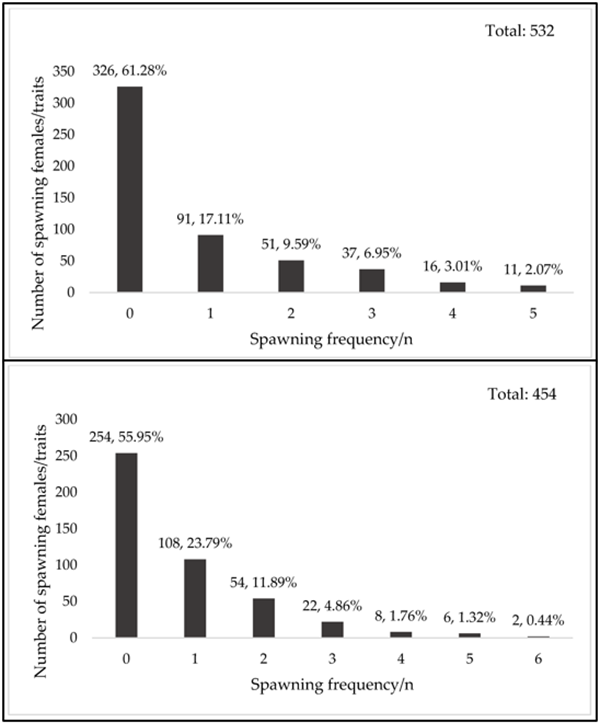
The study demonstrates moderate heritability (0.23–0.30) for key traits such as spawning frequency (SF), total eggs spawned (TS) and spawning success (SS), alongside strong positive genetic correlations (0.82–0.99) among related traits. This genetic architecture allows breeders to select for one or two easily measurable traits (e.g., SF or TS) to achieve broad improvements across reproductive performance, reducing program complexity and costs while boosting productivity with fewer females required.
Remarkably, indirect genetic gains reached 246–488 percent per generation – even without direct selection on reproduction – due to intense parental selection in the SPF breeding nucleus. Integrating these traits into multi-trait breeding programs, especially in biosecure SPF facilities reliant on commercial feeds, can enhance hatchery output, lower operational expenses (potentially by 20–30 percent through higher nauplii yields and reduced broodstock needs), improve sustainability and strengthen biosecurity against diseases like White Spot Syndrome Virus. Overall, the results provide a solid genetic foundation for more efficient, resilient and profitable commercial shrimp production worldwide.
Perspectives
In practice, a small number of rapidly developing females may mature and spawn before the formal establishment of families. Although these sporadic early events could not be accurately recorded, their impact is negligible due to the small number of individuals involved.
The high heritability estimates for reproductive traits in 2021 indicated considerable potential for genetic gain. Although overall heritability declined in 2022, the results confirm these traits remain heritable and suitable as selection criteria. Notably, despite not explicitly targeting reproductive traits in the authors’ selection protocol, measurable genetic gain was observed for each trait. The mating design inadvertently prioritized highly fertile females as broodstock.
These findings demonstrate that incorporating reproductive performance as a breeding objective could yield substantial improvements in hatchery efficiency without compromising other economic traits.
How biologists are advancing sustainable aquaculture: technologies, contributions and emerging issues
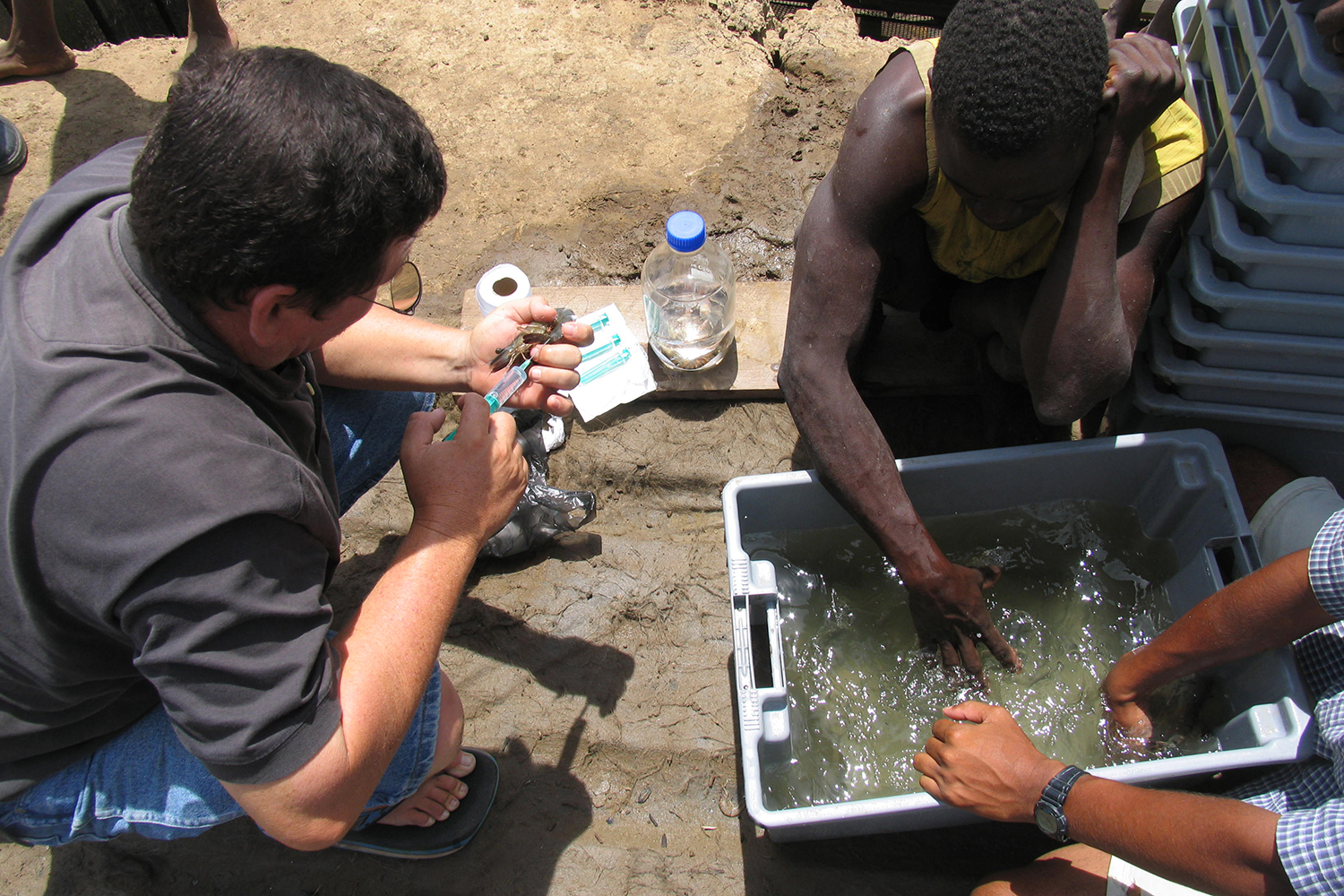
Global aquaculture has expanded rapidly in recent years, establishing the industry as a vital provider of food security and employment worldwide. Despite its growth, the industry confronts significant obstacles – including environmental impacts, disease outbreaks, reproductive inefficiencies and technological limitations – that jeopardize its long-term viability.
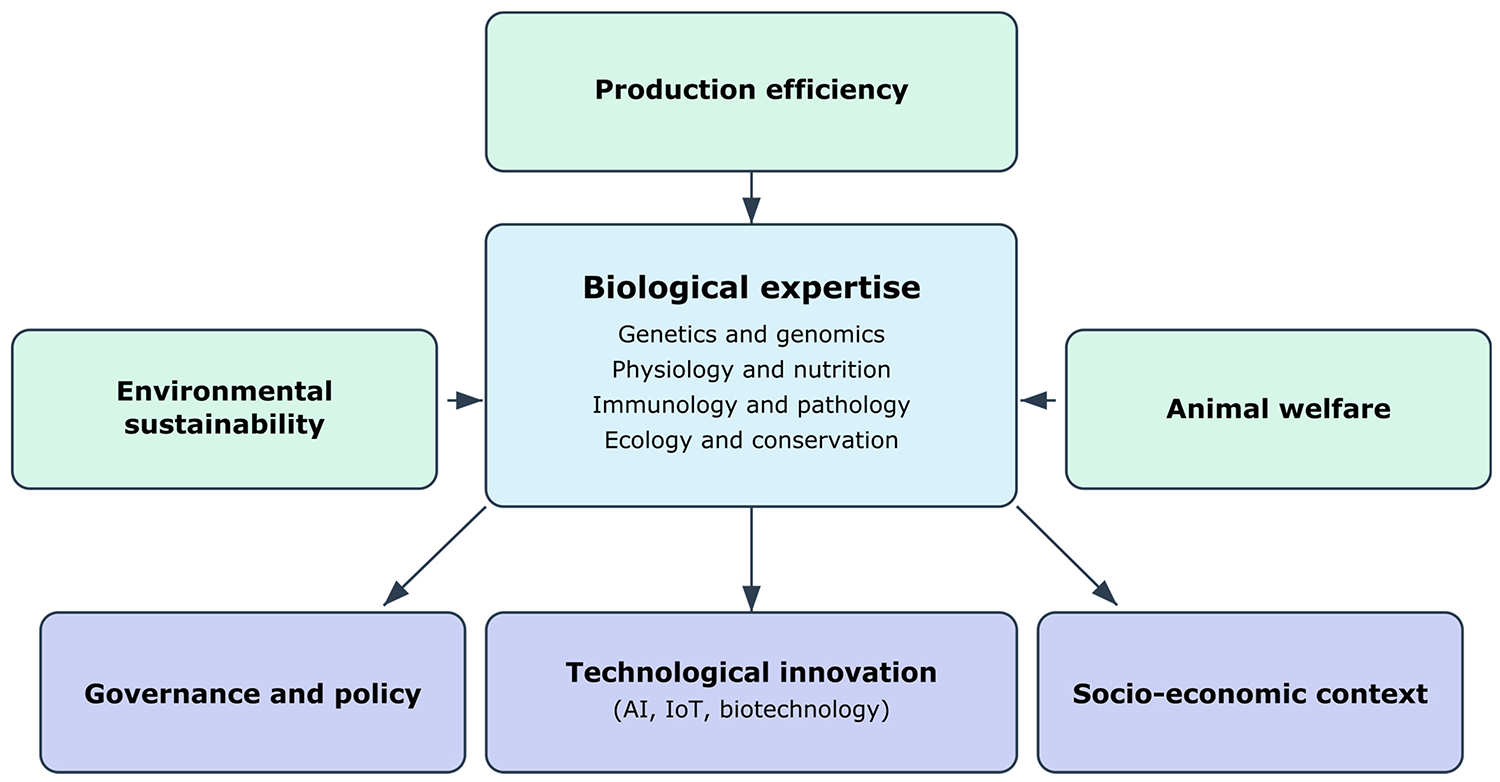
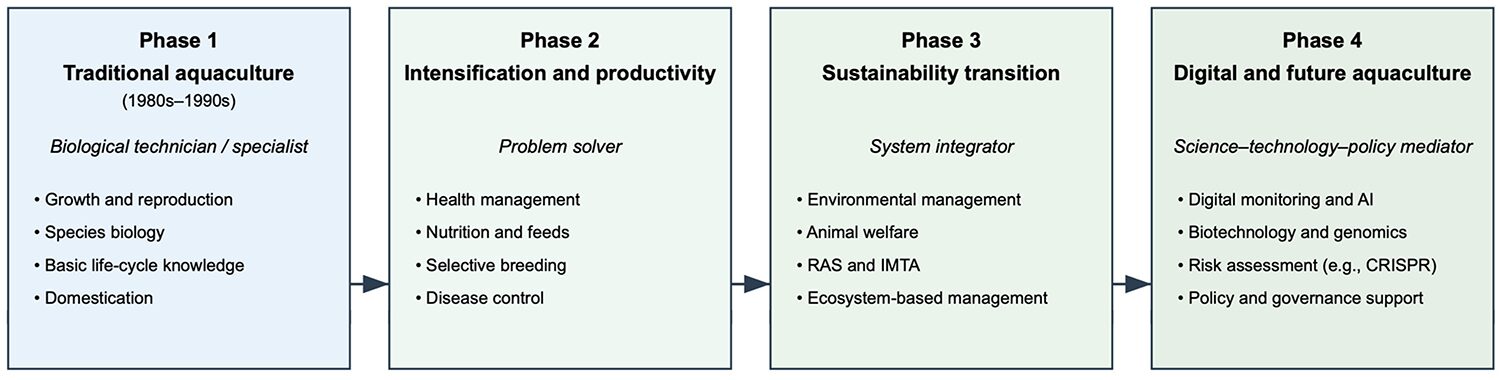
A recent review by Luis Antonio Espinoza-Ramos and colleagues from Peruvian and Chilean institutions synthesizes literature from the last 10–15 years on the important roles that biologists have filled in supporting and promoting the development of sustainable aquaculture. The review placed a heavy emphasis on the integration of biological expertise with technology and policy.
Biologists assume a pivotal role in advancing sustainable aquaculture through integrated system management and the promotion of responsible practices. The Espinoza-Ramos review synthesizes biologists’ primary contributions across key domains: animal health management, genetic enhancement, assisted reproduction techniques and the conservation of aquatic genetic resources. It also underscores biologists’ leading involvement in deploying cutting-edge technologies such as biotechnology, nanotechnology and genetic engineering tools (including genetic editing such as CRISPR-based approaches).
The authors also examine current and emerging research directions in the field and emphasize the critical need for interdisciplinary education and training to equip professionals to meet the sector’s evolving requirements. Ultimately, they highlight the necessity of closer collaboration among scientific research, technological innovation and public policy frameworks to secure the future of aquaculture.
Strengthening the contributions of biologists, the authors argue, is indispensable for effectively addressing existing challenges and for developing more efficient, ethical and environmentally sound production systems capable of satisfying rising global demand for aquatic foods.
Relevance of research findings to the industry
The research findings from this review offer highly practical value to the global aquaculture industry. With production exceeding 130 million tons annually – surpassing capture fisheries – and first-sale value reaching hundreds of billions of U.S. dollars, the sector faces pressures from environmental impacts, disease outbreaks and rising demand for sustainable, efficient production.
Biologists drive key advancements that directly enhance industry performance and viability. In genetics and reproduction, selective breeding and CRISPR-Cas9 gene editing improve growth rates (e.g., 20–30 percent gains in species like tilapia and salmon), disease resistance, feed efficiency and environmental adaptability while reducing antibiotic dependency and mortality losses. Biologist-driven tools lower operational costs and boost yields across the value chain, from broodstock to harvest.
Disease management contributions – via molecular diagnostics (like Polymerase Chain Reaction, or PCR; and Next Generation Sequencing, or NGS, also most relevant in genetic research), vaccines, probiotics and alternatives like bacteriophages – can help control outbreaks (e.g., in shrimp and salmon farming), minimize antimicrobial resistance and support biosecurity protocols essential for high-density production systems.
Environmental sustainability benefits emerge from integrated multi-trophic aquaculture (IMTA), recirculating systems (RAS), and IoT/AI monitoring, which optimize resource use, cut nutrient discharge (nitrogen/phosphorus), and lower feed conversion ratios – aligning with certifications and reducing ecological footprints.
Emerging technologies like blockchain for traceability build consumer trust and market access, while addressing challenges such as climate resilience and ethical gene editing ensures long-term viability. Overall, these biologist-led innovations promote resilient, profitable, and eco-friendly aquaculture, helping meet global food security goals amid projected continued growth through 2025–2030.
Perspectives
Biologists are key change agents in the development of sustainable, resilient and innovative aquaculture. Their training allows them to holistically address health, reproductive, environmental and technological challenges. Their role is irreplaceable, from the laboratory to the field and from basic research to public policy.
Future biologists will spearhead gene editing/nanotech/AI integrations for climate-resilient strains, emphasizing ethical oversight to mitigate off-target risks Challenges like antibiotic resistance and biodiversity loss demand advanced surveillance and circular economy approaches. Enhanced education and global networks will foster innovation, with policies promoting IMTA and various certifications.
The future of aquaculture will depend to a large extent on how biological knowledge is articulated with social, economic, and environmental needs. To achieve this, it is crucial to strengthen scientific training, promote applied research, and ensure the active participation of biologists at all levels of the aquaculture value chain.
Tilapia Lake Virus dynamics and vaccine-mediated outbreak control in RAS
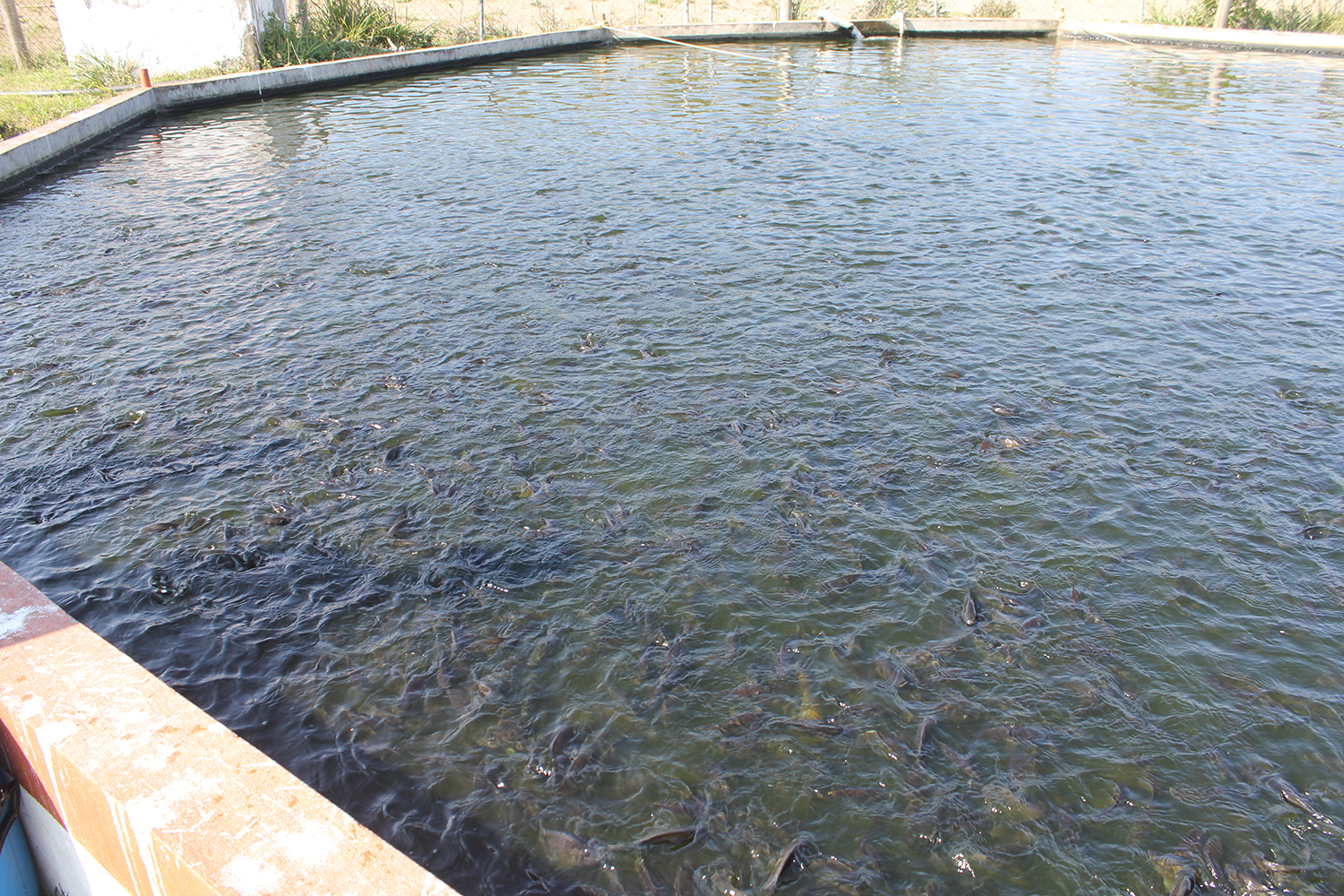
One of the most destructive freshwater finfish aquaculture diseases today is the Tilapia Lake Virus (TiLV), a highly virulent RNA virus causing 20–90 percent tilapia mortality since its 2014 emergence in over 18 countries so far.
A study by Tuchakorn Lertwanakarn and co-workers in Thailand and the UK addresses TiLV, which is responsible for major mortality events in in open-water tilapia production systems. However, the virus can also establish and persist in closed, intensive setups such as recirculating aquaculture systems (RAS), where repeated exposure and environmental buildup may amplify infections and prolong outbreaks.
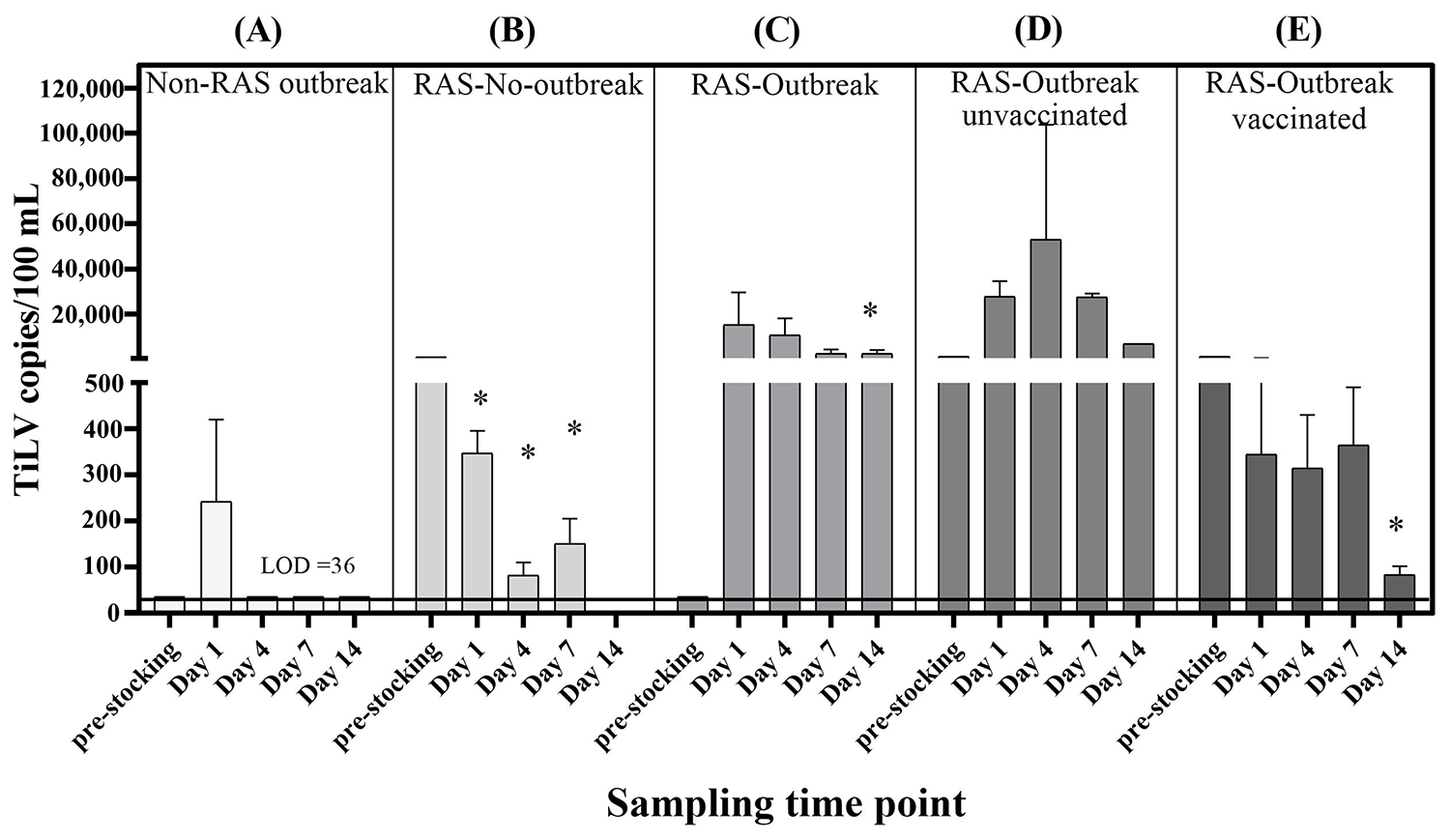
In their field-based case study, the researchers performed three experiments to investigate TiLV dynamics in Nile tilapia reared in RAS. In the first experiment, they measured TiLV concentrations in fish livers, pond water and sediment under outbreak and non-outbreak conditions. Results showed significantly higher viral loads in liver tissue and water during outbreaks, with strong positive correlations between water TiLV levels and fish mortality rates.
Their second experiment involved a controlled side-by-side trial to assess the efficacy of a TiLV vaccine and its influence on viral shedding and environmental loads. Vaccinated fish exhibited markedly reduced cumulative mortality (16.7 percent) compared with unvaccinated controls (37.7 percent), corresponding to a relative percent survival of 55.6 percent. Water TiLV concentrations were also significantly lower in the vaccinated ponds.
In the third experiment, TiLV accumulation patterns were compared between RAS and non-RAS (flow-through or partial exchange) systems. Non-RAS operations displayed limited viral buildup in the water and shorter outbreak durations.
Collectively, the study findings demonstrate a close relationship between TiLV levels in rearing water and disease severity in RAS-based tilapia hatcheries. Continuous recirculation promotes viral persistence and accumulation within the system, resulting in more extended outbreaks, whereas regular water exchange or discharge in non-RAS setups maintains lower viral loads and enables quicker recovery.
Vaccination improved fish survival and reduced viral release into the environment, thereby decreasing overall infection pressure. These results indicate that integrating vaccination with effective water management practices and molecular monitoring of water offers a practical, noninvasive strategy for early detection and control of TiLV outbreaks in intensive aquaculture systems.
Relevance of research findings to the industry
TiLV poses a major threat to tilapia producers around the world. Tilapia is a critical source of affordable protein, especially in developing regions, with significant economic and food security implications for small-scale and commercial farmers.
Regarding RAS-specific insights, these production systems are increasingly adopted globally for sustainable, intensive tilapia production (higher densities, better biosecurity, water efficiency). However, the study shows that continuous water recirculation allows TiLV to accumulate and persist in the system (e.g., in water and as environmental reservoirs), leading to prolonged outbreaks, higher viral loads in water (up to ~53,000 copies/100 mL during outbreaks vs. lower baselines), stronger correlations between water TiLV levels and fish mortality, and more severe/repeated exposure compared to non-RAS (flow-through) systems. This highlights a vulnerability in RAS that could affect expanding intensive farming operations worldwide.
As for the impact of vaccination, using a chitosan nanoparticle-based immersion vaccine (targeting TiLV segment 4), the study demonstrated practical efficacy in RAS: It reduced cumulative mortality from ~37.7 percent (unvaccinated) to ~16.7 percent (vaccinated), achieving a relative percent survival (RPS) of 55.6 percent, while also significantly lowering viral shedding into the water (p = 0.0039). This reduces environmental infection pressure and outbreak duration/intensity in closed systems. Vaccination combined with noninvasive water monitoring (e.g., ddPCR for early detection) offers a viable integrated strategy for outbreak control.
Overall, this research is highly relevant as it addresses a key challenge in modern tilapia aquaculture: managing TiLV in intensive RAS environments, where traditional open systems are more commonly studied. By showing that vaccination can mitigate viral buildup and improve survival/outcomes, it supports broader adoption of preventive tools to safeguard global tilapia production, reduce economic losses and enhance biosecurity in a growing, trade-sensitive industry. The findings could inform vaccine development, RAS design/management (e.g., better biosecurity and disinfection), and policy for TiLV control in major producing regions.
Perspectives
The field study conducted in a commercial recirculating aquaculture system (RAS) demonstrated that combining vaccination with molecular monitoring of water serves as a highly effective approach for controlling Tilapia Lake Virus (TiLV) outbreaks.
Using the highly sensitive ddPCR (a method for performing digital PCR which enables the measurement of thousands of independent amplification events within a single sample) method to quantify TiLV RNA in the water revealed strong correlations between viral levels in the environment and both the progression of infection and mortality trends in the fish population. This underscores the value of environmental surveillance as a reliable indicator of disease dynamics.
Vaccination significantly enhanced fish survival, achieving a relative percent survival (RPS) of 55.6 percent, while simultaneously decreasing TiLV loads in both the fish and the surrounding water. These results show that the vaccine provides direct protection to individual fish and, by reducing viral shedding, also decreases overall infection pressure within the RAS.
In contrast to non-recirculating (flow-through) systems, TiLV concentrations in the water remained consistently elevated in recirculating setups. This indicates that water reuse can promote viral buildup and heighten infection risks, particularly when system maintenance and disinfection protocols are insufficient.
Effective management of RAS is therefore critical, not only to sustain high productivity but also to avoid these systems becoming long-term reservoirs for persistent pathogens in intensive aquaculture.
Now that you've reached the end of the article ...
… please consider supporting GSA’s mission to advance responsible seafood practices through education, advocacy and third-party assurances. The Advocate aims to document the evolution of responsible seafood practices and share the expansive knowledge of our vast network of contributors.
By becoming a Global Seafood Alliance member, you’re ensuring that all of the pre-competitive work we do through member benefits, resources and events can continue. Individual membership costs just $50 a year.
Not a GSA member? Join us.
Author
-

Editor Emeritus
Related Posts
Fisheries
Catch & Culture Review: How microplastics impact the early life stages of fish and the ecosystem
This review of fisheries research explores the impacts of microplastics on marine species and ecosystems as well as strategies to mitigate pollution.

Health & Welfare
Catch & Culture Review: Is the shrimp disease AHPND spread by an airborne pathogen?
This review of aquaculture research explores whether the pathogen that causes AHPND can be aerosolized, which poses a significant biosecurity risk.
Health & Welfare
Sizing up TiLV and its potential impact on tilapia production
An international research effort has commenced to find a solution for Tilapia Lake Virus (TiLV), a contagion causing high rates of mortality in farmed and wild tilapia stocks in Israel, Colombia, Ecuador, Egypt and Thailand.
Intelligence
Reader beware of predatory scientific aquaculture literature
Open access publishing is a benefit to aquaculture (and all) science, but some scientific information may not necessarily be correct or factual. Awareness is key to identifying and avoiding predatory journals.