


World Bank calls for expanded artemia farming as hatchery demand grows

World Bank warns reliance on wild artemia cysts could become a bottleneck for aquaculture hatcheries and recommends expanding controlled production
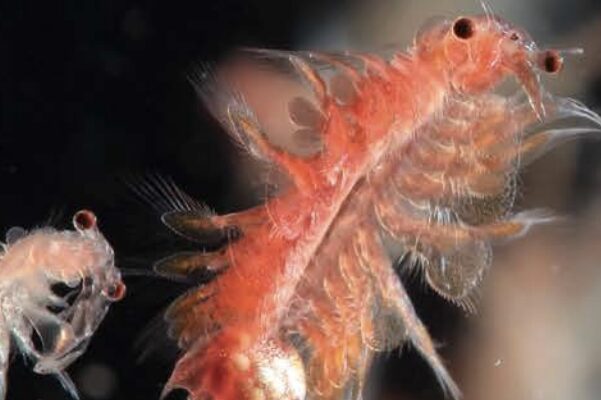
Growing demand for artemia could expose a major vulnerability in the aquaculture industry’s supply chain, with recent World Bank reports warning that continued reliance on wild harvests may not be enough to meet future hatchery demand.
The reports estimate that global demand for artemia cysts could exceed 5,000 metric tons (MT) by 2035, up from about 3,500 MT today. As a result, the market for artemia cysts is projected to grow from an estimated $350 million to $400 million annually to more than $500 million.
Meeting that demand would require an additional 1,000 to 1,500 MT of artemia cysts – roughly the output of another major hypersaline lake.
More than 90 percent of traded artemia cysts currently come from wild populations, with a significant share harvested from the Great Salt Lake in the United States. According to the reports, that leaves hatcheries vulnerable to fluctuations in availability, quality and price driven by changing salinity, water levels, climate conditions and natural resource management.
![Ad for [BSP]](https://www.globalseafood.org/wp-content/uploads/2025/07/BSP_B2B_2025_1050x125.jpg)
Despite advances in microdiets and other live feeds, artemia remains difficult to replace in larval production. Its nauplii can be supplied live, enriched with specific nutrients and adapted to the requirements of different species and developmental stages, making it an important feed source for shrimp hatcheries and many marine fish hatcheries.
To reduce reliance on wild harvests, the reports recommend expanding controlled artemia production, which currently accounts for less than 10 percent of the global cyst supply. One proposed approach is to produce artemia in solar saltworks and hypersaline ponds, where high salinity limits the presence of predators.
Artemia, the ‘magic powder’ fueling a multi-billion-dollar industry
According to the reports, the approach would not require freshwater and could allow the same site to produce salt, artemia cysts and artemia biomass.
The reports also identify Mediterranean countries with established saltworks and marine hatchery industries – including Spain, Italy, Greece, Croatia and Türkiye – as potential markets for expanded production. However, they note that further assessment would be needed to evaluate local conditions, production potential, investment requirements and environmental constraints before large-scale production could be developed.
The reports conclude that expanding controlled artemia production could diversify supply sources, reduce dependence on a small number of wild fisheries and strengthen supply security as global aquaculture continues to grow.
Now that you've reached the end of the article ...
… please consider supporting GSA’s mission to advance responsible seafood practices through education, advocacy and third-party assurances. The Advocate aims to document the evolution of responsible seafood practices and share the expansive knowledge of our vast network of contributors.
By becoming a Global Seafood Alliance member, you’re ensuring that all of the pre-competitive work we do through member benefits, resources and events can continue. Individual membership costs just $50 a year.
Not a GSA member? Join us.
Author

Related Posts
Aquafeeds
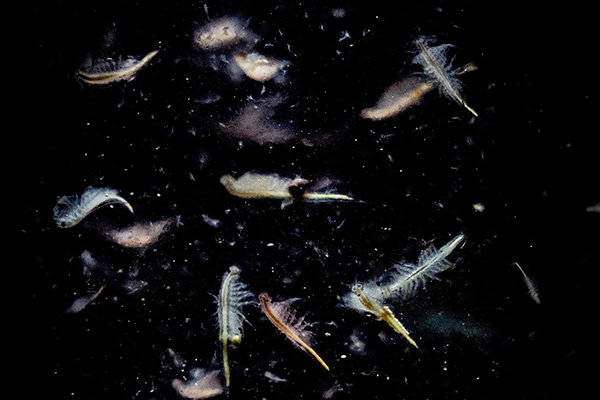
Artemia-farming startup looks to modular, land-based production model
Edinburgh startup farming artemia for aquafeeds partners with a Scottish innovation center to develop modular, land-based production systems.
Fisheries
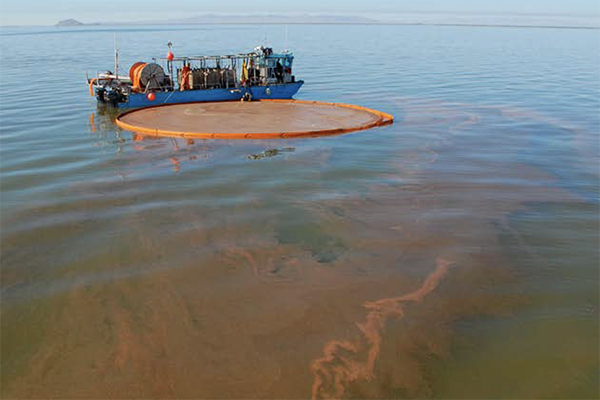
Great Salt Lake Artemia fishery becomes first U.S. inland fishery to earn MSC certification
Artemia cysts are stored and hatched for use as live feed for shrimp hatcheries and approximately 99 percent of the product is exported.
Aquafeeds
International Artemia Aquaculture Consortium may launch this year
Experts in artemia research are planning to launch an International Artemia Aquaculture Consortium later in 2022.
Responsibility
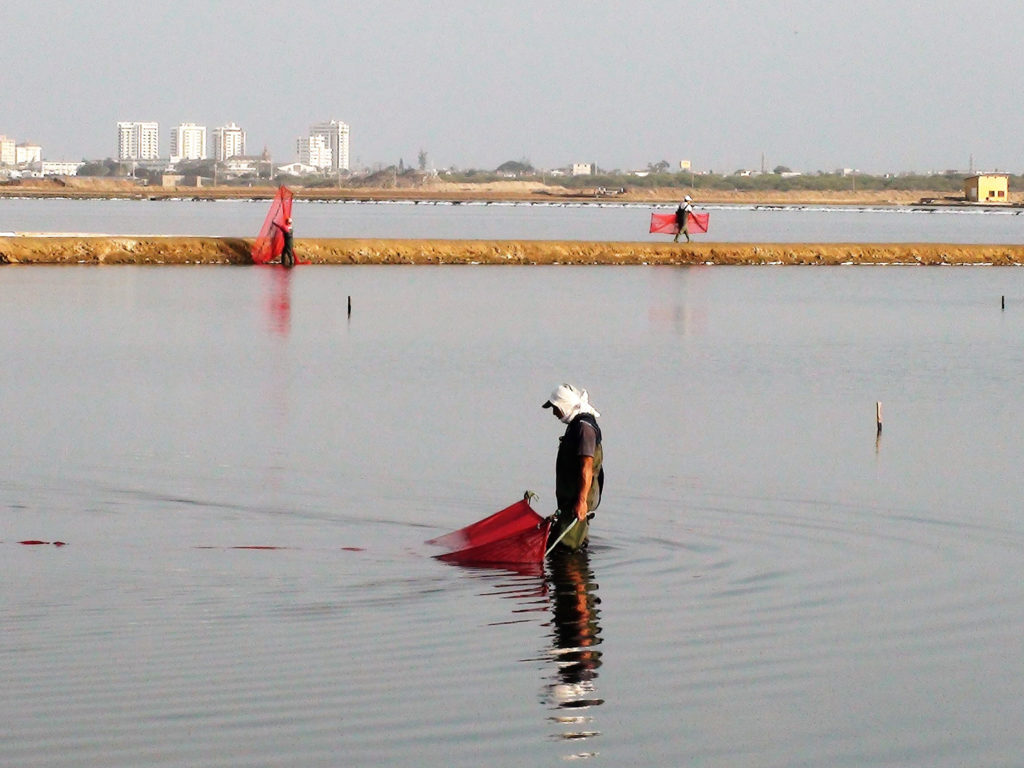
Inside the commercial production of artemia biomass in Ecuador
Author discusses the development of commercial production of artemia biomass in Peru and Ecuador as an important feed for maturation of shrimp broodstock in hatcheries.