


‘Women’s work keeps fisheries alive’: How women in Japan are slowly breaking barriers in a male-dominated industry

Women are reshaping fisheries in Japan, even as entrenched gender barriers limit their power and influence
The United Nations declared 2026 the International Year of the Woman Farmer (IYWF 2026). The year will spotlight the essential roles women play across agrifood systems, from production to trade, while often going unrecognized. Women farmers are central to food security, nutrition and economic resilience. The International Year of the Woman Farmer will raise awareness and promote actions to close the gender gaps and improve women’s livelihoods worldwide.
Women’s groups in rural fisheries throughout Japan have undergone a major transformation. Organizations that began in the 1950s focused on household welfare have evolved into drivers of economic innovation. Long confined to largely invisible, behind-the-scenes roles within patriarchal systems, women are now leading efforts to sustain their communities through a range of initiatives.
Despite their growing role, fisheries in Japan remain deeply male-dominated. Traditional gender norms continue to limit women’s opportunities, even as they help tackle some of the industry’s key challenges.
Kumi Soejima, an associate professor at Setsunan University in Osaka, has spent years studying how people in fishing communities find meaning and happiness in their work.
![Ad for [Aquademia]](https://www.globalseafood.org/wp-content/uploads/2025/07/aquademia_web2025_1050x125.gif)
“In addition to my research, I lead a network called Umi Hito Kurashi, or Sea, People, and Life,” Soejima told the Advocate. “It creates spaces for women in fishing communities to learn and connect. Through this work, I have seen how much women contribute – not only economically, but also in sustaining communities. Yet their contributions are often invisible or undervalued, which drives my research. There is an old saying – women on land, men at sea – and this idea remains strong. Women’s work keeps fisheries alive, but is rarely recognized.”
Historically, women were barred from fishing because of a belief that Funadama, the female guardian deity of fishing boats, would become jealous of their presence and cause rough seas or poor catches. While such superstitions have largely faded, traditional divisions of labor persist. Women are still more likely to work onshore, handling tasks such as sorting and shipping fish to wholesale markets, processing and sales, preparing equipment and cooking for community events. Although Soejima emphasizes that these roles are essential to the industry, and that without women’s labor, Japan’s fisheries could not function, these contributions are often overlooked.
One of the major challenges that Japanese women continue to face is exclusion from local Fisheries Cooperative Associations (FCAs), which manage coastal fishing rights, market catches and provide essential services to fishermen. Membership has traditionally been limited to men, excluding women from formal decision-making. While some cooperatives now allow women to join, this shift is often driven by financial pressures and shrinking membership rather than a genuine mindset change. Even when women are granted membership, their influence over decisions is often minimal, according to Soejima.
Another hurdle is the gap between national policy and local practice. Although Japan’s 2022 Fisheries Basic Plan calls for greater inclusion, it lacks an enforcement mechanism, leaving local cooperatives little incentive to change.
Mapping seafood workforce’s hidden gender gap: The challenge that ‘isn’t always visible’
Deep-rooted cultural perceptions also persist. Despite playing an indispensable role in the industry, women’s land-based work continues to be viewed as less valuable than the work of men at sea.
“Women also face challenges accessing financial resources,” said Katia Frangoudes, researcher at the University of Brest in France. “Often, they cannot borrow money from banks in their own name without a male guarantor. In addition, Japan’s income threshold of 1.3 million yen (U.S. $8,160) for primary activities pushes many women to limit their earnings to avoid taxes, restricting business growth and leadership development. This system stifles their potential and financial independence.”
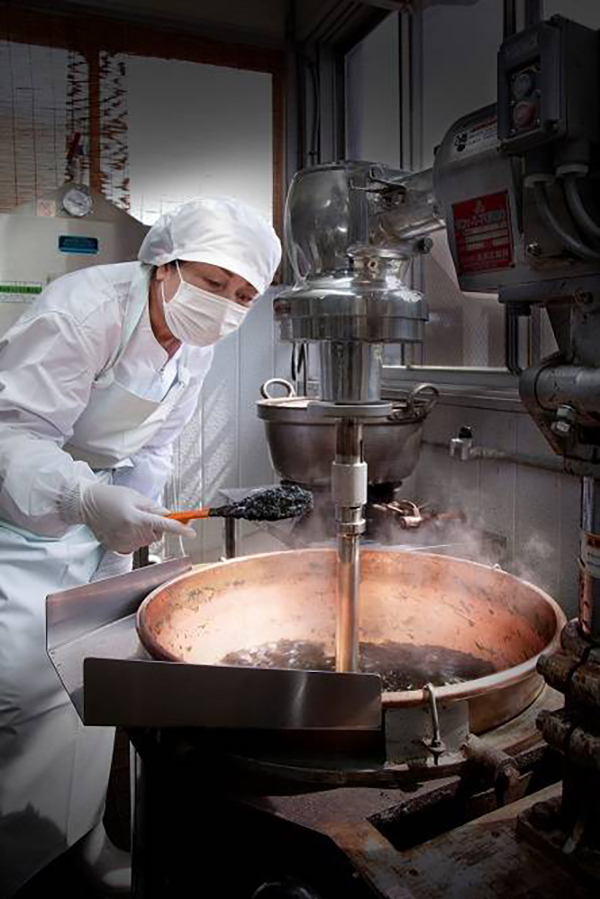
Despite these barriers, some women-led groups have thrived. The Nori Group, founded in 2010 by 52 women in a coastal community, aims to improve the reputation of locally produced laver seaweed. After early struggles with falling prices and declining membership, 17 women relaunched the group in 2013 as an independent entrepreneurial venture.
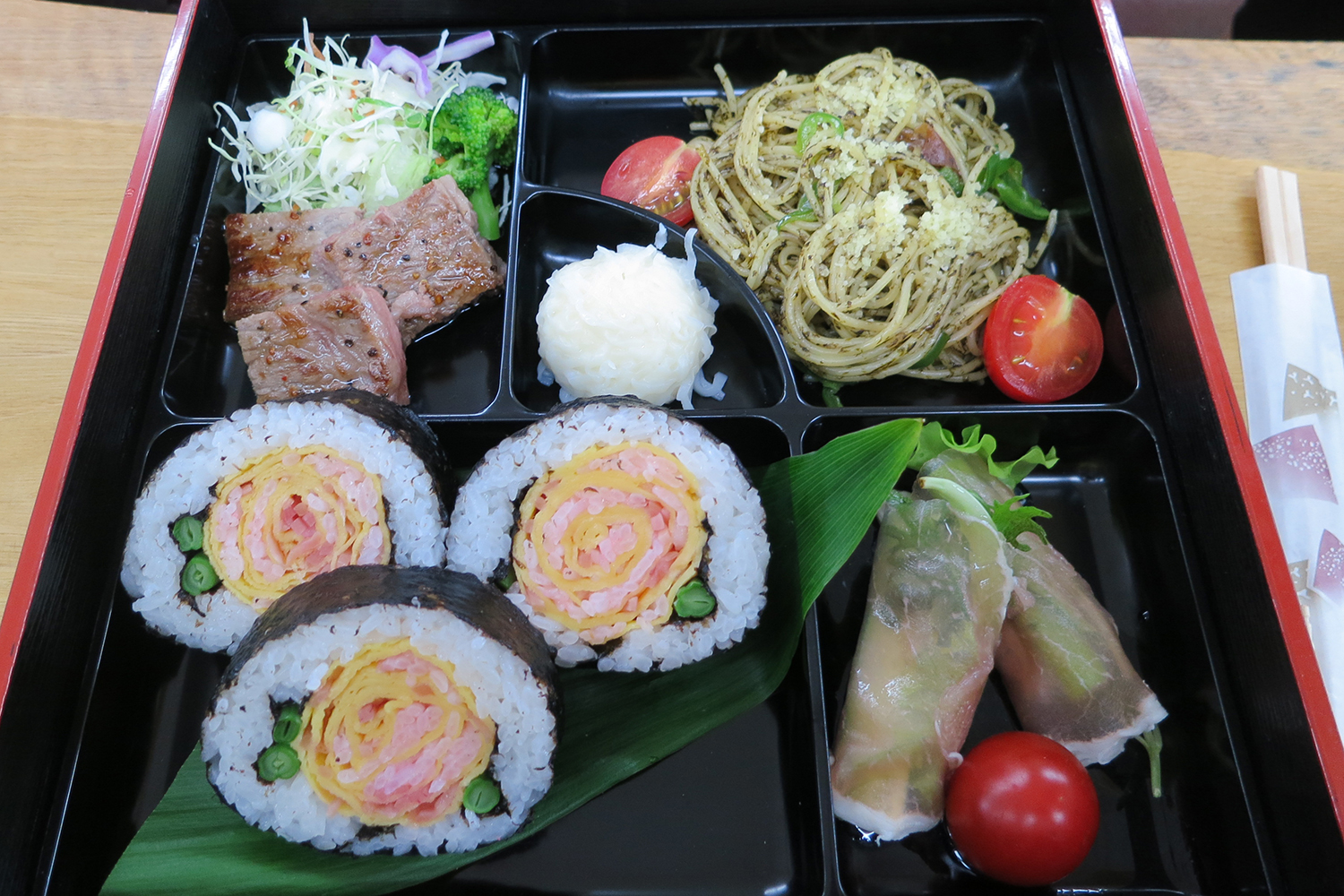
Now run by four women, the group has expanded from domestic sales to international exports. It has also earned recognition for its innovation and marketing, including efforts to promote seaweed paste as a versatile ingredient for dishes beyond traditional rice meals, such as pasta.
The Nori Group also overcame initial resistance from its local FCA, which opposed its use of cooperative facilities. However, as the group’s success grew, attitudes shifted and collaboration followed. Today, the group’s achievements have made a noticeable impact on the local fishing community, highlighting the influence and resilience of women-led businesses.
“FCAs have always been a male domain,” said Soejima. “Women were expected to support, not lead. When the Nori Group started using FCA facilities and generating income, it challenged male control over the cooperative’s resources and identity. Once the group became successful and financially stable, attitudes changed and collaboration followed. This shows that the resistance was about power, not facilities. Today, the group’s seaweed products are sold in Paris, proving that women in small fishing communities can dream big and succeed.”
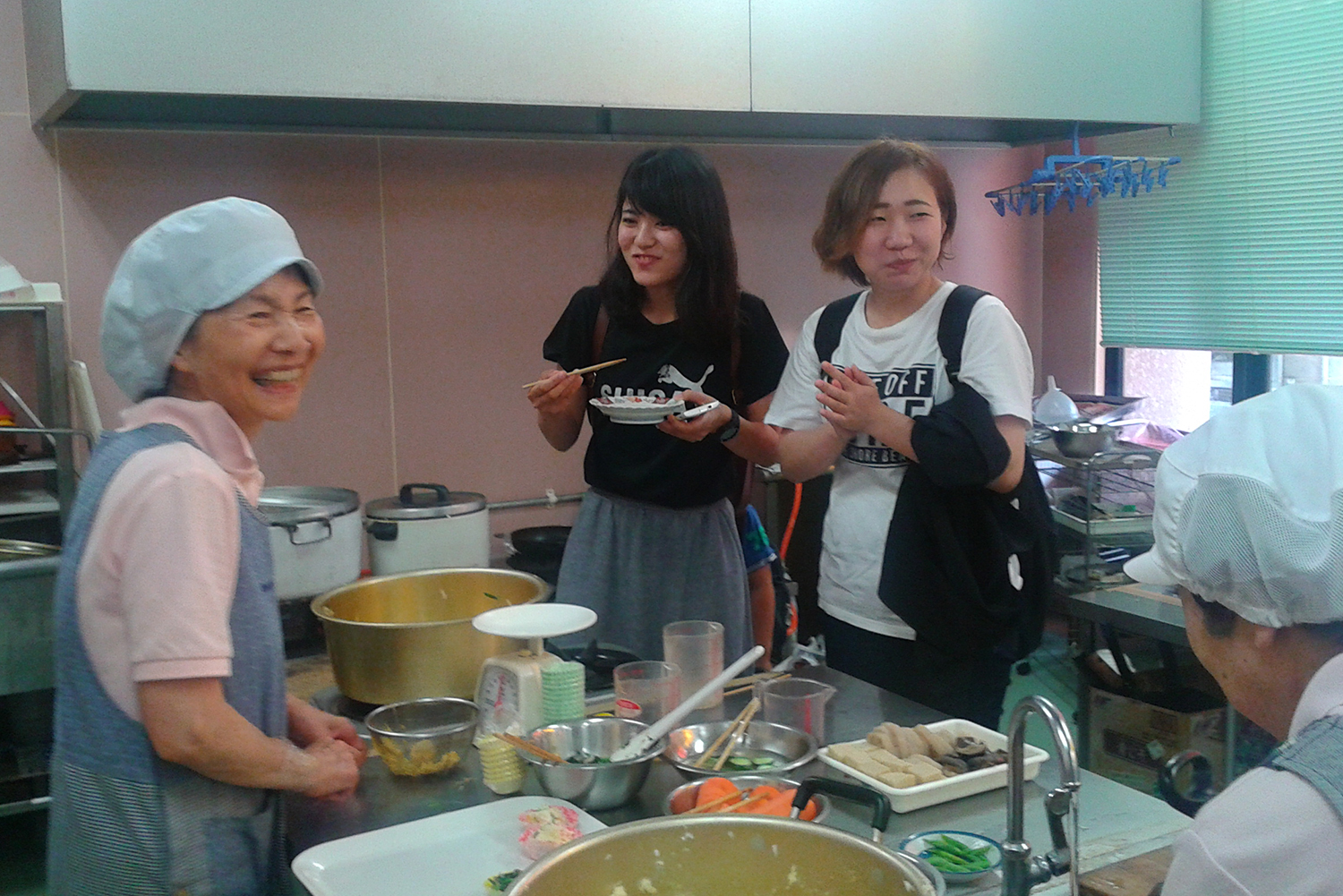
Another success story is the Fish Group. Originally linked to its FCA, the group started in 2006 to support local fishers and elderly residents. Noticing that these residents struggled with shopping and cooking, women started processing low-value fish and selling prepared meals, including lunch boxes delivered to the elderly, boosting incomes while supporting community wellbeing.
The group became an independent enterprise in 2007, with backing from 42 local investors and now employs 30 women. Best known for its horse mackerel dishes, it operates a popular restaurant and has received national recognition, including an award from the Minister of Agriculture, Forestry and Fisheries.
“Despite the group’s success, its leader faced resistance from the male-dominated FCA,” said Frangoudes. “Even bringing wealth and recognition to the community was not enough to overcome entrenched patriarchal barriers, highlighting deeper gender inequalities and power imbalances.”
Looking ahead, Soejima and Frangoudes hope that women’s contributions will drive structural changes in Japan’s policy and FCAs. Soejima says that the first step is collecting accurate data on women’s entrepreneurship to better understand their situation and track progress toward gender equality.
“In Japan, there are no official government statistics on women’s entrepreneurship groups in fishing communities,” she said. “Although data on rural entrepreneurship, including fisheries, was collected in the past, this has been discontinued. Current data is typically gathered through FCAs, but many women’s groups operate independently, making them easy to overlook.”
“We also need to assess how many women run their own businesses, consider their ages and examine the role of young men,” said Frangoudes. “Generational dynamics matter, as younger people, especially young men, are key to the future of fisheries but may have different priorities, so it’s important to understand how they, too, are shaping fishing communities.”
Soejima remains cautiously optimistic about the future of gender equality in Japan’s fisheries. While the growing female entrepreneurship signals progress, she believes deep-rooted cultural norms will take time to change. At the same time, Japan’s aging population and shrinking workforce have prompted the industry to pay greater attention to women, although this shift reflects an urgent need for labor more than a genuine commitment to gender equality.
“In other words, women are needed to fill workforce gaps but are not always welcomed as equal decision-makers,” said Soejima. “Even if more women speak up and demand change, there will be those who may prefer silent workers over active voices. Change driven by necessity alone will not achieve equality – a deeper shift in values and attitudes is essential.”
“However, some women are entering male-dominated spaces and starting to speak up and be heard,” said Frangoudes. “For example, we know a female shrimp farmer who is now part of Japan’s National Advisory Council on Fisheries. These small steps matter and can lead to bigger changes.”
Frangoudes is especially encouraged by the arrival of young people from rural communities: “They bring new ideas and education,” she said. “In one case, we know of a young woman who is teaching schoolchildren about eating fish and working with FCAs, and people are listening, showing that attitudes are shifting. This is especially clear in areas like northeast Japan, where communities had to adapt quickly to survive following the March 11th, 2011 disaster. With continued effort, women and younger generations can help shape a better future.”
Now that you've reached the end of the article ...
… please consider supporting GSA’s mission to advance responsible seafood practices through education, advocacy and third-party assurances. The Advocate aims to document the evolution of responsible seafood practices and share the expansive knowledge of our vast network of contributors.
By becoming a Global Seafood Alliance member, you’re ensuring that all of the pre-competitive work we do through member benefits, resources and events can continue. Individual membership costs just $50 a year.
Not a GSA member? Join us.
Author
-

Senior Writer Bonnie Waycott became interested in marine life after learning to snorkel on the Sea of Japan coast near her mother’s hometown. She specializes in aquaculture and fisheries with a particular focus on Japan, and has a keen interest in Tohoku’s aquaculture recovery following the 2011 Great East Japan Earthquake and Tsunami.
Related Posts
Intelligence
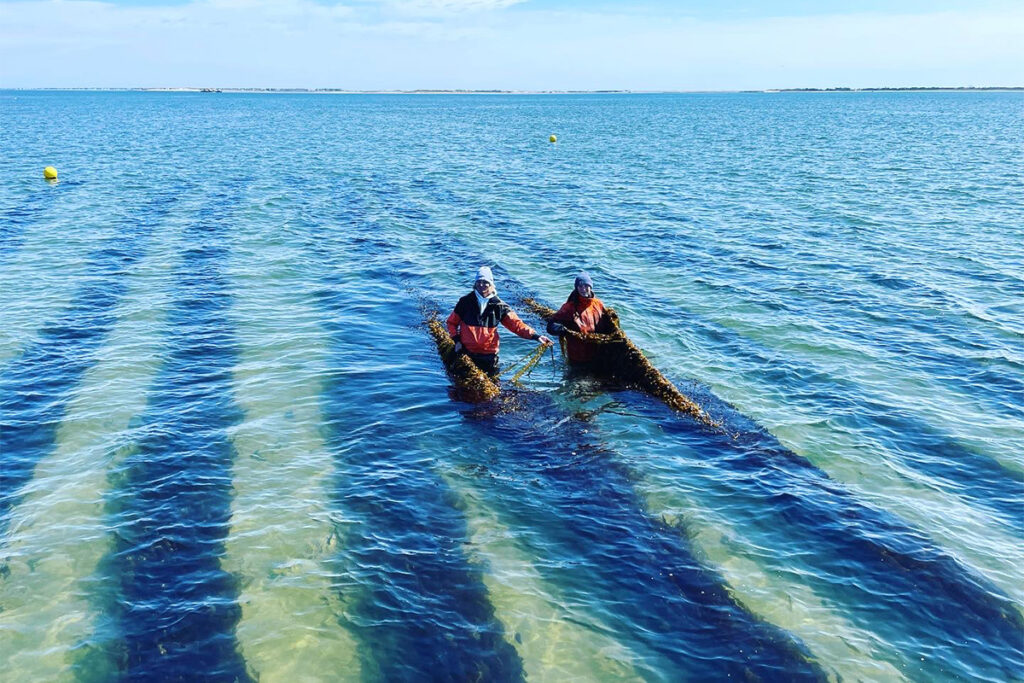
Meet the woman who’s pioneering commercial kelp farming in New York
Former professional basketball player Sue Wicks launches New York’s first commercial kelp farm, spearheading a growing industry for the state.
Fisheries
‘It’s been done for decades’ – How the upcoming Fukushima water release could impact Japan’s fishing industry
In Japan, discussions continue and concerns grow as authorities prepare for the Fukushima water release into the Pacific Ocean.
Intelligence
In Japan, tiger puffers find themselves in hot water
A technique to farm tiger puffers in hot spring water was invented to revitalize the town of Nasu-karasuyama and is now spreading to other areas of Japan.
Responsibility
Is a Japanese volcano offering us a sneak preview of ocean acidification?
Shikinejima is a scenic getaway for tourists but the seas surrounding its volcano offer a glimpse of how the ocean could behave in the future.