


Catch & Culture Review: Molecular adaptations to cold stress in aquatic organisms

A comparative analysis of fish, crustaceans and mollusks
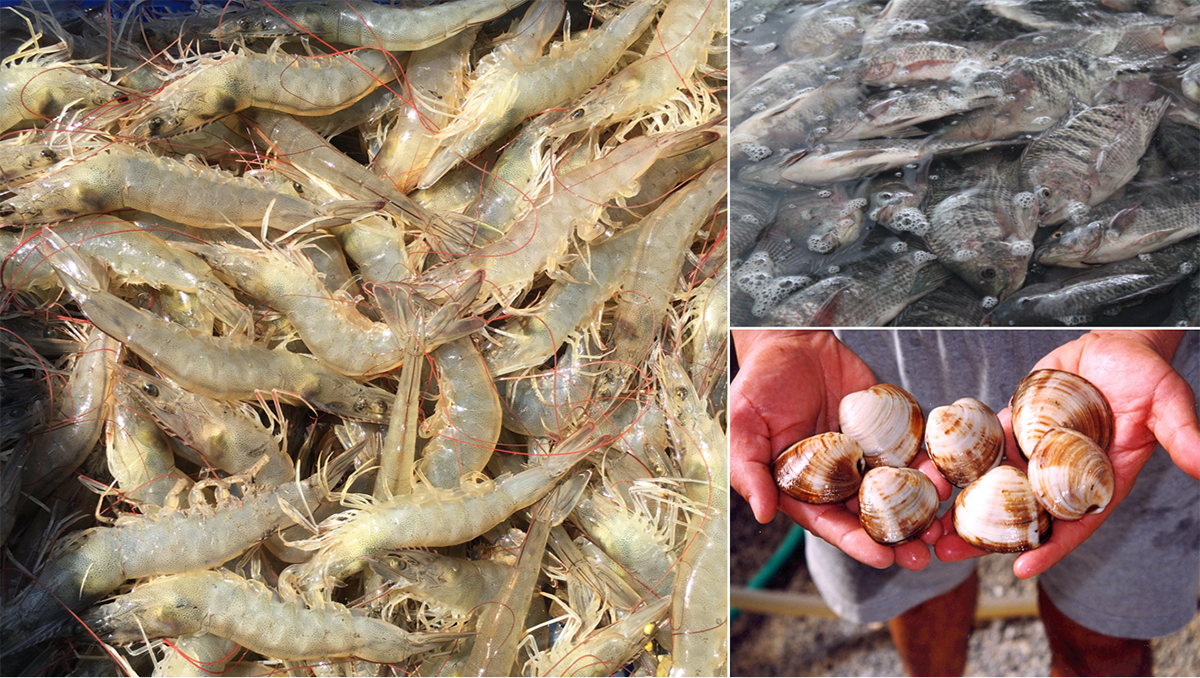
Cold weather is a major problem for sea creatures like fish, shrimp, crabs and shellfish. It can affect their chances of survival, slow their growth and disrupt how their bodies produce and use energy.
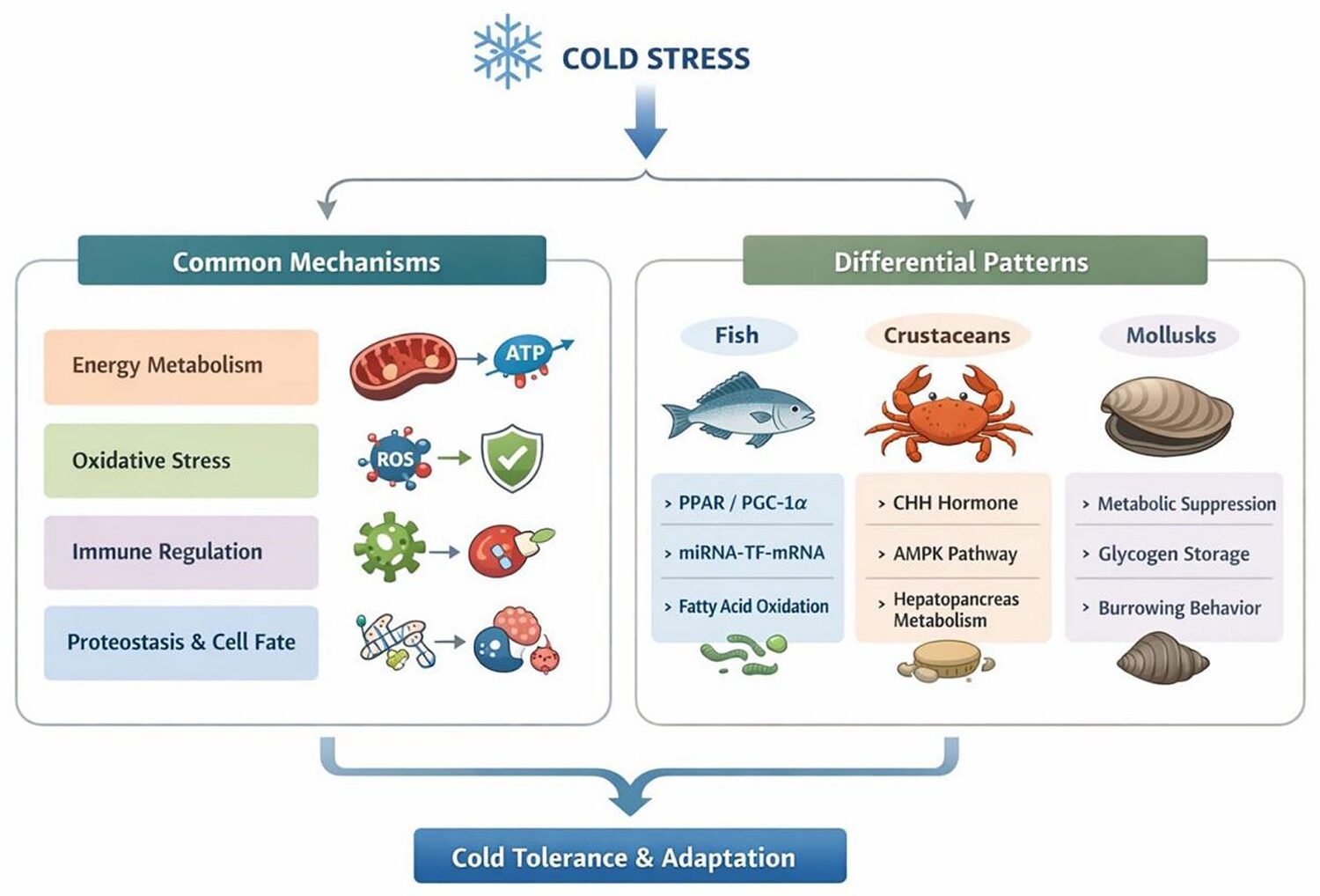
Most aquatic animals deal with cold in similar ways: They adjust how they use energy, control damage from harmful molecules, turn on their immune defenses and keep their proteins from falling apart.
Two key systems in their cells – called the AMPK system (the AMP-activated protein kinase is an energy sensor that regulates cellular metabolism) and the mTOR system (the mechanistic Target of Rapamycin is a key master switch inside cells, a nutrient and energy sensor, and one of the most important regulators of cell growth and metabolism in all living things, including fish, shrimp, and shellfish) – are especially important. They help balance energy use and clean out damaged parts of the cell when temperatures drop.
In this review, Yi Huang and co-workers in China examined how these animals fight back against the cold at the tiniest (molecular) level inside their cells. It shows both the ways they respond that are similar across different species and the unique actions each group uses to adapt.
![Ad for [membership]](https://www.globalseafood.org/wp-content/uploads/2025/07/membership_web2025_1050x125.gif)
Different groups of animals have their own special strategies. Fish improve their ability to burn fat for energy through certain pathways, which helps them stay active and survive colder water. Crustaceans (like shrimp and crabs) use a hormone called CHH along with the AMPK system to manage energy. Mollusks (like clams and oysters) slow down their overall metabolism and store extra sugar (glycogen) so they can last through cold periods.
These animals also carefully control which cells live or die. They use processes called autophagy (which recycles energy and cleans up the cell) and apoptosis (which safely removes damaged cells). Proteins like p53 and Cdk1 help manage this balance during long cold spells. At the same time, special “helper” proteins – such as heat shock protein 70 (HSP70) and the cell’s cleanup system called the ubiquitin-proteasome system – protect important proteins from being damaged by the cold.
Together, the molecular tools considered in this review allow fish, crustaceans and mollusks to survive and adapt to cold environments while keeping their cells healthy. Future research should combine studies at the molecular, whole-animal, and environmental levels to better understand cold tolerance and improve how these animals are grown in various aquaculture systems and environmental conditions as the climate continues to change.
Relevance of research findings to the industry
These findings are potentially quite significant for the aquaculture industry. Many farmed species – such as tilapia, shrimp and various shellfishes – suffer big losses when water temperatures suddenly drop, especially in winter or in regions with cold climates. Understanding the specific molecular pathways (like AMPK, mTOR and the fat-burning systems in fish) can help farmers and scientists develop better ways to protect these animals.
For example, knowing which pathways are most important in shrimp or fish could lead to selective breeding programs that produce cold-resistant strains. This would mean fewer deaths during cold snaps, faster growth even in cooler water, and more stable production. The insights on energy metabolism and stress protection could also help improve feed formulations or farm management practices, such as gradually acclimating animals to lower temperatures or using additives that support these natural defense systems.
Overall, this research provides a scientific foundation for making aquaculture more resilient to cold stress, which is becoming increasingly important as weather patterns become more unpredictable.
Perspectives
This review addresses how aquatic animals respond to cold stress using several basic, well-conserved systems in their bodies. These include shifting how they use energy, controlling harmful molecules (redox balance), adjusting their immune system, keeping proteins stable, and managing cell cleanup (autophagy) and controlled cell death (apoptosis). Several key molecular pathways appear again and again across different studies as important players in helping animals tolerate cold.
However, these responses are not identical for every group of animals. Fish tend to rely more on signals from their nervous system, changes in their mitochondria (the cell’s energy factories), adjustments in gene activity and how they use fats. Crustaceans like shrimp and crabs depend more on energy release from their digestive gland (hepatopancreas), a hormone called CHH, the AMPK pathway, and their basic immune defenses. Mollusks like clams and oysters often slow down their overall metabolism, use stored sugars and fats, hide or burrow to avoid the cold, and show signs of “remembering” past stress to better respond next time.
Because of these differences, the same cold-stress understanding cannot be applied to every species. The best way to interpret these mechanisms is to consider each animal’s normal temperature range, where it lives, how strong and how long the cold exposure is, and whether it has had time to get used to colder conditions beforehand.
Currently, most relevant knowledge comes from describing what happens to the animals’ bodies, genes and metabolism when they get cold. There still is limited proof of exactly which genes or pathways are truly responsible (causal evidence). Future research should use more direct tests – such as turning specific genes on or off, editing genes, using medicines to block or activate pathways, and running controlled cold-exposure experiments – to confirm the real roles of key mechanism players.
For practical use in aquaculture, cold-stress management should be planned according to the time frame of the risk. In the short term, farmers can focus on keeping temperatures stable, gradually getting animals used to cooler water and improving how they care for animals during winter. In the medium term, better nutrition can support energy use, antioxidant protection, cell membrane health and immune function. Over the long term, the most effective approach will be breeding programs that select for cold-tolerant animals, using genetic markers and genomic tools, along with confirming which genes can actually improve cold resistance.
Marine protein hydrolysates as alternatives to squid liver powder: Effects on growth, digestive function and health of Pacific white shrimp
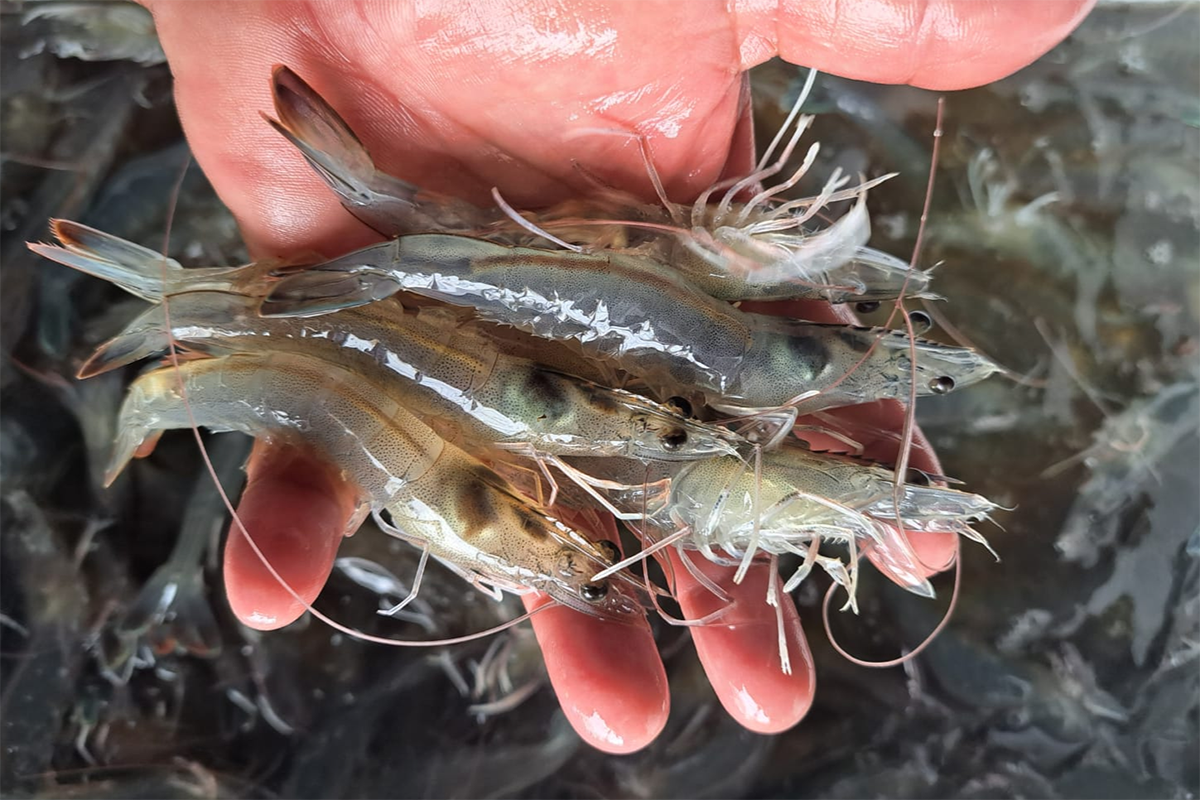
Marine protein ingredients, such as fishmeal, shrimp meal, and squid-based products, continue to play an important role in aquafeeds because of their excellent nutritional value and ability to stimulate feeding. Among these, squid-derived ingredients – including squid meal, squid liver powder and squid viscera meal – are commonly used as feeding stimulants to boost feed intake and improve growth in many aquatic species. Squid liver powder, made from squid processing by-products like heads and internal organs, has been used for many years in shrimp feeds to enhance feeding response and nutrient utilization. It remains widely available and is still commonly included in commercial aquafeeds today.
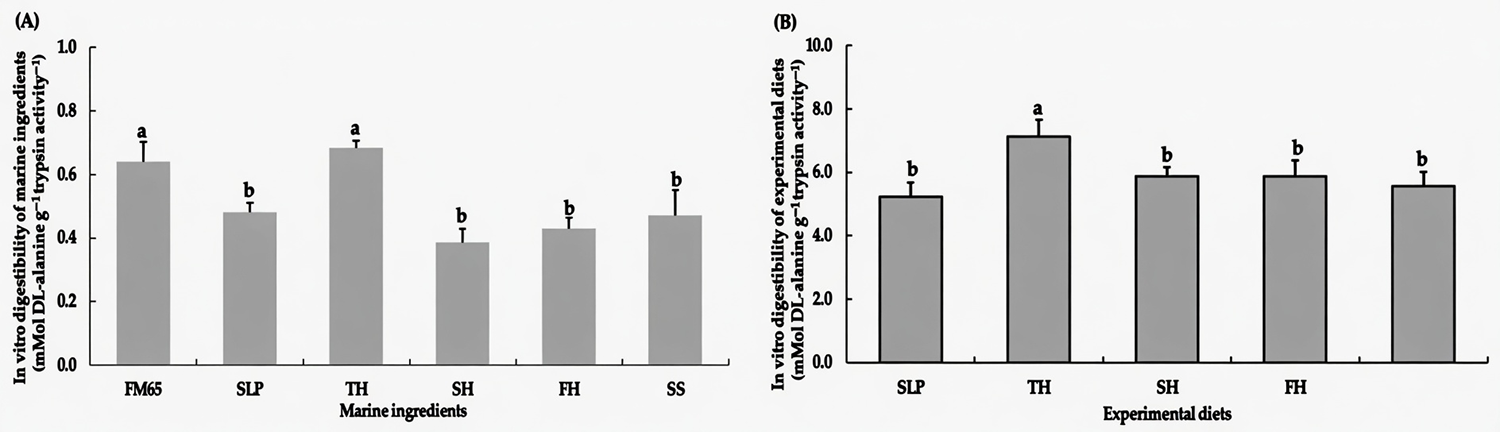
This research by Bundit Yuangsoi and colleagues at Khon Kaen University in Thailand reports on an eight-week study that tested whether different marine protein hydrolysates could replace part of the squid liver powder commonly used in feed for Pacific white shrimp (Penaeus vannamei). The control diet contained 5 percent squid liver powder. In other diets, researchers replaced 1 percent of the feed with one of four hydrolysates: tuna hydrolysate liquid, shrimp hydrolysate powder, fish hydrolysate powder, or salmon silage liquid. They adjusted the amount of soybean meal to keep the overall protein level the same in all diets.
Shrimp fed the diet with tuna hydrolysate demonstrated the best growth, with animals reaching a higher final weight with a faster growth rate compared to shrimp in the other groups. These shrimp also ate more feed and showed better digestion, especially in breaking down protein. Their digestive organs (hepatopancreas) had more healthy cells, and their intestines had taller villi, which helps with nutrient absorption. In addition, shrimp fed tuna hydrolysate had a higher survival rate than those fed fish hydrolysate or salmon silage. Their blood also showed stronger ability to fight off the harmful bacterium Vibrio parahaemolyticus.
Overall, among the options tested, adding just 1 percent tuna hydrolysate (on a dry matter basis) gave the most consistent benefits in growth, digestion and health. These results suggest that tuna hydrolysate can be an adequate partial replacement for squid liver powder in shrimp feed.
Relevance of research findings to the industry
These results can be very relevant for the shrimp farming industry, as Pacific white shrimp farming relies heavily on high-quality feed and feed costs often make up 50–70 percent of total production expenses. Squid liver powder is a popular ingredient because it improves feed palatability and provides good nutrition, but it is relatively expensive and its availability can fluctuate.
Being able to replace it with marine protein hydrolysates made from fish processing waste is important on multiple levels. First, it can help lower feed costs if the hydrolysates are cheaper or more consistently available. Second, it supports a more circular economy by turning what used to be waste into valuable feed ingredients. Third, the improved growth and health seen in some treatments could mean faster harvest cycles and lower mortality rates on farms – both of which directly increase profitability.
For feed manufacturers, this research provides practical data on which hydrolysates work best and at what inclusion levels. It also supports the growing trend toward more sustainable and functional feeds that not only promote growth but also strengthen shrimp immunity and stress resistance. This is especially important as farms face challenges from disease outbreaks and changing environmental conditions.
Perspectives
Future studies could evaluate these hydrolysates in larger-scale farm trials under real commercial conditions. It would also be useful to study longer-term effects on shrimp health and meat quality. Researchers could explore combining different hydrolysates or pairing them with other functional ingredients like probiotics or plant extracts to get even better results. Genetic or processing improvements in how hydrolysates are made could further increase their effectiveness. From an industry perspective, feed companies might start developing specialized “hydrolysate-based” shrimp feeds tailored for different growth stages or farming systems.
Overall, this research shows that marine protein hydrolysates are a promising, sustainable alternative to traditional squid liver powder. As the aquaculture industry continues to grow and faces pressure to become more environmentally responsible, replacing conventional ingredients with high-quality byproduct hydrolysates could become an increasingly important strategy for improving both productivity and sustainability in shrimp farming.
Advancements in sex reversal and determination technologies for aquacultured fish: Insights from 10 years of global research
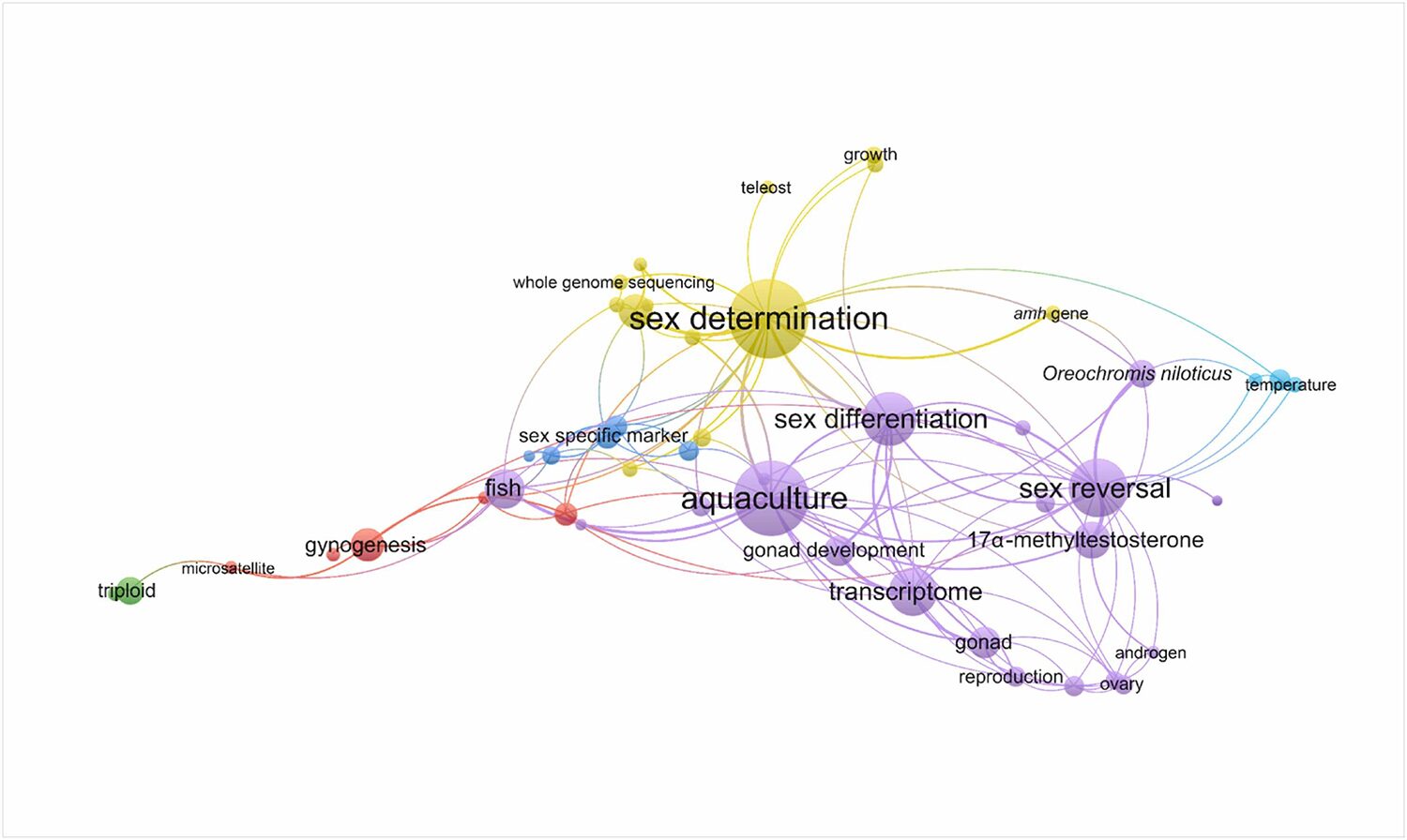
Sex control technologies are fundamental to modern aquaculture, as they enable the production of monosex populations, enhance growth performance and reduce reproductive losses. Although narrative reviews have addressed advances in specific techniques, a comprehensive scientometric analysis (a quantitative discipline that studies science through mathematical and statistical methods, analyzing both scientific output and the dynamics of research) of sex reversal and determination research in fish has not previously been conducted.
As concerns over sex reversal grow, mixed-sex tilapia farming gets a second look
This study by Yuzine Esa and colleagues at the Universiti Putra Malaysia in Malaysia provides a decade-long scientometric assessment (2015–2025) of 516 Scopus-indexed publications examining global trends, thematic evolution and highly cited works. While tilapia has remained the dominant model species, research has diversified to include catfish, carp, salmon, trout and emerging species such as grouper and cobia.
Thematic mapping reveals a clear shift from traditional hormone-dependent masculinization methods (e.g., 17α-methyltestosterone) toward more environmentally sustainable approaches, including temperature manipulation, hybridization, functional diets and genomic technologies. China leads global research output, reflecting its strong position in aquaculture production and investment in genomic resources, followed by notable contributions from Brazil, Japan and the United States, which demonstrate significant national commitments to aquaculture genomics and biotechnology.
The field has evolved into a genomics-enabled, multi-species and sustainability-oriented discipline. This analysis offers a valuable knowledge base to support the advancement of aquaculture productivity while promoting environmental responsibility.
Relevance of research findings to the industry
For fish farmers and hatchery operators, this study offers several practical insights. First, it confirms that producing monosex populations remains highly valuable for improving growth rates and reducing losses from early reproduction. However, the shift away from traditional hormones toward alternative methods is important for long-term sustainability. Many markets and regulators are becoming stricter about hormone use in food production, so having viable non-hormonal options (such as temperature manipulation or genomic selection) gives farmers more choices that can meet both production and regulatory requirements.
The diversification of research beyond tilapia is also relevant. As more species enter commercial farming, having reliable sex control methods for catfish, salmon, grouper and other species can help new and expanding farms improve efficiency. For example, all-male tilapia or all-female salmon populations can lead to faster growth and better feed conversion, directly improving profitability.
The strong role of China, along with contributions from Brazil, Japan and the US, suggests that knowledge and technology are spreading globally. Farmers in developing countries can potentially benefit from these advances through technology transfer, improved breeding programs and access to new genomic tools. At the same time, the move toward more sustainable methods supports the industry’s broader goals of reducing environmental impact and meeting consumer demand for responsibly produced seafood.
Perspectives
This overview provides a useful roadmap for both researchers and industry stakeholders. The clear trend toward genomic and environmentally friendly approaches indicates where future investment and research should focus. Developing practical, cost-effective and scalable non-hormonal methods will be especially important for wider adoption in commercial farming.
There are still challenges ahead. Many alternative techniques work well in research settings but need further refinement to become reliable and affordable at farm scale. In addition, different fish species have very different sex determination systems, so methods that work for tilapia may not transfer easily to other species.
For policymakers and funding agencies, the study highlights the value of supporting genomic research and international collaboration in aquaculture. Continued progress in this area can help the global aquaculture industry produce more food with fewer resources while addressing environmental and food safety concerns.
The field of sex control in fish aquaculture is maturing, moving from simple hormone applications toward smarter, science-based solutions that balance productivity with sustainability. This shift better positions the industry to meet growing global demand for seafood in a more responsible way.
Now that you've reached the end of the article ...
… please consider supporting GSA’s mission to advance responsible seafood practices through education, advocacy and third-party assurances. The Advocate aims to document the evolution of responsible seafood practices and share the expansive knowledge of our vast network of contributors.
By becoming a Global Seafood Alliance member, you’re ensuring that all of the pre-competitive work we do through member benefits, resources and events can continue. Individual membership costs just $50 a year.
Not a GSA member? Join us.
Author
-

Editor Emeritus
Related Posts
Health & Welfare
Artificial incubation, hormonal sex reversal promoted tilapia boom
The tilapia production boom results from technology that combines artificial egg incubation and monosex fry production using hormonal sex reversal.
Innovation & Investment
Advances in breeding technologies for fish color traits in aquaculture
A review of the genetic and molecular mechanisms causing fish pigmentation provides framework for aquaculture genetic engineering strategies.
Health & Welfare
Improving shellfish aquaculture through triploidy
Triploid bivalves have sparked worldwide interest since the 1980s because of their reported enhanced growth, meat content, flavor and disease resistance.
Innovation & Investment
AquaGen CEO: Genomics are transforming aquaculture
The CEO of AquaGen knew that the Norwegian research group’s work in genomics was key to the salmon industry’s future. And that was before she even worked there.