


MSC: United States is a global fisheries management leader

NGO says 90% of U.S. fisheries by volume meet global sustainable fishing standards
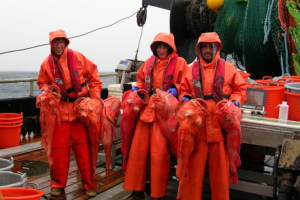
The vast majority of U.S. fisheries by volume – 90 percent – are certified by the Marine Stewardship Council (MSC) and meet rigorous requirements for environmentally sustainable fishing practices, the nonprofit organization announced earlier this week.
MSC sets criteria to ensure healthy fish stocks, minimal harmful impacts on marine ecosystems, and to promote effective and responsive fisheries management. The group noted that, as of last year, the United States had 62 species certified, more than 1,3oo MSC eco-labeled products available in the market, in all 50 states.
“MSC is proud to partner with U.S. fisheries that have a long-standing commitment to sustainability and the protection of our country’s marine resources,” said Laura McDearis, U.S. program director, Marine Stewardship Council.
“As demonstrated by the 90 percent of U.S. fishery landings by volume that are certified to MSC’s rigorous requirements for environmentally sustainable fishing, the leadership and great work of our U.S. partners can’t be understated. MSC certification validates U.S. fisheries’ dedication to ensuring the long-term health of our ocean and sets an example for countries around the globe to follow.”
![Ad for [BSP]](https://www.globalseafood.org/wp-content/uploads/2025/07/BSP_B2B_2025_1050x125.jpg)
Other notable MSC certified fisheries milestones in 2025 include the completion of long-term research projects in the Alaska salmon fishery, in collaboration with the Alaska Department of Fish & Game. In 2025 the Gulf of Mexico and Atlantic menhaden purse seine fisheries were recertified, with support from the National Marine Fisheries Service and the University of Southern Mississippi’s National Science Foundation-supported Science Center for Marine Fisheries, respectively.
In addition, several new fisheries entered the MSC program last year, including the U.S. Atlantic summer flounder and black sea bass trawl fishery. Other fisheries, such as Pacific hake and Louisiana blue crab are celebrating more than a decade of certification against the MSC Standard.
MSC certified seafood products continued to grow on the market, with an 8 percent increase in volume of MSC certified products in the U.S. from 2024 to 2025. MSC certified supply chain partners remain committed to environmental sustainability despite these challenging times, with retailers like Aldi, ShopRite and Walmart making MSC certified seafood accessible and easily identifiable through in-store signage and online messaging.
“At Wakefern, partnering with MSC has allowed us to create valuable communications tools that help consumers navigate the sustainable seafood options we offer at ShopRite and Price Rite stores,” said Alexandra Emery, Manager of Sustainability and Corporate Social Responsibility at Wakefern Food Corp. “Our Bowl & Basket and Wholesome Pantry frozen products, like wild caught scallops and flounder fillets, are also MSC certified, allowing consumers to shop sustainably and responsibly from our store brand product lines.”
Now that you've reached the end of the article ...
… please consider supporting GSA’s mission to advance responsible seafood practices through education, advocacy and third-party assurances. The Advocate aims to document the evolution of responsible seafood practices and share the expansive knowledge of our vast network of contributors.
By becoming a Global Seafood Alliance member, you’re ensuring that all of the pre-competitive work we do through member benefits, resources and events can continue. Individual membership costs just $50 a year.
Not a GSA member? Join us.
Author

Related Posts
Fisheries
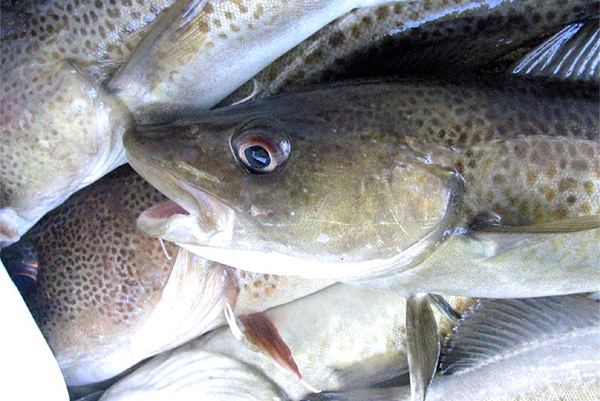
Canada lifts 30-year cod fishing ban off Newfoundland and Labrador to mixed reactions
Canada has lifted a 30-year fishing ban on Northern cod in Atlantic Canada, aiming to rebuild the fishery amid concerns about cod recovery.

Aquafeeds
Counterpoint: Marine ingredients are stable in volume, strategic in aquaculture nutrition
IFFO Director General Petter M. Johannessen says fishmeal and fish oil offer unmatched nutrition and benefits to fuel aquaculture’s growth trajectory.
Responsibility
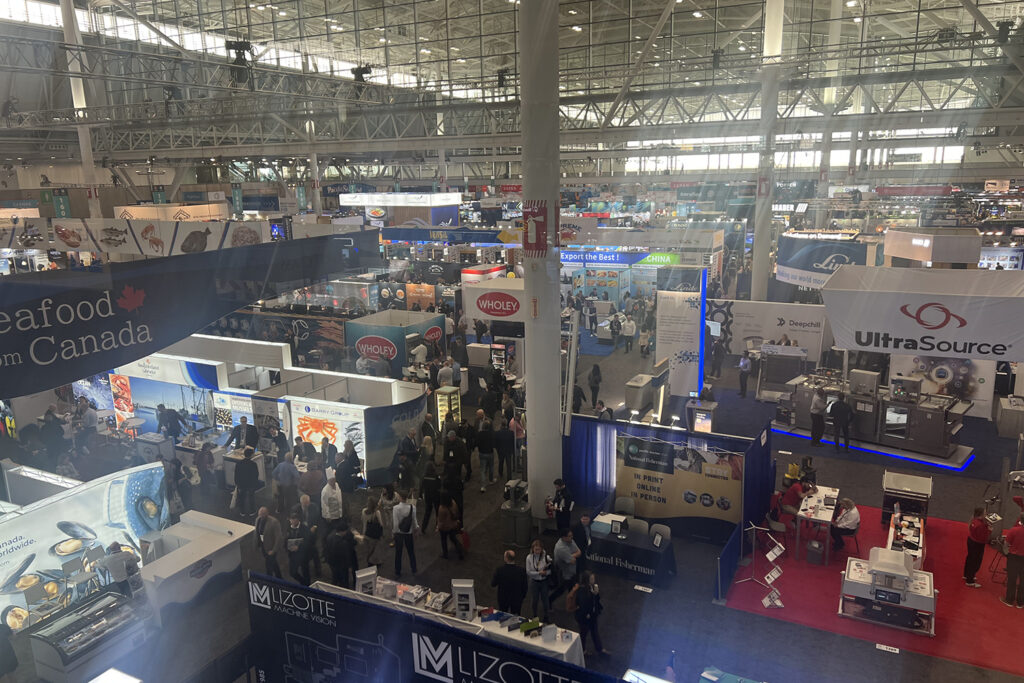
‘It’s not something new’: Addressing human rights due diligence in seafood sourcing at Seafood Expo North America
Fishermen, NGOs and industry representatives share tales of human rights due diligence work in seafood procurement at Seafood Expo North America.
Fisheries
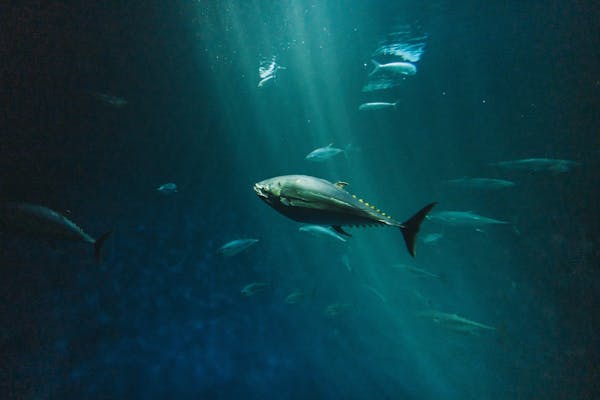
ISSF: Nearly 50 percent of tuna stocks are subject to overfishing
The latest ISSF report reveals that nearly half of major tuna stocks successfully avoid overfishing and meet target biomass levels.