


‘Landmark’ energy deal introduces floating solar panels to Chile’s salmon farms

Alotta Energy Chile’s deal with Trusal brings floating solar power to salmon farms, cutting diesel use and emissions in southern Chile
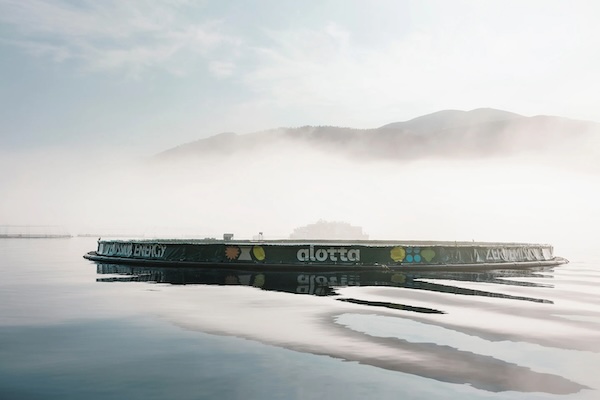
Alotta Energy Chile has entered into a long-term agreement to supply renewable energy to Trusal S.A., a subsidiary of Salmones Austral and one of Chile’s largest aquaculture companies.
The contract will provide clean power to Trusal’s fish farms in the Los Lagos Region, where much of the country’s salmon production is based.
The project, developed in partnership with AKVA group Chile, involves integrating Alotta’s floating solar technology into feeding barges and other farm operations, as the companies describe it as a step toward reducing the sector’s reliance on fossil fuels.
“This 15-year agreement is a milestone for Alotta Energy and a clear signal of the industry’s transition away from diesel dependency,” said Kari-Elin Hildre, CEO of Alotta Energy Chile. “Our energy-as-a-service model makes the switch to renewables simple: Alotta owns and operates the plants, and our customers only pay for the green kilowatt-hours we produce. For Trusal, this means cost savings, reduced emissions and a more sustainable energy mix. For us, it is a privilege to support one of Chile’s leading seafood producers in taking this important step.”
![Ad for [BSP]](https://www.globalseafood.org/wp-content/uploads/2025/07/BSP_B2B_2025_1050x125.jpg)
The agreement initially covers one floating solar energy plant, with the potential to expand to up to five additional units. Under the terms of the deal, Alotta Energy Chile will own and operate the solar installations, while Trusal has committed to purchasing renewable power over 15 years.
“At Salmones Austral, we maintain a firm commitment to the sustainable transformation of our production processes, actively seeking systems that contribute to reducing our CO₂ emissions,” said Claudio Melgarejo, CFO of Trusal. “This project has been developed within a collaborative and efficient framework between all parties.”
Solar Oysters and Blue Oyster Environmental launch solar-powered oyster production system
AKVA group Chile will oversee technical integration, maintenance and performance monitoring throughout the project’s lifecycle.
“This system in the Los Lagos region allows the site to run mainly on clean electricity during summer,” said Christian Schäfer, general manager of AKVA group Chile. “By delivering a turn-key floating solar hybrid system to Alotta Energy, we’ve created a setup that improves working conditions and significantly reduces Scope 1 CO₂ emissions – a strong example of how technology can drive sustainable aquaculture.”
The model enables aquaculture companies to reduce fuel costs, diesel consumption and carbon emissions without requiring upfront capital or exposing them to operational risks.
Beyond the environmental benefits, the companies said the shift from diesel to solar power will transform the daily experience at the farm sites. The feeding barges will be much quieter, creating a better working environment for staff, and likely a calmer, healthier environment for the fish.
Over the 15-year contract period, if all six plants are realized, Trusal will reduce its diesel consumption by approximately 10 million liters and avoid nearly 27,000 tons of carbon dioxide emissions – the equivalent of removing 6,000 cars from the road for a year, or planting more than 1.3 million trees.
Now that you've reached the end of the article ...
… please consider supporting GSA’s mission to advance responsible seafood practices through education, advocacy and third-party assurances. The Advocate aims to document the evolution of responsible seafood practices and share the expansive knowledge of our vast network of contributors.
By becoming a Global Seafood Alliance member, you’re ensuring that all of the pre-competitive work we do through member benefits, resources and events can continue. Individual membership costs just $50 a year.
Not a GSA member? Join us.
Author

Related Posts
Innovation & Investment
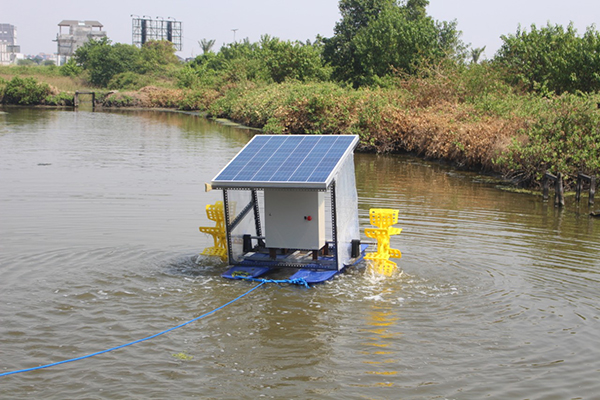
Automatic solar-powered aerator designed to advance shrimp farming in Indonesia
Researchers at Institut Teknologi Sepuluh Nopember have developed an automatic, solar-powered aerator for shrimp ponds in remote areas of Indonesia.
Responsibility
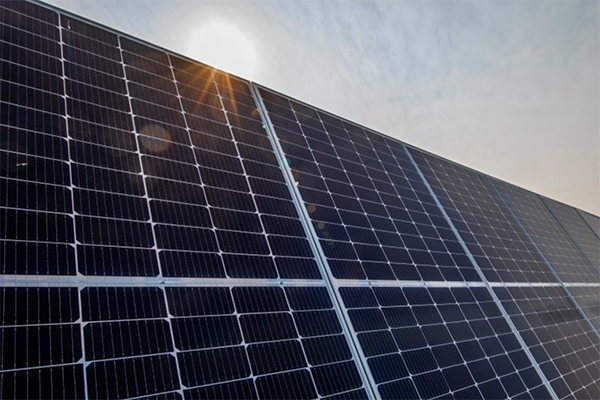
Solar energy-aquaculture facility planned in Taiwan
Lightsource bp and Green Rock Energy are collocating a solar energy project at an aquaculture facility in Taiwan.
Responsibility
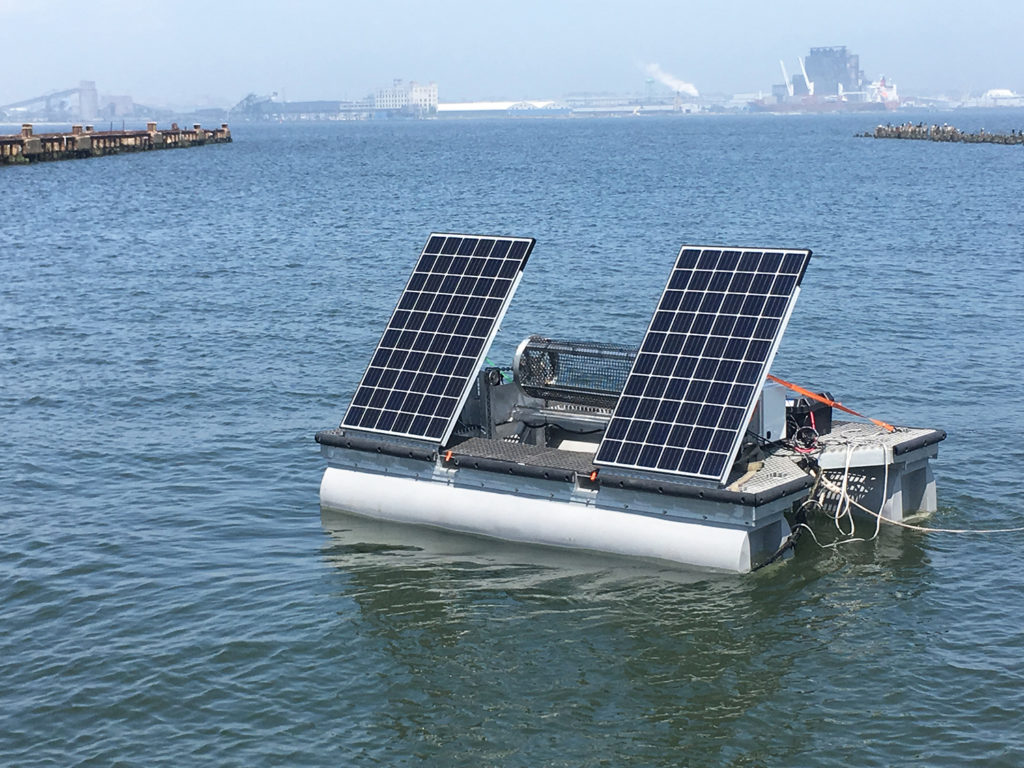
Here comes the sun: Oyster and algae growers harness solar power
A look at three aquaculture companies that are figuring out how to solve their production problems by using solar power in innovative ways.
Aquafeeds
A singular focus: Making single-cell proteins a fixture on the aquaculture feed ingredient menu
Fish nutrition expert Louise Buttle of dsm-firmenich talks about the potential of adding nutrition-packed single-cell proteins to aquafeeds.