


Study reveals dried fish’s vital role in nutrition and food security across Africa

Dried fish can provide key nutrients for millions across Africa, reducing malnutrition and improving food security, researchers say
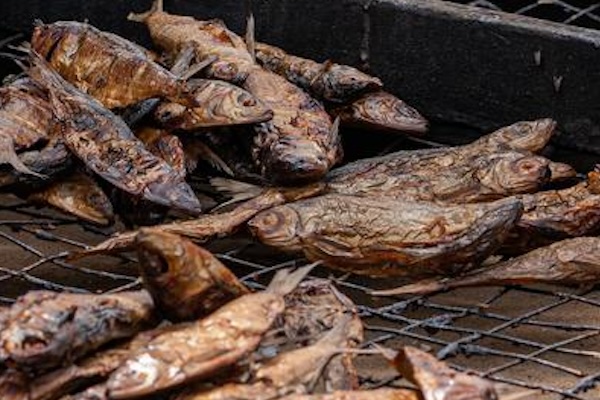
Dried fish could play a crucial role in addressing malnutrition and improving food security across Africa, provided the right policies are implemented, a recent study concludes.
The research, led by academics at Lancaster University, provides the first large-scale evidence of the essential nutrients in sun-dried and smoked fish across the continent. It was found that dried fish contributes significantly to the recommended nutrient intakes for young children and women, underscoring its potential importance for food security and nutrition.
“Fish caught in oceans, lakes and rivers across Africa and Asia are dried, smoked or fried, providing large supplies of affordable and nutritious foods that can be stored for long periods of time and easily transported,” Dr. James Robinson, a Leverhulme Research Fellow at Lancaster University’s Lancaster Environment Centre. “The widespread prevalence of highly-nutritious dried fish shows these foods play critical roles in food security and nutrition, particularly for vulnerable populations like women and children, households close to fisheries and even in places distant from fisheries.”
Dried fish are among the most affordable and accessible foods across the tropics, yet they have been largely overlooked in research. Because most are produced by small-scale fisheries and traded informally, little is known about how widely they are consumed or how nutritious they are.

“Until now, the role and scale of dried fish in supporting food security and nutrition have often been undervalued and hidden, limiting our understanding of how dried fish contribute to healthy diets,” said Robinson.
Eat the whole fish: A discussion of culture, economics and food waste solutions
Using data from the multinational Living Standards Measurement Study in Côte d’Ivoire, Ghana, Nigeria, Malawi, Tanzania and Uganda, researchers estimated that about one-third of households in these countries eat dried fish at least once a week. Dried fish were consumed by 54 percent more people than fresh fish and were found to be especially important in the diets of poorer households and those near coastlines or urban centers.
“Dried fish can fill nutrient gaps in seasonal seas, such as reef fish in Lakshadweep Islands that are caught and dried before the southwest monsoon,” said Dr. Rucha Karkarey, co-author and senior research associate at Lancaster University. “But here and across the tropics, policies are needed to protect supply for coastal communities against competing international markets.”
The researchers analyzed 19 commonly available dried fish species from East and West Africa and the Indian Ocean, including freshwater species from the African Great Lakes, such as the Lake Victoria sardine, and marine species like the Madeiran sardinella and rabbitfish.
They found that dried fish are rich in essential nutrients, with even small amounts contributing significantly to the recommended intakes for young children and women. Sun-drying and smoking were shown to concentrate nutrients into smaller, shelf-stable portions, making dried fish more nutrient-dense than fresh fish of the same size, particularly for minerals such as iron and zinc.
Small servings of dried fish can provide more than 15 percent of recommended daily intakes for calcium, iodine, iron, selenium, zinc and vitamins B12 and D. Nutrient levels varied by species: powdered and smoked marine fish contained more iron and omega-3 fatty acids, while freshwater species from Lake Victoria had higher calcium and zinc levels.
“High-quality analytical data on small, processed fish is presently lacking in most African food composition tables, which limits our ability to fully understand and utilize their nutritional potential,” said Marian Kjellevold, research professor at the Institute of Marine Research, Bergen. “This paper is an important step towards filling that gap, generating robust data that is essential for developing knowledge-based dietary guidelines and ensuring these nutrient-rich foods are used to improve public health.”
Based on these findings, the researchers say dried fish could help prevent micronutrient deficiencies in women and young children in Africa. Species rich in omega-3 fatty acids, iodine and selenium could be powdered and added to other foods to create nutrient-dense meals for infants and support malnutrition treatment programs.
“Many countries look towards biofortification of staple crops as a means of boosting micronutrient intakes,” said Dr. Shakuntala Thilsted, Senior Nutrition Expert at CGIAR, who delivered the opening keynote at the recent Responsible Seafood Summit. “The results presented in this paper show that these nutrients are concentrated in dried small fish. We must ensure that dried fish are included in food-based dietary guidelines. We must also use dried fish products in complementary feeding of young children, treatment of malnourished children, school feeding and food assistance programs.”
Now that you've reached the end of the article ...
… please consider supporting GSA’s mission to advance responsible seafood practices through education, advocacy and third-party assurances. The Advocate aims to document the evolution of responsible seafood practices and share the expansive knowledge of our vast network of contributors.
By becoming a Global Seafood Alliance member, you’re ensuring that all of the pre-competitive work we do through member benefits, resources and events can continue. Individual membership costs just $50 a year.
Not a GSA member? Join us.
Author

Related Posts
Innovation & Investment
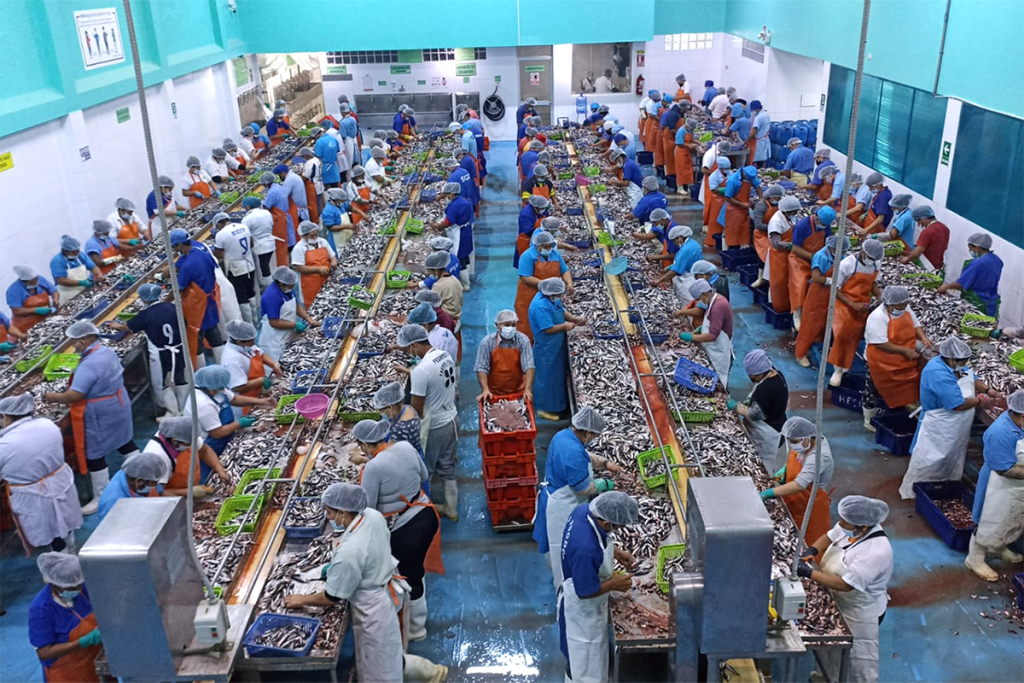
Responsible Seafood Innovation Awards: Anchoveta for all – Peru’s Fisheries Association for Human Consumption drives food security and better livelihoods for fishers
Peru’s Fisheries Association for Human Consumption promotes anchoveta consumption to aid food security, health and artisanal fishers’ livelihoods.

Responsibility
‘Europe must act now’: Coalition urges EU to adopt blue foods action plan to address food security risks
Fisheries and aquaculture groups urge European Commission to adopt a blue foods action plan to address production and food security risks.

Responsibility
Study: Overhauling global food systems with sustainable seafood may help boost food security and avert worsening land crisis
Scientists say sustainable seafood, less food waste and land restoration can boost food security and protect biodiversity.
Intelligence
Cambodia adds fish to national food security and nutrition strategy to aid health outcomes
Cambodia’s latest food security and nutrition strategy includes fish, aiming to promote healthy diets and tackle malnutrition nationwide.