


How Real-Time Monitoring Transforms Feed Efficiency in Precision Aquaculture

Precision aquaculture, powered by real-time monitoring systems, is revolutionizing how fish farmers approach feed management
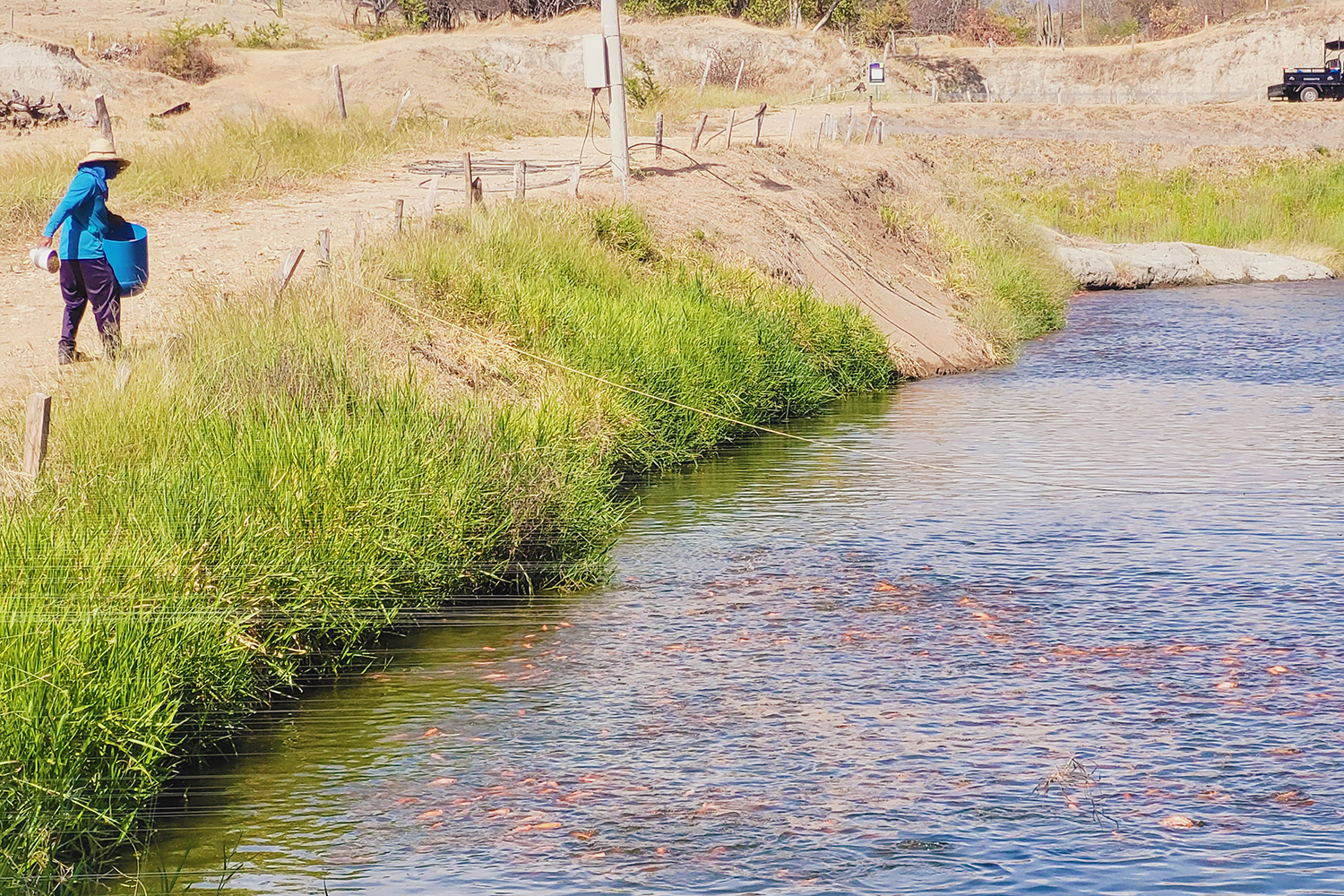
In today’s competitive aquaculture landscape, feed represents the single highest expense in raising fish, often accounting for 60 to 70 percent of total production costs. As global seafood demand continues to surge and operational expenses rise, maximizing feed efficiency has become critical for maintaining profitable operations. Precision aquaculture, powered by real-time monitoring systems, is revolutionizing how fish farmers approach feed management, dramatically reducing waste while optimizing growth rates.
The Challenge of Traditional Feed Management
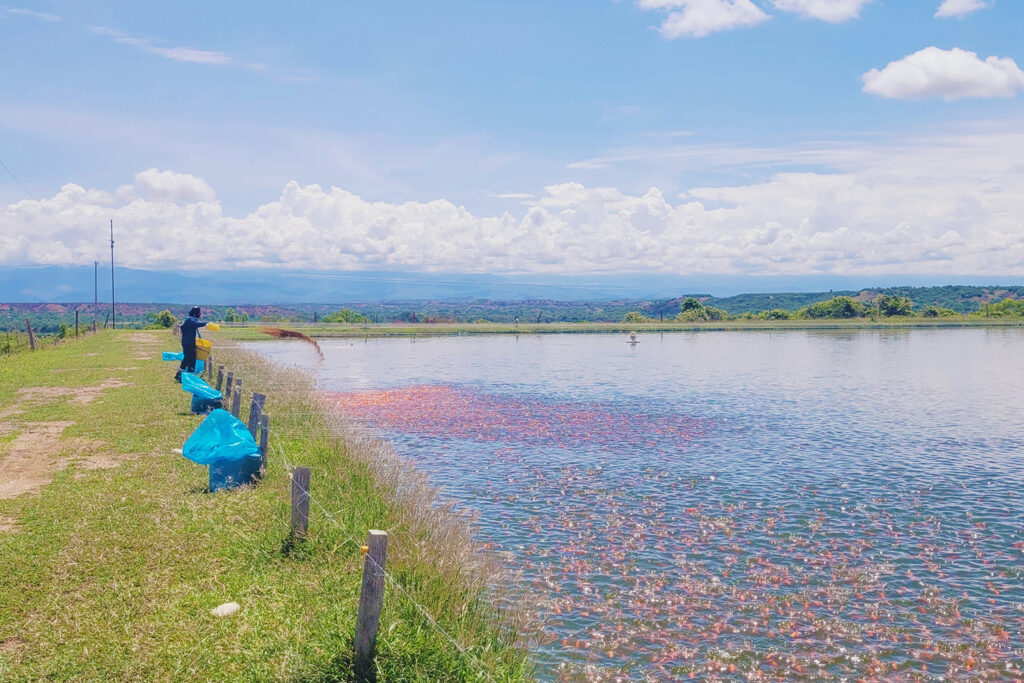
Traditional aquaculture operations have long relied on manual feeding schedules, pen and paper tracking, and visual observation to determine optimal feeding rates. This approach often leads to overfeeding, which not only wastes expensive feed but also degrades water quality and stresses fish populations.
“Feed is the single highest expense in raising a batch of fish, so having an understanding of this data made so easily available is a major advantage,” explains Tony Vaught, Aquaculture Consultant for AQUA Sightline. Without precise data on feed consumption patterns and fish behavior, farmers struggle to achieve optimal feed conversion ratios.
Real-Time Data: The Game Changer
Modern precision aquaculture systems like AQUA Sightline transform feed management through continuous monitoring and data analytics. By tracking feed conversion ratios in real-time, farmers can use predictive analytics to make immediate adjustments to feeding schedules rather than waiting weeks or months to assess effectiveness.
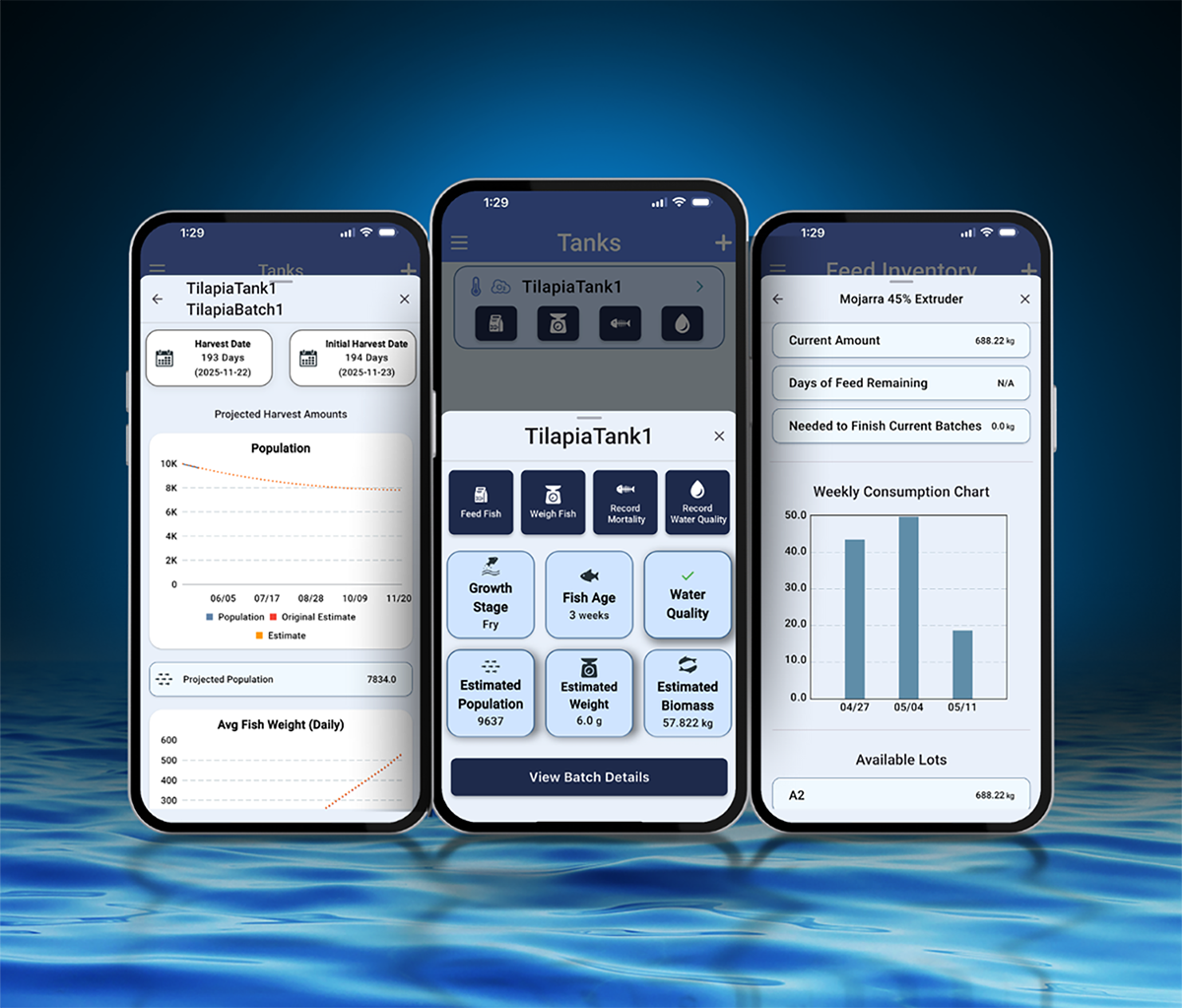
The platform’s feed inventory management capabilities allow farmers to track feed in and out, converting this data into cost-per-pound of fish growth metrics. This granular visibility enables farmers to optimize their feed conversion ratios and identify the most cost-effective feeding strategies for their specific operations.
Optimizing Feeding Schedules Through Environmental Intelligence
Effective feed management extends far beyond simply determining how much feed to distribute. Environmental conditions play a crucial role in fish appetite and feed absorption rates. AQUA Sightline’s comprehensive monitoring system tracks water temperature, dissolved oxygen levels, pH balance and other critical parameters that directly impact feeding efficiency.
When water quality parameters fall outside optimal ranges, fish stress levels increase and feed conversion efficiency drops dramatically. Real-time alerts ensure farmers can respond immediately to environmental changes, adjusting feeding schedules accordingly to maintain optimal conversion ratios.
AQUA Sightline continuously monitors the health of your farms in real-time and utilizes machine learning to detect anomalies 24/7. This proactive approach prevents costly feeding mistakes by mitigating or eliminating potential periods of environmental stress.
Environmental Impact: Beyond Cost Savings
Improved feed efficiency delivers significant environmental benefits beyond immediate cost savings. Excess feed that goes unconsumed becomes waste, contributing to water pollution and potentially triggering harmful algae blooms. These conditions can devastate fish populations and require expensive remediation efforts.
AQUA Sightline’s feed inventory and predictive analytics capabilities enable Just-in-Time ordering, helping producers keep feed supply finely tuned to actual consumption. By tracking feed inputs and outputs, monitoring biomass growth trends, and forecasting future feed demand based on historical and current environmental and growth data, the platform can signal the optimal moment to reorder: neither too early (which leads to costly storage and risk of spoilage) nor too late (which can interrupt feeding schedules or force emergency orders). This precision in matching supply with demand not only reduces waste and storage costs but also contributes to more efficient feed conversion and overall operational cost savings.
By optimizing feeding schedules through real-time monitoring, farmers dramatically reduce nutrient loading in their systems. This precision approach supports sustainable aquaculture practices while maintaining healthy growing environments for fish.
The platform’s ability to correlate water quality data with feed consumption patterns helps farmers identify when feed is not being consumed efficiently or when certain ingredients are passing through fish without absorption. This insight enables immediate adjustments to prevent environmental degradation.
AQUA Sightline’s feed inventory and predictive analytics capabilities enable Just-in-Time ordering, helping producers keep feed supply finely tuned to actual consumption.
The Technology Behind Better Feed Conversion Ratios
AQUA Sightline’s mobile-first approach puts sophisticated feed management tools directly in farmers’ hands wherever they are. The platform’s predictive analytics engine processes historical feeding data alongside current environmental conditions to recommend optimal feeding schedules and quantities.
Key features that drive improved feed conversion ratios include:
- Automated feeding recommendations based on fish behavior and environmental conditions
- Real-time alerts when feeding efficiency drops below predetermined thresholds
- Historical data analysis to identify optimal feeding patterns for specific growth stages
- Integration capabilities with existing sensor networks and feeding systems
Brandon Witte, CEO of Sightline Systems, emphasizes the platform’s accessibility: “AQUA Sightline puts the data you need at your fingertips and provides the real-time alerts you need to react quickly and make the best decisions for your bottom line every time.”
Measuring Success: Data-Driven Results
The transition to precision feed management delivers measurable improvements across multiple performance indicators. Farmers using data-driven feeding strategies typically see feed conversion ratios improve by 5 to 20 percent, as seen in studies by PubMed, ScienceDirect and other sources, directly translating to significant cost savings and improved profitability.
More importantly, these improvements are sustainable and compound over time. Each production cycle generates additional data that further refines feeding strategies, creating a continuous improvement cycle that drives long-term operational excellence.
The Future of Feed Efficiency
As aquaculture continues to grow to meet global seafood demand, feed efficiency will remain a critical competitive advantage. Real-time monitoring systems like AQUA Sightline are not just improving current operations; they’re establishing the foundation for the next generation of precision aquaculture.
“As the old adage goes, ‘time is money’ and this could not be truer in today’s aquaculture environment,” concludes Vaught. In an industry where margins can be tight and challenges are increasing, precision feed management powered by real-time monitoring makes the difference between struggling and thriving.
The integration of advanced monitoring technology with practical feed management represents a fundamental shift toward more sustainable, profitable aquaculture operations. For farmers ready to embrace this transformation, the tools and technology are available today.
Author
-
This article was prepared for Sightline Systems by Brandon Witte, CEO
Related Posts
From Our Sponsors
AI Advancements in Aquaculture: New Software Tools Meet Data Management Challenges
Sightline Systems' new AQUA Sightline 2.0 is latest wave of artificial intelligence applications designed specifically for aquaculture.