


Rabobank: Seafood industry faces ‘prolonged instability’ as tariffs, tensions reshape trade

RaboResearch finds tariffs and geopolitical tensions are upending seafood trade, driving up prices and reshaping supply chains worldwide
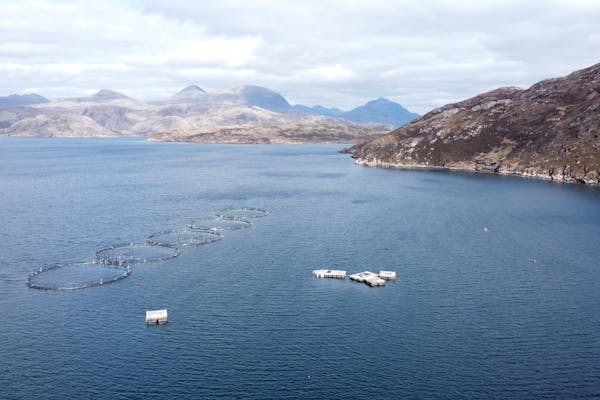
The global seafood industry is experiencing significant disruption as geopolitical tensions and trade interventions alter long-established supply chains, according to a recent report by RaboResearch. Producers and exporters in Asia have been affected by tariffs, sanctions and shifting alliances, while consumers in the United States (U.S.) and Europe are encountering higher prices and reduced availability of seafood staples.
As one of the most globally traded food sectors, seafood is particularly exposed to policy changes. The report noted that ongoing trade uncertainty is discouraging investment and complicating long-term planning. While growth in domestic markets may help offset some of the volatility, analysts said the outlook remains uncertain.
“The seafood industry is navigating a perfect storm of trade barriers, geopolitical risk and supply chain fragility,” said Gorjan Nikolik, senior global specialist–seafood at RaboResearch. “Strategic diversification – both in sourcing and market access – is no longer optional. It’s essential.”
Shrimp sector to face ‘acute disruption’ from the U.S.
U.S. tariffs of up to 50 percent are falling heavily on Asian exporters, especially in India, Vietnam and Indonesia. Shrimp, the most consumed seafood in the United States, is at the center of the dispute. With tariffs exceeding 40 percent unlikely to be absorbed by consumers, Nikolik said a decline in U.S. shrimp consumption appears inevitable.
![Ad for [membership]](https://www.globalseafood.org/wp-content/uploads/2025/07/membership_web2025_1050x125.gif)
The world’s most traded seafood sector is already experiencing disruption. Trade flows are being rerouted, creating oversupply in alternative markets and fueling price volatility worldwide, according to the report. These conditions, it noted, are testing the resilience of producers and exposing structural vulnerabilities in their reliance on a handful of key markets.
Salmon industry expected to struggle
Potential U.S. tariffs on Canadian salmon, currently under discussion, threaten to disrupt a market where nearly 90 percent of exports are directed south of the border. Even the prospect of duties ranging from 25 to 35 percent has slowed investment, raising concerns about higher prices and tighter supplies for consumers, according to the report.
Unlike shrimp, salmon has little flexibility in its supply. Production cycles stretch close to three years, and regulatory barriers limit the potential for rapid expansion. In the short term, industry responses are largely confined to reallocating trade flows and adjusting prices, measures that may soften but not eliminate the impact of new tariffs.
Freshwater species under pressure
Freshwater species, such as tilapia and pangasius, are under pressure too. Chinese tilapia, once a staple in the U.S. market, is now subject to a 75 percent tariff, effectively pricing it out of reach for American buyers. With few substitutes available, consumption in the United States is expected to decline sharply. The repercussions are not limited to U.S. consumers.
“We expect Chinese producers to redirect supply to domestic consumers or to alternative markets such as sub-Saharan Africa and Mexico,” said Nikolik, adding that these regions already have established local industries, and without protective tariffs, they may be vulnerable to a flood of low-cost imports.
Trade restrictions on Russian-origin fish have global repercussions
Groundfish markets are also caught in the crossfire of sanctions and tariffs. Russian-origin fish, once central to global supply, is now extremely restricted. The European Union and the United Kingdom (U.K.) have imposed tariffs, while the U.S. has enacted a full ban.
The resulting price inflation has placed significant strain on seafood processors and foodservice operators, particularly in the U.K., where the decline of fish and chip shops has accelerated. At the same time, rerouted Russian groundfish has been flooding Asian markets in the form of surimi, squeezing producers across the value chain, the report said.
Outlook remains uncertain
The report warns that trade barriers, tariffs and geopolitical tensions are pushing the seafood industry into a “prolonged period of instability.” While some markets may eventually regain balance, it concludes, the outlook hinges on diversification and domestic market growth — strategies that remain difficult in a cost-sensitive sector.
Read our coverage of past Rabobank reports.
Now that you've reached the end of the article ...
… please consider supporting GSA’s mission to advance responsible seafood practices through education, advocacy and third-party assurances. The Advocate aims to document the evolution of responsible seafood practices and share the expansive knowledge of our vast network of contributors.
By becoming a Global Seafood Alliance member, you’re ensuring that all of the pre-competitive work we do through member benefits, resources and events can continue. Individual membership costs just $50 a year.
Not a GSA member? Join us.
Author

Related Posts

Intelligence
Rabobank: Production growth for key aquaculture species in 2025; modest gains for salmon and shrimp
Global aquaculture is set for growth in 2025, led by finfish production, but trade and market risks remain a concern, according to Rabobank.
Innovation & Investment
Rabobank: Hybrid flow-through systems could transform salmon farming
A new Rabobank report highlights that hybrid flow-through systems could transform aquaculture, but require investment and regulatory support.

Intelligence
Aquaculture sector enters second half of 2024 with growing demand and normalizing costs: Rabobank
Rabobank predicts improved demand and cost stabilization for aquaculture, despite market uncertainty and ongoing biological challenges.
Intelligence
‘Mixed recovery’: Rabobank forecasts modest growth for shrimp industry in 2024, but global market challenges hinder bounce-back efforts
A new Rabobank report forecasts modest growth for the shrimp industry in 2024, but ongoing global market challenges hinder a full recovery.